
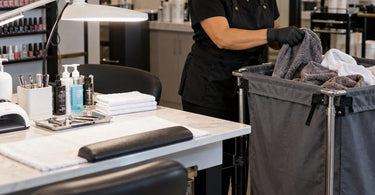
Simplify your path to better results by taking a closer look at one of the hardest-working, least-appreciated pieces of equipment in your spa or salon: the humble laundry cart. It rolls from treatment rooms to laundry areas, collects mountains of used towels, and somehow becomes the unofficial parking spot for everything nobody knows where to put. But underneath its practical exterior, that hardworking cart can become a surprisingly effective vehicle for cross-contamination. And unlike the dramatic treatment-room disasters that get everyone running, laundry cart hygiene problems usually develop quietly, one damp towel and one unwashed handle at a time.
For busy spas, salons, waxing studios, nail salons, and massage practices, understanding how laundry carts become contamination trouble spots is an important part of maintaining a cleaner, more organized operation. The good news? Preventing these problems rarely requires an expensive equipment overhaul. It starts with better separation, smarter routines, and a few thoughtful changes to how your team handles linens throughout the day.
Why Laundry Carts Are More Than Just Rolling Storage
A laundry cart might seem like a simple transportation tool, but its job places it directly in the path of used textiles, moisture, skin oils, product residue, and frequent employee contact. In a professional spa or salon, that combination deserves attention.
Consider a typical afternoon. A massage therapist removes oil-covered sheets from a treatment table. An esthetician collects facial towels. A waxing specialist adds used linens from a completed appointment. Meanwhile, someone from the salon floor drops in a towel damp with shampoo water.
Each item may carry different residues and microorganisms. When these textiles are piled together, pushed against shared cart surfaces, and handled repeatedly, opportunities for transferring contamination increase.
The cart itself does not magically create germs. The concern is that it can transfer existing contamination between textiles, employees, surfaces, and potentially clean supplies when proper boundaries are missing.
That is why laundry management belongs in the same operational conversation as disinfecting treatment tables, maintaining clean implements, and stocking appropriate Professional Cleaners & Disinfectants for Salons and Spas.
The Biggest Problem: Mixing Clean and Dirty Laundry
If there is one laundry cart habit worth correcting immediately, it is using the same uncleaned container for both soiled and freshly laundered linens.
Imagine spending time washing, drying, and folding beautiful white spa towels, only to place them inside a cart that transported used massage sheets earlier that morning. Congratulations! Your perfectly folded towels have just taken an unnecessary detour through yesterday's hygiene problems.
Even if the cart looks clean, its interior walls, handles, seams, and base may still have residue from previous loads.
The most reliable approach is to designate separate equipment for clean and used laundry. A simple color-coded system can make the distinction obvious to everyone, including new hires and employees helping in unfamiliar treatment rooms.
For example, one cart can be assigned exclusively to used linens, while another is reserved for clean towels and sheets. Clearly visible labels and consistent storage locations reinforce the routine.
If space or equipment limitations require a cart to serve both purposes, it should be thoroughly cleaned and disinfected with a product appropriate for the surface, following label directions, before being used for clean laundry. Fresh, appropriate liners can provide an additional barrier but do not replace needed cleaning.
Damp Towels Turn a Small Problem Into a Bigger One
Moisture is another reason laundry carts deserve more attention than they usually receive.
Used facial towels, damp pedicure towels, massage linens, and shampoo towels often enter laundry containers while still wet. When damp fabrics remain compressed in a poorly ventilated environment, they can develop unpleasant odors and create conditions favorable to microbial growth.
Warm treatment rooms and tightly packed containers can make the situation worse. Add a few towels carrying massage oil or body treatment residue, and the resulting laundry pile can become an impressive collection of things nobody wants to smell.
To reduce these problems, establish a schedule for moving used linens to the laundry area instead of allowing them to accumulate throughout an entire shift. Avoid overfilling bags or carts, and do not leave damp towels sitting overnight.
For particularly wet items, use a designated collection procedure that prevents leakage and allows prompt laundering. Never assume that a lightly damp towel is harmless simply because it looks clean.
Maintaining an adequate inventory of High-Quality Towels also helps prevent employees from delaying laundry collection because clean replacements are running low.
Cart Handles Are High-Touch Surfaces Nobody Thinks About
Think about how many different employees touch the same laundry cart during a normal workday.
The massage therapist pushes it into the hallway. The spa assistant moves it toward the laundry room. A hairstylist grabs the handle while clearing used towels. Someone else pushes it aside to reach a storage shelf.
That handle has officially become one of the most popular meeting places in the building, and unfortunately, nobody invited the cleaning supplies.
Cart handles can pick up microorganisms and residues from hands or gloves that have contacted used linens. When employees subsequently touch door handles, supply cabinets, phones, or clean towels without appropriate hand hygiene, contamination can spread beyond the laundry area.
Include handles, push bars, lids, and frequently touched edges in the routine cleaning and disinfection schedule. Establish additional cleaning when visible soil or spills occur.
Employees should also perform appropriate hand hygiene after handling used laundry and before handling clean linens. Gloves, when required for the task, must be used correctly and removed before moving into clean activities. Wearing the same contaminated gloves from the dirty laundry cart to the clean linen shelf defeats the entire purpose.
The Hidden Trouble Spots Inside the Cart
Large, smooth surfaces are relatively easy to notice and wipe down. The smaller areas are where cleaning routines often become inconsistent.
Pay particular attention to the bottom corners, interior seams, wheel assemblies, handles, removable liners, and any areas where liquid or lint can collect.
Fabric laundry bags can trap hair, lint, and product residue. Plastic carts may develop scratches that are difficult to clean. Metal carts with damaged finishes can accumulate debris around rough or deteriorating areas.
Even the wheels deserve an occasional inspection. Rolling through damp laundry rooms and busy salon corridors exposes them to dirt and debris that may be carried into cleaner spaces.
Choose laundry carts made from durable, cleanable materials, and inspect them regularly for cracks, damaged coatings, loose components, and worn liners. Replace parts or equipment that can no longer be cleaned effectively.
For additional organizational supplies, explore Spa Essentials for Professionals and Must-Have Supplies for Salon & Spa Business Success.
Why Laundry Room Layout Matters
Cross-contamination prevention is not only about the cart. It is also about where that cart travels.
In a small spa, the laundry area may share space with storage shelves, cleaning products, employee supplies, and spare treatment linens. Without a defined workflow, employees can accidentally place dirty laundry beside freshly folded sheets.
A better arrangement separates the handling of used textiles from clean linen storage and folding activities.
Ideally, the workflow moves in one direction: used linen collection, transportation to the laundry area, washing, complete drying, folding, and protected clean storage.
Keep designated dirty carts away from clean linen shelving. Avoid setting laundry bags on treatment counters or other surfaces used to prepare supplies for clients.
Clean towels and Salon & Spa Bedding should remain protected from dust, splashes, used textiles, and general traffic until they are needed.
In a compact business, you may not have the luxury of separate laundry rooms. Physical barriers, dedicated shelving, labeled containers, and clear handling procedures can still create meaningful separation within a shared space.
Overfilled Laundry Carts Create Avoidable Risks
There is something strangely tempting about adding just one more towel to an already overflowing laundry cart.
One becomes five. Five becomes twelve. Eventually, the cart resembles a rolling mountain of terrycloth with wheels attached.
Overfilled carts make it harder to contain used laundry properly. Towels may fall onto floors, rub against surrounding surfaces, or come into contact with employees' clothing during transport.
Heavy loads can also strain cart liners, damage wheels, and increase the physical effort needed to move laundry safely.
Instead of treating cart capacity as a personal challenge, establish a clear fill limit. Train employees to replace full bags or transport loads before textiles rise above the intended containment area.
Keep collection bags readily available, and match cart capacity to the volume of laundry generated during peak appointment periods.
A busy massage studio with multiple treatment rooms may need a different collection schedule than a small esthetics suite. The right system is the one that contains used linens securely without creating an endless bottleneck.
How to Clean and Disinfect Laundry Carts Properly
Effective cart maintenance requires more than an occasional spray-and-go performance between appointments.
Begin by removing laundry and disposable liners. Clear away visible lint, hair, and debris. Clean surfaces using a compatible cleaning product, then apply an appropriate disinfectant according to its label when disinfection is indicated.
Pay close attention to the required contact time. Many disinfectants must remain visibly wet for a specified period to work as intended. Immediately wiping the product dry may undermine its effectiveness.
Check product instructions for compatible surfaces, dilution requirements, safety precautions, and whether rinsing is necessary. A product suitable for a hard plastic container may not be appropriate for a particular fabric liner or damaged metal finish.
Routine maintenance should include the interior, exterior, handles, lids, and other frequently contacted areas. Establish a regular schedule based on cart use, with prompt cleaning after spills, leakage, or visible contamination.
If a reusable fabric liner is used, launder it according to the manufacturer's instructions and the business's handling procedures. Disposable liners should be replaced when appropriate rather than reused until they become their own science experiment.
Stocking suitable disinfectants, cleaning wipes, and Protective Gloves & Masks for Salon and Spa Professionals helps employees perform these tasks consistently.
Special Considerations for Waxing, Massage, and Nail Services
Not every department generates the same type of laundry, and those differences matter when organizing collection and cleaning procedures.
Massage rooms: Sheets and towels may contain massage oils, lotions, and body treatment products. These residues can transfer onto carts and liners, while oily textiles may require special laundering precautions. Follow detergent, fabric, and equipment instructions, including safe drying procedures for oil-contaminated fabrics.
Waxing studios: Used towels may carry wax residue, skin oils, and pre- or post-treatment products. Keep soiled textiles contained, and do not place used laundry beside clean Waxing Supplies for Professionals.
Nail salons: Towels may collect nail dust, skin debris, and service-product residue. Follow applicable chemical handling procedures, and never place solvent-soaked or otherwise hazardous materials into ordinary laundry without an appropriate safety assessment. Disposable items should follow their designated disposal procedures.
Hair salons: Shampoo towels and color-service linens can carry water, hair, and chemical residues. Collection procedures should prevent leakage and avoid transferring residues to clean fabrics or storage surfaces. Follow product safety information and appropriate laundering guidance for chemically contaminated textiles.
Facial rooms: Small towels and washcloths can accumulate skincare products and skin debris. Used items should move directly into designated collection containers rather than resting on clean treatment surfaces.
If textiles are contaminated with blood or other potentially infectious materials, follow applicable OSHA bloodborne pathogen requirements, including appropriate containment, protective equipment, and labeling where required. Local cosmetology, barbering, and public health regulations may also establish specific linen handling requirements.
Build a Laundry Workflow Your Entire Team Can Follow
A hygiene procedure only works when employees can realistically follow it during their busiest hours.
Rather than creating a complicated manual nobody reads, start with a straightforward laundry system built around a few consistent expectations.
Step 1: Collect used linens immediately. Place used towels and sheets into the designated container after each service. Avoid temporarily leaving them on counters, stools, or treatment equipment.
Step 2: Keep dirty and clean supplies separate. Use clearly identified carts, containers, and storage areas. Do not interchange equipment without completing the required cleaning process.
Step 3: Minimize unnecessary handling. Avoid shaking used linens or repeatedly sorting them in treatment areas. Handle textiles gently and transport them in appropriate containment.
Step 4: Transport laundry before carts overflow. Assign collection times or identify fill limits that trigger a laundry run.
Step 5: Clean carts and liners consistently. Establish who is responsible, which products are approved, and when cleaning must occur.
Step 6: Protect freshly laundered textiles. Fully dry linens, fold them with clean hands on clean surfaces, and store them in designated clean locations.
Step 7: Check the process regularly. Supervisors should observe everyday habits and correct problems before shortcuts become standard practice.
A short checklist posted in the laundry room can help new employees learn the routine and remind experienced employees to stay consistent.
Choosing Better Laundry Carts for Professional Spa Use
Not every laundry cart is equally suited to a high-volume professional environment.
When evaluating replacement equipment, prioritize smooth, durable, easy-to-clean construction. Removable liners can simplify laundering and replacement, while sturdy wheels and comfortable handles support safer transportation.
Consider the cart's capacity, the width of treatment-room doorways, and the distance between service areas and laundry facilities.
For clean linen transportation, look for containers or carts that allow towels and sheets to remain protected during movement. A properly cleaned cart with an appropriate clean cover can help reduce incidental contact with environmental debris.
For used laundry, prioritize secure containment and materials that tolerate regular cleaning. Where wet linens may leak, select appropriate leak-resistant bags or containers.
Businesses with multiple departments may benefit from separate carts assigned to massage, salon, and general spa operations. However, the most important distinction remains the separation of soiled laundry from clean textiles.
Browse laundry cart options, laundry bags, and related organization supplies when reviewing your facility's needs.
The Business Benefits of Better Laundry Hygiene
Improving laundry cart sanitation is not just a cleaning project. It can make everyday operations smoother.
Clear collection procedures reduce confusion about where used towels belong. Dedicated clean storage makes it easier for employees to prepare treatment rooms efficiently. Regular cart inspections help identify damaged liners and equipment before they cause spills or workflow interruptions.
Organized laundry systems can also support inventory planning. When employees know how many towels are circulating through treatment rooms, collection carts, washers, and clean storage, it becomes easier to recognize shortages and adjust purchasing decisions.
Most importantly, consistent hygiene procedures help demonstrate that cleanliness is part of the business's professional culture, not simply something addressed when a client is watching.
Clients may never inspect your laundry cart wheels, and we sincerely hope they have more exciting things planned for their spa visit. Nevertheless, the operational habits behind the scenes contribute to the clean, comfortable experience they expect.
Small Laundry Changes Make a Big Professional Difference
Laundry carts become cross-contamination trouble spots when used textiles, moisture, high-touch surfaces, and inconsistent handling practices intersect. The problem is rarely one dramatic mistake. More often, it is a collection of little shortcuts that gradually turn ordinary laundry movement into an avoidable hygiene concern.
Separate clean and dirty carts, contain soiled linens properly, clean high-touch surfaces, prevent overloaded containers, and protect freshly washed towels. Make those practices simple enough to survive your busiest appointment schedule.
At Pure Spa Direct, we understand that professional cleanliness depends on having practical supplies and reliable routines behind every service. As a distributor serving spa, salon, massage, waxing, nail, and beauty professionals, we offer a broad selection of supplies to support organized treatment rooms and everyday facility maintenance.
Explore our professional towel selection, salon and spa linens, and cleaning and disinfection supplies to help build a workspace where every detail supports a more professional experience.
Because your laundry cart should help move the towels, not move the germs.
