
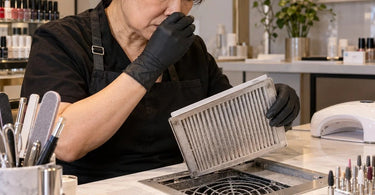
Pros trust this to deliver quality, and a reliable nail dust collector is one of those behind-the-scenes essentials that helps keep a busy manicure station comfortable, organized, and ready for the next client. But what happens when your collector looks perfectly clean on top, yet every time you switch it on, a mysterious smell makes an appearance? Suddenly, your beautiful nail station has developed a personality, and unfortunately, that personality smells suspiciously like yesterday's acrylic appointment. The good news is that a smelly nail dust collector does not automatically mean the equipment is ruined. Understanding where odors develop, how different nail products affect filtration, and which maintenance habits actually matter can help salon professionals tackle the problem without turning equipment cleaning into a full-time hobby.
A nail dust collector can look spotless while still harboring trapped filing debris, lingering product odors, or buildup inside components that are not visible during an ordinary wipe-down. The important distinction is that a clean exterior does not necessarily mean a clean filtration system. For nail technicians performing gel removal, acrylic maintenance, dip powder services, and other dust-producing treatments, knowing what happens beneath that tidy intake grille is essential.
Why Does a Clean Nail Dust Collector Still Smell?
The most common explanation is simple: the surface you see is not where most of the collected dust ends up. Nail dust collectors pull particles away from the work area and direct them into a filter, collection bag, cartridge, or internal collection compartment, depending on the equipment design. These components can accumulate significant amounts of material while the outside remains beautifully presentable.
Think of it like a vacuum cleaner. You can polish the outside until it sparkles, but if the collection compartment is packed with old debris, the machine is not exactly living its freshest life.
Odors may originate from several different sources, including trapped nail product residue, saturated filters, damp debris, contaminated collection compartments, nearby salon chemicals, or electrical and mechanical problems. Because these issues require different responses, identifying the type and timing of the smell is a useful first step.
1. Hidden Nail Dust Can Hold Onto Product Odors
Filing and removing nail enhancements creates a mixture of fine particles from products such as acrylic, hard gel, builder gel, and dipping powder systems. The collected material may retain recognizable odors associated with the products used during services. Even after the visible dust disappears from the tabletop, that material remains inside the collector until it is properly removed.
Over time, repeated services can leave a substantial amount of residue inside the filter housing or collection area. A collector that handles back-to-back enhancement removals may accumulate debris much faster than one used primarily for occasional natural nail shaping.
If the odor becomes more noticeable immediately after switching the unit on, accumulated material in the airflow path is one possible explanation. Air moving through the collector can carry odors from contaminated internal surfaces or previously trapped debris toward the exhaust.
What helps: Follow the manufacturer's instructions for emptying collection compartments and maintaining filters. Check the entire accessible dust collection area rather than relying on the appearance of the outer grille.
2. A Loaded Filter Can Look Cleaner Than It Really Is
One of the trickiest aspects of nail dust collector maintenance is that filters do not always reveal their condition through obvious surface buildup. Fine particles can become embedded within filter material or settle deep inside pleats. A quick brush across the visible side might improve the appearance without removing accumulated debris.
Different collectors use different filtration systems, including disposable filter pads, pleated cartridges, collection bags, and multi-stage filters. Some models also incorporate activated carbon components intended to help manage certain odors. These systems are not interchangeable, and each has specific maintenance requirements.
A filter may need replacement when it reaches its recommended service interval, becomes damaged, develops a persistent odor, or causes noticeably reduced airflow. Activated carbon, where provided, also has a limited capacity to adsorb certain airborne chemicals and must be replaced according to the equipment instructions.
What helps: Keep compatible nail dust collector replacement filters available and record when each filter is installed. Replace disposable filters rather than washing them unless the manufacturer specifically identifies them as washable.
3. Moisture Can Make Trapped Dust Smell Worse
Moisture is another possible contributor, particularly when a collector has been cleaned incorrectly or stored in a damp environment. Dust trapped in a damp filter or collection compartment may develop stale or musty odors. If moisture persists, microbial growth may also become a concern.
This can happen when someone washes a filter that was never designed to be washed, reinstalls an approved washable component before it dries completely, or allows liquid cleaning products to enter the machine.
Here is where good intentions sometimes create bad smells. A nail technician sees dust, decides everything needs a thorough bath, and accidentally gives the collector a problem it did not have before.
Electrical dust collectors are not designed to be soaked, and moisture entering the motor or electrical components can create safety hazards.
What helps: Disconnect the unit before maintenance. Clean only the removable components the manufacturer permits you to clean, use approved methods, and allow washable components to dry completely before reassembly. Never spray disinfectant or cleaning solution directly into the fan, motor, or electrical openings.
4. Chemical Odors May Be Coming From Nearby Products
Sometimes the nail dust collector gets blamed for smells it did not create. Professional nail stations frequently contain acrylic liquids, primers, gel products, adhesives, cleansers, and removal solutions. Some of these materials release vapors that can linger around the workstation.
A nail dust collector primarily designed for particles should not automatically be considered a solution for chemical vapor exposure. A device may capture filing dust effectively without providing adequate protection against vapors from nail liquids and solvents.
If strong product odors remain in the room after a collector has been cleaned, investigate the broader workstation environment. Check that containers are securely closed, product-soaked waste is properly contained, and the salon's ventilation system is operating as intended.
Professional nail studios may benefit from properly designed local exhaust ventilation and appropriate general room ventilation. Effective vapor control depends on system design, placement, airflow, and maintenance, not simply whether a tabletop fan is running.
What helps: Keep product containers closed when not in use, manage chemical waste appropriately, and evaluate ventilation separately from dust collection. Fragrance sprays and air fresheners should never be treated as substitutes for controlling the source of chemical vapors.
5. The Collection Compartment May Be the Forgotten Trouble Spot
Filters often receive most of the attention, but the collection chamber can also hold residue. Depending on the design, fine dust may settle along accessible seams, around the filter frame, or inside the collection tray. A small amount of debris may also accumulate around an improperly seated filter.
During a busy salon day, it is easy to wipe down the work surface, sanitize approved contact areas, and move on to the next appointment without inspecting the collector's removable dust compartment.
That routine keeps the station looking professional, but it can allow concealed buildup to continue.
What helps: During scheduled maintenance, inspect all manufacturer-accessible collection components. Empty trapped debris carefully, prevent dust from becoming airborne, and confirm that removable parts are reinstalled securely. Do not open sealed motor housings or bypass safety covers to reach inaccessible areas.
6. Weak Suction Can Allow Dust to Accumulate in Unexpected Places
When airflow decreases, the collector may struggle to capture particles efficiently. Dust that would normally enter the filtration system can accumulate on the manicure station, around the intake opening, or in nearby equipment.
Possible reasons for reduced airflow include a heavily loaded filter, blocked intake openings, obstructed exhaust vents, or a mechanical fault. The motor may still sound active even though the amount of air moving through the system has declined.
If the collector starts making unfamiliar noises while producing less suction, do not assume it simply needs a stronger setting. Unusual sounds, persistent odors, and declining performance can indicate a need for professional inspection.
What helps: Check for blockages only in accessible areas identified in the user manual, confirm the filter is installed correctly, and replace it when indicated. If performance does not improve, contact the equipment manufacturer or an authorized service provider.
7. A Hot or Burning Smell Is Different From Ordinary Dust Odor
Not every unpleasant smell should be treated as a cleaning issue. An unusual hot plastic, burning electrical, or melting smell can signal an overheating component, damaged wiring, blocked ventilation, or a motor problem.
This type of odor deserves immediate attention, especially when accompanied by unusual heat, smoke, sparking, or abnormal sounds.
What helps: Turn the collector off immediately and disconnect it from power when safe to do so. Do not continue operating the unit to determine whether the smell disappears. Have the equipment evaluated by a qualified professional or the manufacturer before using it again.
There is a difference between a collector that smells like yesterday's filing appointment and one that smells like it is auditioning to become a toaster. The second situation is never a wait-and-see moment.
How to Clean a Nail Dust Collector Without Damaging It
A consistent maintenance process can help reduce trapped odors and preserve proper operation. The exact steps depend on the model, so the manufacturer's instructions always take priority.
- Switch off and unplug the unit. Allow moving parts to stop completely before accessing removable components.
- Remove loose surface dust. Use a cleaning method approved for the equipment while avoiding unnecessary dust dispersal.
- Open the designated collection compartment. Carefully empty accumulated material using the procedure specified for the collector.
- Inspect the filter. Look for excessive loading, tears, deformation, moisture, unusual discoloration, or persistent odor.
- Clean or replace the filter appropriately. Only wash filters specifically labeled washable. Never improvise with water, compressed air, or aggressive brushing on delicate filtration media.
- Clean accessible surfaces. Use compatible cleaning products on approved non-electrical areas, following the manufacturer's instructions and applicable salon sanitation requirements.
- Check airflow openings. Make sure approved intake and exhaust areas are not obstructed.
- Reassemble carefully. Confirm that filters, covers, seals, and collection components fit correctly before restarting the unit.
For salon professionals managing multiple workstations, standardized maintenance instructions can make this process much easier. Keep compatible supplies near the cleaning area, and make sure every technician understands which components can be removed, cleaned, or replaced.
How Often Should Nail Dust Collectors Be Cleaned?
There is no universal schedule that works for every collector. Maintenance frequency depends on the manufacturer's recommendations, filtration design, service volume, and the type of nail work performed.
A workstation handling frequent acrylic removals and thick builder gel filing may require more frequent attention than a station used for light natural nail finishing.
A practical salon routine can include the following checkpoints:
- After each client: Remove visible surface debris and clean appropriate contact surfaces using approved salon procedures.
- At the end of each workday: Inspect accessible intake areas, check airflow performance, and empty or maintain the collection system when required by the equipment instructions.
- During scheduled deeper maintenance: Examine removable compartments, inspect filters, and check for trapped debris or unusual odors.
- At the manufacturer's specified intervals: Replace filters and other serviceable components.
- Whenever performance changes: Investigate persistent smells, reduced suction, abnormal sounds, or unexpected heat rather than waiting for the next scheduled cleaning.
In a salon with several technicians, a simple maintenance log can prevent confusion about who last changed the filter. Nobody wants to discover that everyone assumed someone else had handled it since spring.
Which Nail Services Create More Dust Collector Maintenance?
Different professional nail services create different amounts and types of filing debris. Understanding your service mix can help you anticipate equipment maintenance needs.
Acrylic nail services: Filing and debulking enhancements made with Acrylic Nail Supplies can generate significant particulate buildup, especially during enhancement removal and reshaping.
Gel enhancement services: Removing or refining hard gel and builder gel products may produce substantial fine dust. Salons offering these treatments alongside Professional Gel Polish services should consider how filing volume affects filter loading.
Dip powder services: Filing enhancements created with Dipping Powder Systems for Salons can introduce additional powder and cured product particles into the collection system.
Natural nail services: Even routine shaping with Nail Files & Buffers creates debris, although the quantity may be lower than during extensive enhancement removal.
Service mix is a more useful maintenance indicator than simply counting how many hours the collector has been switched on.
Can You Use Disinfectant or Fragrance to Remove the Smell?
It may be tempting to spray a favorite salon disinfectant into the collector and declare the problem solved. Unfortunately, this approach can create additional issues.
Disinfectants are formulated for specific surfaces and applications. Spraying liquids into a dust collector may damage filtration media, introduce moisture into electrical components, or produce unwanted chemical exposure. Fragrance products can also mask odors without addressing their source.
Use appropriate products from Professional Cleaners & Disinfectants for Salons and Spas only where their labeling and the equipment manufacturer permit. Cleaning removes debris, while disinfection has separate requirements involving approved products, surface compatibility, and contact time.
If a filter continues smelling after proper permitted maintenance, replacement may be more appropriate than another round of cleaning.
When Is It Time to Replace the Filter or the Entire Collector?
Not every persistent odor means the complete machine needs replacing. Filters are consumable components on many systems, and replacing a loaded or damaged filter may resolve a problem caused by retained debris.
However, replacement or professional servicing of the collector itself may be necessary when airflow remains poor after approved maintenance, the motor develops unusual noises, housing components are damaged, or the equipment repeatedly produces concerning heat or electrical odors.
Before investing in replacement equipment, check the original specifications, warranty, maintenance requirements, and availability of compatible parts. Avoid installing filters that merely look similar but are not approved for that particular machine.
When evaluating a new professional nail dust collector, consider the documented capture performance, filtration design, noise level, replacement filter availability, ease of maintenance, and suitability for the services performed at the station.
It is also important to distinguish particle collection from chemical vapor control. If a salon requires additional exposure controls, consult a qualified ventilation professional about an appropriate local exhaust system.
How to Keep a Manicure Station Fresher Between Clients
Dust collector care works best when it is part of a broader workstation maintenance routine rather than an emergency response to an unpleasant smell.
Start with an organized setup. Choose Nail Tables and Manicure Stations that allow the dust collection equipment to operate without blocked intake or exhaust openings. Keep nail liquids properly closed, dispose of contaminated waste promptly, and store clean tools separately from dusty equipment.
Use suitable Professional Cotton, Sponges, and Wipes for Salons & Spas for permitted surface-cleaning tasks, and maintain a supply of approved replacement filters and other necessary equipment accessories.
For salons performing several enhancement services each day, assign responsibility for checking filters and collection compartments. A brief inspection can reveal problems before they become noticeable to clients.
Just remember that a pleasant-smelling salon is not automatically a well-ventilated salon. Good housekeeping, effective source capture, suitable ventilation, and appropriate chemical handling all have separate roles in maintaining a professional environment.
A Quick Troubleshooting Guide for Nail Dust Collector Odors
If the collector smells despite a clean exterior, use these clues to help determine the next step:
- Dusty or acrylic-like odor when running: Check for accumulated filing residue and filter loading. Also evaluate nearby product vapors.
- Musty or stale odor: Inspect permitted removable components for moisture, damp debris, or contamination. Replace affected filters where appropriate.
- Odor accompanied by weak airflow: Investigate filter condition and accessible airflow obstructions according to the equipment manual.
- Persistent chemical smell throughout the salon: Review chemical storage, waste handling, and general and local exhaust ventilation rather than relying solely on a dust collector.
- Burning or melting smell: Stop operating the equipment immediately and arrange qualified inspection.
- Odor returns quickly after cleaning: Review whether the correct filters are being used, whether components are fully dry, and whether the cleaning procedure addresses the actual source.
These symptoms can offer useful clues, but smell alone cannot reliably identify a contaminant or determine whether airborne exposure is adequately controlled.
Small Maintenance Habits Make a Big Difference
The biggest lesson is that a nail dust collector should be judged by more than its shiny exterior. Hidden debris, worn filters, moisture, restricted airflow, and nearby chemical vapors can all contribute to an unpleasant workstation experience.
With an equipment-specific cleaning routine, properly maintained filtration components, and a ventilation setup suited to professional nail services, salon teams can address many common odor problems before they interrupt an appointment.
Whether you are maintaining one manicure station or managing a full salon, having the right Professional Nail Care Collections, compatible equipment supplies, and cleaning essentials available helps support a more organized and consistent workflow.
After all, your nail artistry should be what makes a lasting impression, not the mysterious aroma drifting out of the dust collector. Keep the equipment maintained, give those hidden filters the attention they deserve, and let your fabulous nail designs do the talking.
