
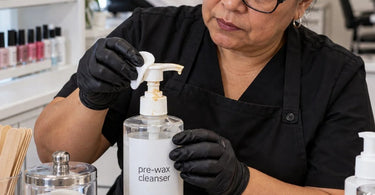
Elevate treatments with this pro staple... but make sure the bottle dispensing it is as clean as the skin you are preparing! Pre-wax cleanser is one of the hardest-working essentials in a professional waxing room, helping remove surface oils, makeup, perspiration, and everyday residue before hair removal. Unfortunately, even the most beautiful treatment room can have a sneaky hygiene problem hiding around the pump of that innocent-looking cleanser bottle. That little plastic dispenser gets pressed, touched, splashed, and occasionally introduced to hands that have been handling everything from used waxing strips to sticky gloves. Before you know it, the pump has become the busiest and potentially messiest employee in the salon, and nobody remembered to put it on the cleaning schedule!
For professional estheticians, waxing specialists, and salon owners, understanding why cleanser bottles become contaminated around their pumps is an important part of maintaining hygienic treatment procedures. The problem is not necessarily the cleanser itself. It is the combination of product residue, repeated contact, environmental exposure, and everyday workstation habits that can make the pump area a contamination hotspot.
Why the Pump Is the Most Vulnerable Part of a Pre-Wax Cleanser Bottle
A professional cleanser bottle may look like a fairly simple piece of equipment, but its dispensing mechanism has several surfaces that are easily overlooked during routine cleaning. The top of the pump is touched repeatedly, while the nozzle, collar, and narrow spaces around the dispenser can collect residue throughout the workday.
Every time an esthetician depresses the pump, a small amount of cleanser may remain near the nozzle opening. Depending on the formulation, this residue can dry into a film or remain slightly damp. Over time, repeated dispensing can create layers of residue around the pump head and threaded collar.
Meanwhile, the bottle may be handled by gloved hands, bare hands, or hands that have just touched treatment supplies. Even though pumps help keep fingers out of the main product container, their exterior surfaces are not automatically protected against contamination.
Think of it this way: a pump bottle is wonderfully convenient, but it does not come with an invisible force field. Wouldn't that be lovely?
How Product Residue Creates a Contamination Hotspot
One of the most common reasons cleanser pumps become grimy is simple product accumulation. Each pump action can leave behind a small droplet that travels along the nozzle or settles around the opening.
Some pre- and post-waxing products contain ingredients that leave a noticeable film after repeated exposure. This does not mean those ingredients are unsafe or that the formulation is defective. It means product residue can collect on the packaging exterior, particularly when the bottle is used dozens of times throughout a busy schedule.
Once residue accumulates, it can trap dust, lint, hair fragments, and other debris. Damp or soiled residue may also provide conditions that allow microorganisms transferred from hands or nearby surfaces to persist.
The nozzle itself deserves special attention because dried material can accumulate around its opening. When fresh cleanser passes over old residue, the dispensing area becomes harder to keep clean.
Visible buildup is not proof that harmful bacteria are present, and a clean-looking nozzle is not proof that contamination is absent. The practical takeaway is that removing residue promptly makes routine hygiene more manageable.
Gloved Hands Can Still Transfer Contamination
Professional waxing frequently involves gloves, especially when performing services requiring careful hygiene precautions. However, gloves are only as clean as the surfaces they have contacted.
An esthetician might begin with fresh gloves, apply cleanser, perform a waxing service, handle used materials, and then reach for the cleanser bottle again without changing gloves. Each contact creates an opportunity to transfer material to the pump.
Gloves can pick up wax, skin oils, hair, environmental debris, and microorganisms during normal service activities. Pressing the cleanser dispenser with contaminated gloves can transfer that material onto a frequently touched surface.
This is why professional protective gloves are part of a broader hygiene system rather than a substitute for handwashing and appropriate glove changes.
When moving from a potentially contaminated task back to clean supplies, technicians should follow the appropriate hand hygiene and glove-changing procedures. Clean dispensing should happen before contact with used waxing materials whenever possible.
After all, a glove that has been everywhere is not exactly getting a five-star cleanliness review.
Why Pump Collars and Threads Collect So Much Buildup
The threaded area where the pump attaches to the bottle is especially easy to ignore. Unlike the broad sides of a bottle, this narrow area has seams, grooves, and recessed surfaces.
When cleanser drips downward, it may collect along the pump collar. Dust and residue can settle into those spaces, making them difficult to wipe thoroughly.
Frequent handling can also loosen a pump assembly slightly, allowing product to collect around the connection. A damaged seal, cracked collar, or leaking pump may create additional cleanup problems.
Technicians should inspect bottles for leakage and keep accessible exterior surfaces clean according to the product and packaging manufacturer's directions. If the pump is damaged or cannot be cleaned effectively, replacing the affected component or bottle may be the most practical option.
Do not assume that taking apart every pump is necessary or safe. Some packaging systems are not designed to be disassembled, washed, or reused. Follow the manufacturer's instructions before removing components.
How a Busy Waxing Room Makes the Problem Worse
A high-volume waxing studio has plenty happening in a relatively small space. Warm wax, applicators, cotton products, waxing strips, gloves, towels, and client belongings all compete for convenient workstation access.
When a cleanser bottle sits beside a busy wax warmer, it may be exposed to splashes, sticky residue, and frequent accidental contact. When it sits near used implements or waste, the surrounding environment creates additional opportunities for contamination.
Even a perfectly organized-looking station can have workflow problems if clean products and used supplies occupy the same working area.
Estheticians should create a designated clean-product zone for cleanser bottles and other items needed before treatment. Keep that zone separate from used applicators, discarded strips, and items awaiting cleaning or disposal.
Practical organization is easier with the right professional waxing supplies, including appropriate containers, disposable application materials, and workstation accessories.
Does Contamination Around the Pump Mean the Cleanser Inside Is Contaminated?
Not necessarily. This distinction matters because the exterior pump surface and the contents of the bottle are not the same environment.
A properly functioning pump dispenser is designed to dispense product without requiring technicians to dip their fingers or applicators into the container. That reduces certain opportunities for contaminating the remaining cleanser.
However, packaging design does not eliminate every risk. Problems can arise if the nozzle contacts a used applicator, if the pump assembly is damaged, if the container is opened unnecessarily, or if someone transfers product using unsanitary equipment.
Repeatedly topping off a partially empty bottle can also introduce unnecessary handling and may conflict with manufacturer instructions. Refillable packaging requires particular attention to approved cleaning procedures and product compatibility.
Never assume that a visibly dirty pump proves the entire bottle is unusable, but never assume that wiping the outside will resolve suspected contamination inside the container either.
If the product develops an unusual odor, unexpected discoloration, texture changes, visible foreign material, or other signs of possible compromise, stop using it and follow the manufacturer's guidance. Discard product when contamination is suspected and safe use cannot be established.
Why Touching the Nozzle With Cotton or Applicators Is a Bad Habit
Sometimes the fastest way to collect cleanser seems to be positioning a cotton pad directly against the pump opening. Although convenient, pressing used or contaminated application materials against the dispensing nozzle can create unnecessary cross-contact.
A better approach is to dispense the required amount onto a fresh, appropriate applicator without allowing the applicator to touch the nozzle. Alternatively, use a clean dispensing method specifically recommended by the product manufacturer.
Professional cotton, sponges, and wipes make it easy to prepare clean materials before beginning each service.
Once an applicator has touched a client's skin, it should not return to the dispenser opening. Single-use materials should be discarded after use according to applicable sanitation requirements.
That tiny gap between the nozzle and the cotton pad can make a meaningful difference in maintaining a cleaner dispensing process.
How to Clean Pre-Wax Cleanser Bottles Properly
Routine exterior cleaning is one of the simplest ways to prevent visible residue from becoming a permanent feature of the waxing station.
Start by checking the bottle manufacturer's care instructions. Remove visible residue from compatible exterior surfaces using an appropriate cleaning method. Pay particular attention to the top of the pump, the dispensing nozzle, and the collar where product tends to accumulate.
When an exterior surface requires disinfection, use a suitable disinfectant according to its label and the packaging manufacturer's compatibility instructions. Follow the required contact time and any cleaning or rinsing directions. Avoid allowing cleaning chemicals to enter the nozzle or contaminate the product inside.
Not every disinfectant is appropriate for every plastic or pump assembly. Some materials may become damaged or discolored when exposed to incompatible chemicals.
Explore professional cleaners and disinfectants for salons and spas when assembling a workstation hygiene program, and always use cleaning products for their labeled purposes.
Build exterior bottle cleaning into the treatment-room turnaround process as appropriate for your sanitation plan. Also inspect dispensing areas during opening and closing procedures, when accumulated residue may be easier to identify.
If the packaging cannot be cleaned adequately, shows damage, or presents a suspected contamination issue, replace it instead of improvising a questionable repair.
Smart Dispensing Habits That Help Prevent Cross-Contamination
Preventing contamination begins with the order in which products are handled. Set up the cleanest part of the process first, before gloves and hands begin contacting potentially contaminated materials.
Prepare fresh applicators and position the cleanser bottle where it can be accessed without reaching over used supplies. Perform hand hygiene and use gloves where required by the service, product instructions, and applicable regulations.
Dispense cleanser without touching the nozzle to skin, cotton, gloves, or other materials. Close or secure the dispenser as designed when it is not being used.
Change gloves and perform hand hygiene when moving between tasks that require it. Avoid touching clean product containers after handling used strips, waste, or soiled equipment.
Keep used materials in designated disposal areas, away from clean bottles and applicators. This simple separation reduces unnecessary movement across the workstation.
These habits are especially valuable during back-to-back appointments, when speed can tempt even experienced technicians to take shortcuts.
Choosing Bottles That Are Easier to Keep Clean
Not every dispensing bottle is equally practical for professional waxing services. When evaluating packaging, consider how easily the exterior can be wiped, whether the nozzle drips, and whether the pump operates reliably.
Smooth exterior surfaces and accessible pump heads may make routine cleaning easier. A stable bottle with a dependable dispenser also helps reduce accidental spills and excessive handling.
For approved refillable systems, choose containers designed for the intended formulation and follow the product manufacturer's dispensing, cleaning, labeling, and refilling guidance. Do not transfer cleanser into random containers simply because they look attractive on a salon shelf.
The bottles and jars used in professional beauty environments should be appropriate for their contents and the way they are maintained.
Some professionals prefer pump bottles, while others favor compatible spray dispensers for particular pre-wax preparations. The best choice depends on the product instructions, treatment workflow, and sanitation requirements.
A beautiful minimalist bottle is lovely, of course, but the ability to dispense product cleanly deserves top billing. The pump has to earn its place on that aesthetically pleasing cart.
Why Pre-Wax Cleansing Still Matters for Treatment Quality
With all this talk about dirty pumps, it is worth remembering why pre-wax cleanser is such an important professional essential in the first place.
Pre-wax preparation helps remove surface debris, cosmetics, perspiration, and excess oils that may interfere with the waxing process. Proper preparation supports consistent service procedures and helps technicians work with skin that is ready for the selected hair removal product.
However, cleanser performance depends on the formulation and its intended use. Not every pre-wax cleanser is an antiseptic or disinfectant, and a product should not be represented as killing microorganisms unless its labeling supports that claim.
Professionals should choose products appropriate for the treatment area, follow the manufacturer's directions, and avoid applying unsuitable formulations to irritated, broken, or otherwise compromised skin.
For salons reviewing their preparation products, the ItalWax pre-wax and post-wax collection offers a place to explore professional options. Different brands and formulations may have different application and handling requirements.
Properly maintained dispensing equipment helps support the clean application habits that make these preparation steps effective and professional.
Training the Entire Waxing Team to Handle Cleanser Bottles Correctly
One technician with excellent hygiene habits is a wonderful start. An entire team following the same procedures is even better.
Salon managers should establish clear expectations for where cleanser bottles belong, when they are handled, how their exteriors are cleaned, and when damaged packaging should be removed from service.
New employees should learn how to dispense products without contacting the nozzle and how to maintain separation between clean supplies and used treatment materials.
Training should also cover appropriate hand hygiene, glove changes, product labeling, storage requirements, and cleaning procedures. Review state board requirements and applicable local rules because sanitation obligations can vary by location and service type.
Consider adding a simple pump inspection to workstation opening procedures. A technician can check for residue, leakage, cracks, stuck dispensers, or other problems before the first client arrives.
Closing procedures can include inspecting and cleaning bottle exteriors and confirming that products are stored correctly.
There is no need to turn every cleanser bottle into a dramatic detective investigation. Consistent habits are more useful than occasional panic-cleaning sessions.
Small Hygiene Improvements Can Make a Big Professional Difference
Clients may never study the underside of a cleanser pump, but they certainly notice when a treatment space looks organized, well-maintained, and professionally managed.
Clean containers, orderly supplies, and confident preparation procedures contribute to the overall service experience. More importantly, appropriate sanitation practices help reduce avoidable cross-contamination risks.
For growing waxing studios, consistent procedures also make it easier to onboard new employees and maintain standards across multiple treatment rooms.
Keeping replacement supplies available prevents technicians from feeling pressured to continue using damaged or difficult-to-clean dispensers. A dependable supply of waxing accessories and removers can support smoother daily operations.
At Pure Spa Direct, we understand that professional waxing involves much more than selecting a great wax formula. As a distributor of professional spa, salon, and beauty supplies, we help businesses source the everyday essentials that support efficient, well-organized services.
The Bottom Line: Give That Pre-Wax Cleanser Pump Some Attention
Pre-wax cleanser bottles become contaminated around their pumps because these areas experience repeated hand contact, product drips, residue buildup, and exposure to the busy treatment-room environment. Small grooves around the nozzle and collar make overlooked buildup especially common.
The good news is that professionals can reduce these risks with sensible dispensing habits, clean applicators, appropriate hand hygiene, regular exterior cleaning, and prompt replacement of damaged equipment.
Keep product containers away from used supplies, follow manufacturer instructions, and make pump inspection part of the regular workstation routine. Remember that exterior cleanliness does not guarantee that a product is uncontaminated, so suspected problems should always be handled carefully.
For the finishing touch on a smarter waxing setup, explore the professional pre- and post-waxing essentials available through Pure Spa Direct.
Because a smooth waxing service should involve beautifully prepared skin, not a mysterious crusty ring around the cleanser pump. Your clients deserve excellent treatment, your team deserves an efficient workstation, and that hardworking little dispenser deserves a little hygiene attention too!
