
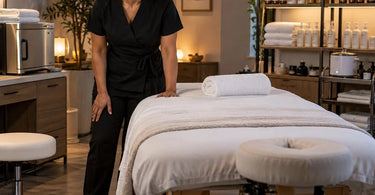
Enhance treatments with ease... and discover why the quietest massage room can sometimes make the tiniest equipment noise sound like an entire construction crew has arrived. You have dimmed the lights, arranged the fresh linens, and created a peaceful environment where clients can finally escape the chaos of everyday life. Then, just as your client begins drifting into relaxation, the massage table delivers one dramatic little squeak. Suddenly, that barely noticeable sound has become the star of the treatment. For massage therapists and spa professionals, understanding why small noises seem so loud in quiet treatment rooms can help create a more consistently relaxing experience.
A peaceful massage room is not necessarily a completely silent room. In fact, extreme quiet can make ordinary operational sounds more noticeable. From adjustable table components to heating equipment and rolling carts, even well-maintained professional massage and wellness products can produce occasional sounds during normal use. The goal is to recognize which noises are harmless, which suggest maintenance is needed, and how thoughtful room design can keep minor distractions from interrupting the experience.
Why Small Sounds Become So Noticeable in Quiet Massage Rooms
Imagine standing in a busy salon surrounded by blow dryers, conversation, and background music. A small click from an equipment switch would probably disappear into the surrounding activity. Move that same equipment into a nearly silent massage room, however, and the click becomes much easier to hear.
This happens partly because of a hearing phenomenon called auditory masking. When multiple sounds occur together, some can make other sounds harder to detect. When the background becomes quieter, those competing sounds disappear, allowing subtle noises to stand out.
The equipment has not necessarily become louder. The surrounding environment has simply become quieter.
Contrast also matters. A steady, gentle background sound often attracts less attention than a sudden creak, click, or rattle. Unexpected sounds can interrupt a client's sense of calm because they stand apart from the otherwise predictable environment.
That means creating a peaceful treatment room is not simply about eliminating every possible sound. It is about reducing distracting noises while maintaining a comfortable and consistent atmosphere.
The Massage Table: A Surprisingly Common Source of Tiny Noises
The massage table is one of the most frequently used pieces of equipment in a treatment room. It supports different body weights, accommodates changing treatment positions, and experiences repeated pressure throughout the workday.
Over time, these normal movements can reveal small noises that would be nearly impossible to notice in a busier environment.
Common massage table sounds include:
- Light creaking when a client changes position.
- Small clicking sounds from adjustable components.
- Occasional squeaks from moving hinges or support mechanisms.
- Rattling from loose accessories or attachments.
- Vibration when table feet rest unevenly on the floor.
These sounds do not automatically mean a table is unsafe. However, new, worsening, or unusual noises deserve attention, especially when accompanied by movement, instability, visible damage, or loose hardware.
Professionals selecting massage tables and chairs should consider stability, construction quality, adjustment mechanisms, and maintenance requirements alongside cushioning and appearance.
For mobile therapists, portable massage tables deserve particular attention because folding mechanisms, support cables, and locking components experience repeated setup and breakdown.
Always follow the manufacturer's inspection and maintenance instructions. Never attempt to solve structural creaking by modifying load-bearing components or applying lubricants to mechanisms unless the manufacturer specifically permits it.
Why Adjustable Equipment Can Sound Louder During Treatments
Adjustable massage tables and spa furniture can provide valuable positioning options for both clients and practitioners. Electric motors, hydraulic systems, hinges, and moving supports can also create sounds during adjustment.
In a quiet room, even a brief mechanical hum may seem surprisingly prominent.
One practical strategy is to complete routine table adjustments before the treatment begins whenever possible. Confirm the client's comfort, set the working height appropriately, and make necessary positioning changes before transitioning into the quietest portion of the service.
Of course, treatment needs and client comfort always come first. If an adjustment becomes necessary during a session, make it rather than allowing someone to remain uncomfortable simply to preserve silence.
When shopping for luxury spa furniture, consider asking about operating noise, available adjustment features, maintenance procedures, and manufacturer support.
A beautiful treatment table should contribute to the overall experience, not make a dramatic announcement every time someone raises the backrest.
Small Heating Devices Can Create Unexpected Background Sounds
Comfort-focused equipment is another potential source of sound.
Massage therapists often incorporate warming products into treatments, including massage table warmers and toppers, hot and cold massage therapy products, and hot stone heaters and warmers.
Depending on the product, these devices may produce operational sounds such as clicks from switching components, low mechanical hums, or occasional noises associated with heating and cooling cycles.
Not every device produces these sounds, and unexpected noises should never automatically be dismissed as normal.
Before treatments begin, check that equipment is operating according to its instructions. Make sure devices are positioned on suitable, stable surfaces and that cords are not touching vibrating components.
Keep heaters and electrical equipment in locations permitted by their manufacturers, with appropriate ventilation and required clearances. Never cover a noisy device with towels or other materials to muffle its sound, since doing so may create an overheating hazard.
If electrical equipment produces unusual buzzing, repeated abnormal clicking, a burning smell, or signs of damage, discontinue use and arrange appropriate inspection or service.
Rolling Carts, Bottles, and Accessories: The Little Noise Makers
Sometimes the massage table gets blamed for a sound that actually comes from a completely different piece of equipment.
A rolling cart with a slightly loose caster can rattle whenever it moves. A glass bottle placed against another container may produce an unmistakable clink. Metal tools resting together can create a surprisingly sharp sound when the therapist reaches for supplies.
In a room where the loudest background sound is a client's peaceful breathing, these little noises can suddenly seem enormous.
Consider how everyday items are arranged:
- Position bottles so they do not bump against one another.
- Use stable storage surfaces that do not wobble when touched.
- Inspect cart wheels and casters for debris, looseness, or rough movement.
- Keep frequently used supplies within comfortable reach.
- Organize tools to prevent unnecessary searching during treatments.
- Avoid stacking hard accessories where they can slide or knock together.
Thoughtful organization can make a noticeable difference. Products such as bottles and jars and professional spa tools and implements are easier to use quietly when stored securely and conveniently.
Even the simple act of preparing enough massage product before the session can reduce the need to open containers repeatedly.
Why Linens and Soft Furnishings Help a Massage Room Sound Calmer
Room acoustics affect how sound travels and how long it remains noticeable.
Hard surfaces such as tile, glass, painted drywall, and certain flooring materials reflect sound. A room filled with reflective surfaces may allow sharp noises to bounce around before fading.
Soft, porous materials can absorb some sound energy and reduce reflections. This can make a treatment room feel less echoey and help certain equipment noises seem less intrusive.
Practical additions may include:
- Appropriate curtains or window treatments.
- Upholstered seating in suitable areas.
- Washable rugs where permitted and safe.
- Professionally maintained acoustic panels.
- Comfortable massage table padding and linens.
Well-chosen salon and spa bedding and high-quality towels contribute directly to client comfort and may provide some additional sound absorption.
However, ordinary linens are not substitutes for professional acoustic treatment or soundproof construction. They will not reliably stop conversations or mechanical noise from traveling through walls.
All soft furnishings should also be compatible with the facility's cleaning, infection control, and accessibility requirements.
Is Complete Silence Actually the Best Choice for Massage Treatments?
Not always!
Although silence might sound like the ultimate luxury, a completely quiet room can make every isolated sound more noticeable. A gentle, consistent background sound can sometimes provide a more comfortable acoustic environment.
This is another application of auditory masking. Soft background audio may reduce the contrast between silence and occasional minor noises.
Options can include quiet instrumental music, subtle nature recordings, or an appropriately designed sound-masking system.
The important word is subtle.
If the music sounds like the spa is hosting a surprise concert, the volume has probably wandered a little too far from the relaxation department.
Background audio should never interfere with communication between the therapist and client. Clients must be able to express discomfort, request a positioning change, or communicate other needs clearly.
Remember that sound preferences differ. Some clients enjoy music, while others prefer quiet or find certain nature sounds distracting.
Offering reasonable choices helps personalize the experience without requiring a completely different room setup for every appointment.
Aromatherapy Diffusers and Other Small Wellness Devices
Many massage rooms incorporate aromatherapy supplies to create a pleasant sensory environment.
Some electric diffusers use fans, vibrating components, or ultrasonic technology that may produce a faint hum, intermittent gurgling, or other operating noise.
In a treatment room with background music, these sounds might disappear into the ambiance. In near silence, they can become more apparent.
Before purchasing or using a diffuser, consider its intended operating environment and the manufacturer's specifications. If sound is an important concern, evaluate the device during normal operation rather than relying only on its appearance.
Also consider whether fragrance is appropriate for the client. Some people are sensitive to scents, and aromatherapy should be optional rather than an unavoidable part of the treatment room experience.
Position diffusers according to their instructions, prevent moisture from reaching electrical equipment, and maintain regular cleaning procedures.
For an especially quiet treatment, a therapist may decide that eliminating an unnecessary powered accessory is simpler than trying to disguise its noise.
The Hidden Importance of HVAC and Building Sounds
Not every distracting sound comes from massage equipment.
Heating, ventilation, and air conditioning systems may produce airflow noise, periodic clicks, vibrations, or changes in sound when equipment starts and stops.
Clients may also hear footsteps from hallways, neighboring treatment rooms, plumbing, doors closing, or conversations near reception.
These sounds can feel more intrusive when a client is lying quietly with little else competing for attention.
Building noise is best addressed at its source whenever feasible.
For example, a rattling ventilation cover may need professional attention, while a door that closes too loudly may benefit from appropriate hardware adjustment.
Facility owners should not block vents, restrict required airflow, or alter HVAC equipment simply to make the room quieter.
For persistent building noise, qualified HVAC or acoustic professionals can help identify safe and effective improvements.
Sometimes the most useful spa upgrade is not another decorative accessory. It is finally getting someone to fix that mysterious hallway door that sounds like it has a personal grudge against relaxation.
How to Perform a Simple Massage Room Noise Audit
One of the easiest ways to identify distracting sounds is to experience the room as a client would.
Schedule a short inspection when the facility is operating under typical conditions. Run the equipment normally used during services, then listen from several positions around the room.
A practical noise audit can include the following steps.
- Listen from the treatment table. Sit or lie in the position a client would occupy, with appropriate assistance and safety precautions.
- Check the table. Inspect it according to the manufacturer's procedures and listen for unusual sounds during normal, permitted operation.
- Operate warming equipment. Note routine sounds, unexpected changes, and any signs that a device requires service.
- Move carts and accessories. Identify rattling wheels, unstable shelves, and containers that knock together.
- Check surrounding activity. Notice hallway conversations, nearby doors, plumbing, and ventilation sounds.
- Evaluate background audio. Determine whether music or another gentle sound source improves the environment without becoming distracting.
- Record and prioritize findings. Address safety concerns immediately and schedule routine fixes for less urgent issues.
For recurring noises, note when they happen and what equipment is operating at the time. This can help distinguish an occasional harmless sound from a consistent maintenance issue.
A basic phone sound-measuring app may help compare conditions informally, but it should not be treated as a calibrated professional noise assessment.
Choosing Massage Equipment With Sound in Mind
When purchasing professional spa equipment, appearance and price are only part of the decision.
Noise characteristics can also affect daily usability, particularly in facilities offering quiet, relaxation-focused services.
Consider asking equipment suppliers about:
- The stability and construction of the equipment.
- Whether moving mechanisms produce noticeable operating sounds.
- Recommended maintenance and inspection schedules.
- Availability of compatible replacement components.
- Warranty coverage and service support.
- Whether adjustments can be completed smoothly during normal use.
Explore relevant equipment categories such as professional spa equipment and furniture and wellness tools and supplies with these considerations in mind.
For replacement needs, check the manufacturer's requirements and investigate compatible spa and salon equipment replacement parts.
Not every noisy component needs to result in an entirely new purchase. Some problems can be resolved through authorized servicing or replacement of approved parts.
However, damaged or unstable equipment should never remain in client use while awaiting repairs.
Why a Consistent Setup Helps Therapists Work More Quietly
Organization can reduce noise just as effectively as some physical room changes.
Think about how many small sounds occur when a therapist must move supplies, open cabinets, adjust furniture, or search for a missing product halfway through a treatment.
Each interruption creates another opportunity for a click, squeak, clatter, or rolling-cart performance.
A consistent setup helps minimize unnecessary movement.
Before each appointment, prepare the necessary massage oils, lotions, and creams, clean linens, client support accessories, and treatment tools.
Position massage bolsters and other supports conveniently so the therapist can adjust client comfort without searching through cabinets.
Where practical, handle preparation tasks before the client enters the room.
This reduces both equipment noise and disruptions to the treatment flow.
It can also make daily operations more efficient, particularly in busy spas with multiple practitioners sharing treatment spaces.
What Should Spa Owners Fix First?
Not every sound problem requires a major renovation or expensive equipment replacement.
Start by separating safety concerns from comfort-related distractions.
First priority: equipment safety. Investigate loose structural components, unstable tables, damaged cords, abnormal electrical noises, and other potential hazards immediately. Stop using affected equipment until it has been properly evaluated.
Second priority: repetitive distractions. Address recurring rattles, squeaky casters, vibrating accessories, and operational noises that repeatedly interrupt treatments.
Third priority: room acoustics. Consider appropriate soft furnishings, door improvements, and professional sound treatment when the space itself amplifies unwanted noise.
Fourth priority: atmosphere. Adjust optional background music and other sensory details according to client preferences.
This order helps prevent an important maintenance concern from getting overlooked in favor of simply turning up the music.
Frequently Asked Questions About Massage Room Equipment Noise
Why does my massage table sound louder when the room is quiet?
Lower background noise makes subtle sounds easier to detect. Without other sounds masking them, small table creaks or clicks may stand out more clearly. New or unusual noises should still be investigated according to the manufacturer's instructions.
Can background music help cover equipment noises?
Gentle background audio can sometimes make minor sounds less noticeable. However, it should remain comfortable for the client and should never be used to conceal unsafe or malfunctioning equipment.
Do thicker massage table pads eliminate squeaking?
Comfortable padding can reduce certain contact noises and improve the client experience, but it will not necessarily resolve sounds originating from hinges, frames, or structural components. Those noises require appropriate inspection.
Should every massage room have a sound machine?
No. Some rooms benefit from controlled background sound, while others already have a comfortable acoustic environment. Client preferences, room acoustics, and the nature of the treatments should guide the choice.
How often should massage equipment be checked for noise?
Practitioners can remain attentive to unusual sounds during daily use, with formal inspections following the manufacturer's recommended schedule. Any sudden change in operation or stability should prompt an immediate assessment.
Are electric massage tables naturally noisier than manual tables?
Electric tables may produce motor sounds during adjustments, while manual tables may generate noises from mechanical moving parts. Actual noise depends on the design, condition, installation, and operation of the specific product.
Create a Massage Room That Feels Peaceful, Not Unnaturally Silent
Quiet massage rooms make tiny equipment noises seem louder because there is less background sound to mask them, and sudden sounds contrast sharply with the peaceful environment. Room acoustics, equipment condition, and treatment routines can all influence how noticeable those sounds become.
The most effective approach combines reliable equipment, routine maintenance, organized supplies, appropriate acoustic choices, and attention to individual client preferences.
Whether you are updating your treatment furniture, reorganizing accessories, or reviewing your facility's overall atmosphere, browse spa essentials for professionals and serenity essentials to explore products suited to professional treatment environments.
Because the goal is not to make a massage room so silent that everyone becomes afraid to breathe. It is to create a comfortable space where minor sounds fade into the background, the therapist can work confidently, and clients can focus on the relaxation they came for.
