
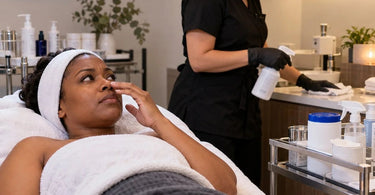
Quality products fuel growth fast, but even the most luxurious spa experience can hit an unexpected speed bump when a client notices the smell of disinfectant before the relaxing fragrance you carefully selected. You have the soft lighting, beautiful treatment room, fresh linens, and calming music, yet someone walks in and asks, 'Did you just clean in here?' Suddenly, your peaceful sanctuary feels a little more like the cleaning aisle at the grocery store. The surprising truth is that certain cleaning product odors can overpower spa fragrances even when the cleaning products were used correctly and the room looks absolutely spotless.
For spa owners, salon managers, estheticians, massage therapists, and beauty professionals, understanding how cleaning product smells interact with fragrance is an important part of creating a comfortable treatment environment. The goal is never to compromise sanitation for a prettier scent. Instead, it is to balance professional hygiene practices, appropriate ventilation, thoughtful product selection, and client comfort so that cleanliness supports the atmosphere rather than stealing the spotlight.
Why Cleaning Product Smells Can Overpower Spa Fragrance
Our sense of smell does not evaluate every odor equally. Certain chemical compounds have particularly noticeable odor characteristics, meaning they can attract attention even at relatively low airborne concentrations. Some cleaning products contain ingredients with sharp, recognizable scents that contrast strongly with softer botanical fragrances used in professional spa environments.
Picture a treatment room featuring subtle lavender aromatherapy. The fragrance is intended to create a gentle background experience. Now imagine a freshly disinfected countertop releasing a pronounced citrus, alcohol, or other chemical odor. That sharper smell may become the first thing a client notices, even if the aromatherapy fragrance is still present.
This is partly because odor perception involves more than fragrance intensity. Familiarity, expectations, emotional associations, and individual sensitivity all influence which scents capture attention. A client expecting relaxation may immediately notice an odor associated with household cleaning because it seems out of place.
Professionals shopping for Professional Cleaners & Disinfectants for Salons and Spas can benefit from evaluating both the sanitation requirements of their services and the sensory characteristics of the products they use.
The Difference Between Fragrance Strength and Odor Detection
A fragrance does not have to be physically stronger than another scent to become more noticeable. Different odor compounds have different detection thresholds, and people vary considerably in their ability to recognize them. Some individuals may detect a cleaning product immediately while barely registering a spa fragrance that another person finds obvious.
Another factor is the character of the odor. Sweet floral or herbal fragrances are often selected to blend into an environment. Sharp chemical odors can stand out because they create contrast. The brain may interpret an unusual smell as something worth investigating, particularly when it differs from what someone expects in a spa.
This helps explain why adding more lavender, eucalyptus, or citrus fragrance is not necessarily the answer. Increasing fragrance intensity may simply create a stronger mixture of competing odors instead of producing a cleaner, more luxurious atmosphere.
Why Your Staff May Stop Noticing Cleaning Smells
One of the biggest challenges in managing spa fragrance is olfactory adaptation, sometimes called nose blindness. When someone remains around a particular smell, their perception of that odor often decreases over time.
Your team may work with the same cleaning products every day. After repeated exposure, those smells can become part of the familiar background environment. Clients, however, are entering with a fresh sense of smell and may notice odors that staff members barely recognize.
This is especially relevant in busy salons where repeated sanitation routines occur throughout the day. A nail technician may no longer notice the cleaning product used on a workstation, while a newly arriving client detects it immediately.
An effective management practice is to periodically evaluate treatment rooms from the perspective of someone entering for the first time. A staff member who has been away from the room can offer a useful impression. Better yet, ask clients for feedback without suggesting what they should smell.
A simple question such as 'How does the room feel when you first walk in?' may reveal more useful information than asking whether the lavender fragrance is strong enough.
Cleaning Product Application Can Influence Lingering Odors
The way cleaning products are applied can affect how noticeable their odors become. Using more product than directed, preparing solutions at an incorrect concentration, or applying chemicals in poorly ventilated areas can increase unnecessary exposure and odor concerns.
Professional disinfectants must always be used according to their label instructions, including dilution requirements, approved surfaces, protective equipment, application methods, and required contact times. A disinfectant may need to remain visibly wet for a specific period to work as intended. Wiping it away prematurely simply to eliminate its smell can interfere with effective disinfection.
Equally important, never mix cleaning chemicals with other cleaners, disinfectants, essential oils, or fragrance products. Incompatible chemicals can produce hazardous reactions, and adding ingredients may interfere with a disinfectant's effectiveness.
Choosing appropriate salon disinfectants and maintaining clear staff procedures can help avoid unnecessary overapplication while protecting sanitation standards.
Remember that a powerful cleaning smell is not proof of effective disinfection. Conversely, a product with little noticeable fragrance is not automatically less effective. Proper product registration where applicable, approved uses, and correct application matter far more than how dramatically a room smells afterward.
Ventilation Matters More Than Adding Another Fragrance
One of the most practical ways to manage unwanted cleaning odors is to address indoor air movement. Rooms with limited fresh-air exchange may retain odors longer, especially when several products are used throughout the day.
Small facial rooms, waxing suites, nail treatment areas, and enclosed massage rooms can present particular challenges. A lovely room with limited ventilation can hold onto cleaning product odors long after the sanitation task has finished.
Where building conditions and outdoor air quality allow, increasing appropriate ventilation during and after cleaning can help reduce airborne contaminants and lingering smells. Properly maintained HVAC systems and correctly positioned exhaust ventilation may also support better indoor air quality.
Airflow should be evaluated thoughtfully. A fan that simply blows odors from one workstation toward a client's face is not an effective solution. Ventilation arrangements must also comply with applicable building codes, workplace requirements, and product instructions.
It is worth remembering that fragrance diffusers are not ventilation equipment. They add scented substances to the indoor environment rather than removing cleaning product vapors. A beautifully scented room is not necessarily a well-ventilated room.
Why Spa Aromatherapy Sometimes Loses the Scent Competition
Professional Aromatherapy Supplies can enhance the atmosphere of a treatment room when selected and used appropriately. However, aromatic products are generally designed to complement the experience, not overpower every other odor in the building.
Some fragrance compositions are subtle by design. A delicate botanical blend might be ideal for a massage session, but it may not dominate the strong odor of a recently applied cleaner.
There is also the question of fragrance layering. A lavender diffuser, citrus cleaning product, fragranced laundry detergent, scented hand soap, and aromatic massage lotion may each smell pleasant individually. Together, they can create a confusing combination.
Imagine inviting a client to unwind in a lavender-inspired treatment room while the towels smell like tropical fruit and the countertop smells like lemon disinfectant. That is less of a carefully curated spa experience and more of an unexpected fragrance family reunion.
Instead of increasing aromatherapy intensity, evaluate how the products used throughout the room contribute to the overall sensory environment. A simpler fragrance approach often makes it easier to identify and address competing odors.
Clients With Fragrance Sensitivities May Notice More
Not every client experiences a spa's scent environment in the same way. Some people are particularly sensitive to fragrance compounds or cleaning product odors. Others may have asthma, migraines, allergies, respiratory concerns, or personal preferences that make heavily scented environments uncomfortable.
Importantly, a strong reaction to an odor does not necessarily mean that a dangerous concentration is present. At the same time, a mild odor does not establish that an environment is safe. Odor alone is not a reliable measurement of chemical exposure.
For spa professionals, the priority is listening to client concerns and taking reasonable steps to reduce unnecessary exposures. Fragrance-free treatment options, when available, can be valuable additions to a service menu.
Consider maintaining appropriate unscented alternatives for certain products, including Massage Oils, Lotions, and Creams for Therapists. Select products based on their intended uses and ingredient information, and remember that fragrance-free does not necessarily mean free of every possible irritant.
Ask about fragrance preferences during client intake when relevant. This small gesture can demonstrate professionalism while helping the team prepare a comfortable treatment experience.
Where Cleaning Product Smells Commonly Become Noticeable
Some parts of a spa or salon are particularly prone to competing odors because sanitation, treatments, and client traffic occur close together.
Facial treatment rooms: Clients often remain reclined for extended periods, placing their faces close to treatment linens and surrounding surfaces. Strong odors from recently cleaned equipment or countertops may therefore become particularly noticeable.
Massage rooms: Quiet environments can make sensory distractions more apparent. When clients are encouraged to focus on relaxation, even a relatively mild unfamiliar odor may draw attention.
Nail stations: Cleaning product odors may interact with odors associated with professional nail products. Appropriate ventilation and source control are especially important in work areas involving acrylic systems, solvents, and other salon chemicals.
Waxing suites: Frequent changes between appointments require dependable sanitation routines. Thoughtful scheduling and ventilation help maintain both proper hygiene and a welcoming environment.
Reception areas: The entrance establishes the client's first impression. If cleaning supplies are stored improperly or strong odors travel from nearby utility areas, visitors may notice those smells before experiencing the intended spa atmosphere.
Reviewing each space individually is often more useful than trying to solve odor complaints by adjusting one diffuser for the entire business.
How Cleaning Schedules Affect the Client Experience
Timing can play a meaningful role in how clients perceive cleaning product smells. A treatment room cleaned immediately before someone enters may have a more noticeable odor than the same room after an appropriate period of ventilation.
However, spa scheduling must never reduce or bypass the sanitation required between clients. Proper cleaning and disinfection are essential operational responsibilities, and applicable state board requirements and manufacturer instructions take priority.
The better approach is to build realistic turnaround periods into appointment schedules. Give staff enough time to complete cleaning, observe required disinfectant contact times, prepare fresh linens, and perform any necessary ventilation before the next service begins.
For example, treatment rooms with frequently disinfected high-touch surfaces may benefit from documented preparation routines that clarify which products are used and how each step should be completed.
Organized supplies can also improve consistency. Professional Cotton, Sponges, and Wipes and appropriately selected cleaning tools help teams perform tasks systematically without improvising unfamiliar chemical combinations.
Fragranced Linens Can Add Another Layer of Competition
Fresh towels and treatment linens contribute significantly to client comfort, but laundry fragrances can complicate the scent experience. Detergents, fabric softeners, scent boosters, and improperly rinsed textiles may leave noticeable odors.
A massage client resting against freshly laundered sheets may experience the linen fragrance more intensely than an aroma diffuser across the room. If that scent competes with a strong surface cleaner, the treatment environment can feel unexpectedly busy.
Reviewing laundry products and procedures is therefore a worthwhile part of fragrance management. Appropriate fragrance-free options may simplify the overall scent profile, particularly for businesses serving sensitive clients.
High-quality Towels and Salon & Spa Bedding also deserve consistent care according to their laundering instructions and applicable sanitation requirements.
A freshly laundered towel should communicate cleanliness through its appearance, condition, and proper handling, not through an overwhelming blast of perfume.
Choosing Professional Cleaning Products With Client Comfort in Mind
Selecting cleaning products for a spa requires balancing several factors. Effectiveness, suitability for professional surfaces, regulatory requirements, ease of application, staff safety, and client comfort all deserve attention.
Before switching products, review their labels and Safety Data Sheets. Confirm whether they are appropriate for the surfaces and tasks involved and whether they meet applicable sanitation regulations. For disinfectants, verify the required registration and intended antimicrobial claims where applicable.
Products marketed as low-odor or fragrance-free may be worth evaluating, provided they meet the facility's actual sanitation needs. Remember that an unscented formulation can still contain ingredients requiring protective precautions and ventilation.
When comparing options, consider how products fit into everyday workflows. A cleaner that requires extensive extra handling or creates compatibility problems with treatment equipment may not be an ideal choice simply because it has a pleasant scent.
Pure Spa Direct offers professional supply categories to help salon and spa businesses explore products suited to their operational needs. The Spa Essentials for Professionals collection is one starting point for reviewing supplies that support organized treatment environments.
Why Masking Odors With Stronger Fragrance Can Backfire
It is tempting to respond to a cleaning odor complaint by turning up the diffuser or spraying an air freshener. Unfortunately, adding fragrance does not necessarily eliminate the source of the original odor.
Instead, additional aromatic compounds may contribute to an increasingly complicated indoor environment. Some clients may appreciate the stronger fragrance, while others may experience headaches, irritation, or discomfort.
Masking can also make it harder for staff to recognize unusual odors that indicate a product spill, ventilation problem, or improperly stored cleaning solution.
If an unexpected or unusually strong chemical odor develops, investigate the source rather than covering it with perfume. Follow applicable safety procedures, and remove people from the affected area when warranted by the circumstances or product warnings.
The objective is not to make the spa smell like a perfume department. It is to create an atmosphere in which cleanliness, comfort, and professional service work together.
A Practical Scent Management Checklist for Spa Owners
Improving the scent experience does not require eliminating every fragrance or replacing the entire sanitation inventory. Consistent operational habits can make a meaningful difference.
- Review cleaning products: Identify which products generate the most noticeable odors and confirm that they meet service-specific sanitation requirements.
- Follow labels precisely: Use correct concentrations, approved application methods, protective equipment, and disinfectant contact times.
- Evaluate ventilation: Make sure cleaning areas receive appropriate airflow and that ventilation systems are maintained.
- Audit fragrance sources: Include diffusers, laundry products, hand soaps, treatment products, and cleaning solutions.
- Respect client preferences: Offer suitable fragrance-free options when practical and ask about sensitivities during intake.
- Review room turnover: Allow adequate time for required sanitation and appropriate room preparation between appointments.
- Train the entire team: Maintain consistent instructions for chemical handling, storage, labeling, and safe use.
- Collect feedback: Ask clients and staff about first impressions of treatment room odors and investigate repeated complaints.
This checklist can become part of regular team meetings or treatment room inspections. Small, documented improvements often create more dependable results than making sudden changes whenever someone notices an unexpected smell.
Creating a Signature Spa Scent Without Sacrificing Sanitation
A signature spa fragrance can be a memorable part of a business's identity. Clients may begin associating a subtle botanical scent with a favorite facial, massage, or relaxing afternoon appointment.
But the strongest fragrance strategy starts with the environment itself. Proper cleaning, professional sanitation procedures, appropriate chemical storage, reliable ventilation, and consistent housekeeping create a foundation for a pleasant sensory experience.
Once those essentials are in place, choose aromatherapy products thoughtfully. Start with restrained fragrance levels, account for the size and ventilation of each room, and consider the needs of clients who prefer little or no added scent.
Explore Serenity Essentials and professional aromatherapy supplies for ideas that complement an established relaxation-focused treatment atmosphere. Use all fragrance products according to their instructions and avoid adding essential oils or scent additives to disinfectant solutions.
A cohesive scent experience should feel effortless to the client, even though creating it requires careful attention behind the scenes.
The Bottom Line: Let Your Spa Experience Shine, Not the Cleaning Smell
Understanding why some clients notice cleaning product smells more than spa fragrance can help spa and salon professionals make smarter decisions about sanitation workflows, indoor air quality, aromatherapy, and overall client comfort.
Sharp or unfamiliar odors can attract attention, staff members may become accustomed to everyday cleaning smells, and poorly ventilated treatment spaces can allow competing scents to linger. None of these challenges means that sanitation should be reduced. They simply highlight the value of selecting appropriate products, following professional cleaning procedures, maintaining ventilation, and considering the client's perspective.
At Pure Spa Direct, we understand that the smallest details can influence how clients experience a professional service. As a distributor of spa, salon, massage, beauty, and wellness supplies, we help businesses explore the professional products they need to support their daily operations.
Because the goal is a client who walks into your treatment room and thinks, 'This is exactly where I want to be,' not, 'Wow, someone really loves lemon disinfectant around here.'
Keep the sanitation standards high, the fragrance thoughtful, and the client experience beautifully balanced. Your spa atmosphere should be remembered for its exceptional care, not an unexpected cleaning product encore.
