
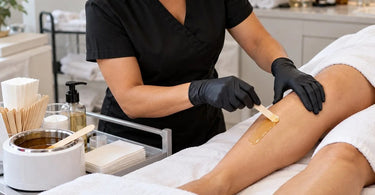
Achieve your goals faster... by keeping one sneaky little troublemaker out of your spa laundry: wax residue! Your waxing room may be spotless, your clients may be leaving smoother than a freshly polished marble countertop, and your appointment book may be beautifully full. But underneath that mountain of used towels, something sticky could be quietly destroying your linens and complicating your laundry routine. Understanding why wax residue can ruin spa laundry is essential for every professional running a busy waxing studio, salon, or spa. A little prevention can save you from stained towels, unnecessary replacements, and the frustration of pulling supposedly clean linens out of the dryer only to discover they still feel sticky.
Professional waxing is a wonderfully profitable service, but it comes with an unavoidable reality: wax gets everywhere if you are not paying attention. It lands on treatment linens, towel corners, protective coverings, uniforms, and occasionally places that seem to defy the laws of physics. While a few tiny spots may appear harmless, repeated exposure can create stubborn laundry problems that become increasingly expensive to solve.
The good news? Protecting your laundry does not require transforming your treatment room into a plastic-wrapped laboratory. A few practical habits, the right professional waxing supplies, and a smarter laundry routine can make a tremendous difference.
Why Wax Residue Is Such a Problem for Spa Laundry
Professional depilatory wax is designed to grip unwanted hair, not disappear effortlessly in a washing machine. Many waxing formulas contain combinations of resins, synthetic polymers, oils, and other ingredients that help create the consistency and adhesion needed for effective hair removal.
Those same properties can make wax exceptionally stubborn when it lands on fabric.
Unlike ordinary water-soluble dirt, many wax formulations do not simply dissolve in water. A contaminated towel can go through an entire wash cycle and emerge with some of its original residue still clinging to the fibers.
Depending on the wax formula, fabric type, temperature, and amount of contamination, residue may leave behind:
- Sticky patches that remain after washing.
- Greasy or translucent stains that become more noticeable when the fabric dries.
- Stiff areas where hardened wax has accumulated.
- Discoloration from pigments or other wax ingredients.
- A tacky feel that makes otherwise clean towels unsuitable for client services.
And because spa towels are used repeatedly throughout the workday, one unnoticed wax spot can turn into a surprisingly persistent laundry headache.
How Wax Residue Spreads From One Towel to Another
Picture this familiar scenario: a waxing specialist finishes a busy afternoon, gathers the used linens, and places everything into the laundry hamper. Most towels contain ordinary product residue, while one unfortunate towel has a generous streak of soft wax across the corner.
Everything gets washed together.
Unfortunately, wax does not always cooperate with the idea of starting fresh.
Loose or partially softened residue may transfer to adjacent fabrics during handling and washing. If the wash cycle does not remove the contamination completely, additional towels may emerge with oily marks or unwanted residue.
Transfer is not inevitable, and the risk depends on the formulation and laundry conditions. However, it is a good reason to identify visibly contaminated items before combining them with otherwise lightly soiled linens.
Separating wax-heavy towels from ordinary spa laundry prevents one particularly messy appointment from becoming everybody else's laundry problem.
Think of it as giving the troublemakers their own little time-out.
Why Your Dryer Can Make Wax Stains Worse
One of the biggest mistakes a spa can make is putting towels with visible wax residue directly into a heated dryer.
Heat can soften certain wax formulations, allowing remaining material to spread farther into fabric fibers. Meanwhile, oily components and pigments may become more difficult to remove after repeated exposure to drying temperatures.
Instead of eliminating the problem, the dryer may make a stubborn stain even more persistent.
There is also a safety consideration. Laundry containing substantial wax, oils, or other combustible product residues should never be treated like ordinary clean cotton. Contaminated textiles can present a fire hazard during heated drying, particularly when significant flammable or oily residue remains.
Always follow the laundry equipment manufacturer's instructions and the applicable product safety information. Never machine-dry heavily contaminated items unless the residue has been adequately removed and drying is permitted by the relevant guidance.
For ordinary wax spots, the safest practical habit is to inspect the fabric after washing and before using a dryer. If residue remains, repeat appropriate pretreatment or remove the item from service.
Your dryer should be finishing the cleaning process, not providing a luxurious heated vacation for leftover wax.
Hard Wax Versus Soft Wax: Does the Type Matter?
Absolutely! Understanding the differences between professional waxing products helps technicians recognize where contamination is most likely to occur.
Soft wax is commonly applied in a thin layer and removed using waxing strips. Because of its application style and adhesive properties, accidental contact with treatment linens can produce smeared patches that are difficult to remove.
Studios offering extensive body waxing services should pay particular attention to how soft wax is handled around towels and table coverings. Explore soft strip wax for professional hair removal alongside proper applicators and protective materials to maintain a controlled workstation.
Hard wax typically cools into a removable film that can be lifted without fabric strips. Drops that harden on smooth, protected surfaces are often easier to pick up than thin smears of soft wax.
However, hard wax is not magically laundry-friendly. If melted wax penetrates a towel before solidifying, removing it can still be challenging.
Professional stripless hard wax should be handled with the same attention to linen protection as other waxing products.
There is also a third category worth mentioning: sugar paste. Many traditional water-soluble sugaring formulations are easier to rinse from suitable surfaces and fabrics than resin-based waxes. Nevertheless, not every hair removal product behaves identically, and staff should always follow the manufacturer's cleaning recommendations.
The Hidden Cost of Ruined Spa Towels
One stained towel might not seem like a financial emergency. Multiply that towel by a full schedule of waxing appointments, several treatment rooms, and months of repeated linen replacement, and the picture changes.
Wax contamination can increase operating costs through several different channels.
Premature linen replacement: Towels with permanent stains, stiffness, or persistent stickiness may need to be retired before the end of their expected service life.
Additional laundry cycles: Rewashing contaminated towels consumes water, detergent, electricity, employee time, and machine capacity.
More stain-treatment labor: Someone must inspect, separate, pretreat, and evaluate those problem linens. During a busy day, that is time your team could be spending on client care or other valuable tasks.
Operational delays: A shortage of clean towels can complicate room turnover and create unnecessary stress during tightly scheduled appointments.
Client experience concerns: Even a freshly washed towel can look unprofessional if it has visible stains or hardened patches. Guests expect clean, comfortable linens that feel appropriate for the service they purchased.
Maintaining a dependable inventory of high-quality spa towels is important, but protecting that investment is just as valuable as purchasing it.
How to Remove Wax Residue From Spa Towels
Discovering wax on a towel does not automatically mean the towel belongs in the trash. The appropriate cleaning method depends on the wax ingredients, fabric construction, color, and care instructions.
For washable textiles with relatively small amounts of ordinary wax residue, consider this practical approach.
Step 1: Isolate the contaminated towel. Keep heavily wax-stained items separate from other laundry until they have been assessed. This reduces unnecessary contact with clean or lightly soiled linens.
Step 2: Allow the wax to harden. If the residue is soft, let it cool. For suitable textiles, gentle chilling may make certain wax deposits easier to remove. Avoid rubbing warm wax deeper into the fibers.
Step 3: Remove excess material carefully. Use a dull plastic scraper or similar nonsharp implement to lift hardened deposits without pulling threads or damaging the towel loops. Never use a razor blade on fabric.
Step 4: Pretreat the remaining stain. Apply a fabric-compatible laundry stain remover or liquid detergent designed for oily soils, following its label directions. Test delicate or colored fabrics in an inconspicuous area first.
Step 5: Wash according to the fabric label. Use an appropriate detergent, suitable soil setting, and the warmest water temperature allowed by the linen manufacturer. Do not assume that extremely hot water will solve the problem; it can damage fabrics and may not adequately remove every wax formula.
Step 6: Inspect before drying. Check the affected area for stickiness, oily marks, or remaining wax. If contamination persists, repeat suitable treatment rather than exposing the towel to dryer heat.
Step 7: Remove unsuccessful items from service. Some heavily contaminated towels cannot be restored economically or safely. Repeatedly washing the same hopeless towel is not a money-saving strategy.
For specialty fabrics, extensive contamination, or uncertain chemical compatibility, consult a professional laundry provider and the relevant wax manufacturer's guidance.
Why Ordinary Wax Removers Are Not Automatically Laundry Products
Here is an important distinction that can save your spa from an expensive mistake.
Products marketed as wax removers may be designed specifically for equipment, floors, countertops, warmers, or other hard surfaces. That does not mean they are suitable for towels, bedding, or professional uniforms.
Some formulas contain solvents or oils that can damage textiles, create additional stains, or leave residues that are inappropriate for machine laundering and heated drying.
Never pour a hard-surface wax cleaner directly into a washing machine unless the manufacturer explicitly approves that use.
Instead, choose cleaning products specifically labeled for the fabric and application involved. Follow dilution instructions, material compatibility guidance, and applicable safety precautions.
Pure Spa Direct carries professional waxing accessories and removers for appropriate service and equipment maintenance applications. Select each product according to its intended use rather than assuming one cleaner can tackle every sticky situation.
Prevention Starts With Your Waxing Table Setup
The most economical approach to wax-contaminated laundry is preventing unnecessary contact between wax and reusable linens.
That starts before your client even enters the room.
A professionally prepared waxing station should incorporate protective barriers in areas where drips, splatters, and product transfer are most likely.
Consider using hygienic table paper for waxing and spa tables as an appropriate disposable protective layer. Table paper can help reduce direct contact between wax and underlying treatment linens, although it should be replaced whenever soiled or compromised.
Also consider the placement of your wax warmer, applicators, strips, and waste container. Technicians should not have to reach across clean towels while carrying loaded applicators.
Keep a designated area for used implements and disposable materials. Replace protective coverings between clients as required by your sanitation procedures.
And please, resist the temptation to use a beautiful white spa towel as an emergency landing pad for a dripping wax spatula. That towel has dreams, and none of them involve becoming permanently sticky.
Small Waxing Habits That Protect Your Linens
Even experienced estheticians can develop little habits that unintentionally increase wax transfer.
For example, an overloaded applicator may drip while traveling between the warmer and the treatment area. Setting a used applicator on a towel can create an avoidable stain within seconds.
Keeping the treatment setup organized makes these problems less likely.
Use suitable professional wax spatulas and applicators, and apply controlled amounts of product. Avoid excessive loading, especially when performing detailed facial waxing or working around tight treatment areas.
Maintain wax at the temperature recommended by its manufacturer. Overheating can affect product handling and performance, while poorly positioned warmers increase the chance of accidental spills.
Browse professional wax warmers for salons and spas when outfitting a station that supports consistent product handling.
Technicians should also avoid placing used waxing strips directly onto reusable towels. A designated disposal container positioned close to the workstation makes correct disposal more convenient.
These may sound like tiny details, but they add up throughout a full day of services.
Do Not Let Post-Wax Oils Become Another Laundry Problem
Wax is not the only product that can leave spa linens looking less than fabulous.
Post-wax oils, cleansing products, massage lotions, and moisturizing formulas can also leave greasy residues on towels and treatment sheets.
Some post-wax products are intentionally formulated to help remove residual wax from the skin. That is wonderful for client comfort, but the resulting mixture of oils and wax should not be casually transferred onto reusable linens.
Use professional pre- and post-waxing products according to their instructions, applying controlled amounts and allowing appropriate absorption or removal before linens contact the treated skin.
For massage rooms, similar attention should be given to massage oils, lotions, and creams.
Linens with substantial oil contamination may require special laundering procedures and should not be placed in a heated dryer while significant combustible residue remains.
The goal is not to eliminate beautiful finishing products from your services. It is to prevent avoidable buildup and keep your laundering process appropriate for the soils involved.
Create a Spa Laundry Sorting System That Actually Works
A good laundry system should be simple enough for every employee to follow, even on the busiest Saturday of the month.
Start by identifying the different types of linens your spa generates. Waxing towels, facial towels, massage sheets, and general cleaning cloths may have very different soil profiles.
Instead of placing everything into one enormous laundry basket, establish clearly labeled collection points for different categories.
A practical system may include:
- General treatment linens: Items with normal service-related soil and no significant wax or oil contamination.
- Wax-contaminated textiles: Towels that require inspection and pretreatment before ordinary laundering.
- Oil-heavy linens: Massage and body-treatment textiles requiring appropriate laundering and drying precautions.
- Special-handling items: Fabrics requiring separate processing because of color, material, or manufacturer instructions.
Keep used linens in designated containers and handle them according to applicable workplace hygiene procedures. Do not shake contaminated textiles unnecessarily or allow used laundry to contact clean supplies.
Train employees to identify wax contamination before laundry is loaded. Give staff clear instructions about when an item should be retreated, professionally cleaned, or discarded.
Consistency is more valuable than having a complicated sorting system nobody actually follows.
Choose Spa Linens With Maintenance in Mind
Not every towel is equally suited to every professional service.
Fabric type, weave, construction, color, absorbency, and washing requirements all influence how well towels withstand repeated commercial use.
Cotton towels are widely used because of their absorbency and familiar feel. However, wax can become lodged within loops and fibers, particularly when significant residue is allowed to harden inside the pile.
Some synthetic or blended fabrics may be more challenging to clean of certain oily residues. Performance depends on the specific textile and contamination involved, so no single fabric should be assumed to be wax-proof.
For a professional waxing room, prioritize durable, washable linens compatible with your cleaning procedures.
Consider using dedicated treatment towels in colors that fit your room design while remaining practical for frequent washing. Darker colors may make certain stains less visually obvious, but they do not eliminate residue or substitute for adequate cleaning.
Explore salon and spa bedding when coordinating reusable linens with disposable protective materials.
The best towel for a waxing room is not necessarily the fluffiest one on the shelf. It is the towel that delivers client comfort while holding up to your actual operating conditions.
What About Wax Residue Inside the Washing Machine?
Heavily contaminated laundry can create problems beyond the towels themselves.
If solid wax particles or oily residues are not adequately removed before laundering, some material may collect on machine surfaces or contribute to unwanted buildup under certain conditions.
That does not mean a single wax-stained towel will automatically damage an entire washing machine. However, repeated laundering of significantly contaminated textiles is a poor maintenance practice.
Inspect laundry before loading and remove loose wax deposits whenever practical. Follow the washer manufacturer's instructions for cleaning the drum, dispensers, filters, and other serviceable components.
If you notice persistent residue, drainage problems, or unusual buildup, stop and investigate rather than repeatedly running the same contaminated loads.
Do not pour industrial solvents or equipment wax removers into the washer in an attempt to clear deposits. Use only products and maintenance procedures approved for the equipment.
A little attention to the machine that cleans your towels helps keep the entire laundry operation running smoothly.
Train Your Waxing Team to Prevent Laundry Waste
The most effective laundry prevention program begins in the treatment room, not beside the washing machine.
Every technician should understand how everyday service habits influence linen costs.
Include wax control in employee onboarding and periodic refresher training. Demonstrate proper warmer positioning, applicator handling, protective covering placement, and disposal procedures.
Show employees what a lightly stained towel looks like compared with one that requires special handling. Establish clear procedures for reporting spills and isolating contaminated fabrics.
It can also help to track why linens are being discarded. If most ruined towels come from one particular treatment station or service category, investigate that workflow rather than blaming the laundry detergent.
Sometimes the solution is as simple as moving a wax warmer, repositioning a waste bin, or adding an extra protective barrier where drips frequently occur.
A supportive training approach works better than turning every mysterious stain into a salon-wide detective investigation.
Build a Better Waxing Room With the Right Supplies
Keeping linens in good condition becomes easier when technicians have access to well-organized supplies designed for professional waxing services.
Pure Spa Direct offers a broad selection of wholesale spa and salon products from established professional brands. As a distributor, Pure Spa Direct helps waxing studios, estheticians, salons, and spas source products for their daily service operations.
Explore professional waxing collections including ItalWax hard and soft wax, wax strips and rolls, and complete waxing kits when reviewing your treatment room setup.
These products are intended to support professional waxing workflows, not to promise stain-free laundry. Thoughtful application techniques, appropriate protective materials, and correct cleaning procedures remain essential.
For additional day-to-day operating needs, browse spa essentials for professionals to organize your treatment rooms and maintain a dependable supply inventory.
Convenient access to appropriate supplies can help your team follow consistent procedures instead of improvising with whatever towel happens to be closest.
Signs Your Spa Laundry Routine Needs an Upgrade
Not sure whether wax residue is already creating problems in your business? Your laundry may be dropping some fairly obvious hints.
Watch for towels that feel sticky after washing, stains that reappear after drying, or linens that require several cleaning cycles before they seem usable.
Also pay attention to recurring shortages of clean towels, unusually frequent linen purchases, and employees regularly setting aside items that never seem to come clean.
These issues are not always caused by wax. Detergent buildup, excessive product use, inappropriate washer loading, and other laundering mistakes can create similar symptoms.
Review the entire process before deciding on a solution.
Examine what products contact the fabric, how laundry is sorted, which pretreatments are used, how washers are loaded, and whether drying procedures match the type of contamination.
Small improvements across several steps can deliver better results than simply increasing the amount of detergent in every load.
Make Laundry Protection Part of Your Spa's Profit Strategy
Professional spa laundry rarely receives the same attention as retail displays, treatment menus, or the latest skincare equipment. Yet clean linens are one of the everyday essentials that clients notice immediately.
Protecting those linens is a practical business decision.
Fewer wax-stained towels can mean less unnecessary rewashing, more predictable supply expenses, smoother treatment room turnover, and fewer last-minute laundry emergencies.
It also supports a better working environment for your employees. Technicians can concentrate on delivering beautiful services rather than wondering whether there are enough presentable towels for the next appointment.
Start with the basics: protect treatment surfaces, control wax application, separate contaminated textiles, pretreat suitable stains, and inspect laundry before machine drying.
Then build those habits into a routine the whole team can maintain.
Keep the Wax on Your Clients' Hair, Not in Your Laundry
Wax belongs in your professional hair removal services. It does not belong permanently decorating your expensive spa towels.
Understanding why wax residue can ruin spa laundry helps you recognize the small mistakes that can create bigger costs over time. From sticky fibers and stubborn stains to additional washing labor and premature linen replacement, the consequences can extend far beyond one unfortunate towel.
Fortunately, thoughtful prevention and proper laundering can significantly reduce the problem. Equip your treatment rooms with appropriate barriers, train staff to handle wax carefully, and give contaminated linens the attention they need before the next wash cycle.
When you are ready to refresh your professional supplies, explore the extensive range of waxing supplies for professionals and spa towels available through Pure Spa Direct.
Because your spa towels should be soft, clean, and welcoming. Sticky is a personality trait best left to the wax.
