
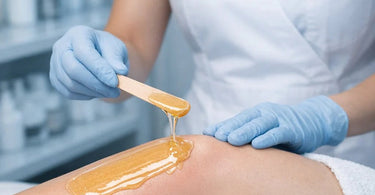
Simplify your day, amplify your impact—because let's face it, winter is basically Mother Nature's way of testing our skin's resilience. One minute your client is basking in the cozy glow of a holiday party, and the next, they're peeling off their sweater like a snake shedding its skin, revealing a landscape of flaky, tight, and irritated patches that make you want to apologize on behalf of the weather. As professionals, we know that while snowflakes are pretty, they often bring a host of winter waxing problems that can turn a routine service into a high-stakes operation. From the dreaded lifted wax (the ultimate betrayal) to the angry red protest of sensitive skin, the cold months demand we switch up our game. But fear not, beauty warriors! This guide is your hot cocoa for the soul—and your cheat sheet to keeping every client smooth, happy, and flake-free, no matter how low the mercury drops.
Winter air is like a giant, invisible sponge, soaking up every last drop of moisture from our clients' skin. Add in indoor heating (which basically turns your spa into a desert oasis, but without the fun cocktails), and you have a recipe for a waxing nightmare. Dry skin doesn't just look dull; it acts like a rebellious teenager. It's tight, lacking in elasticity, and covered in microscopic flakes that act as little shields for the hair. When you try to wax over that, the wax often grabs the dead skin instead of the hair, leading to patchy results, a nasty lift, and a client who leaves looking more Rudolph the Red-Nosed Reindeer than a glowing goddess. But we're not here to surrender to the season; we're here to conquer it with the right tools, techniques, and a little bit of humor.
The Cold, Hard Truth: Why Winter Wreaks Havoc on Waxing
Before we dive into the solutions, let's acknowledge the enemy. During winter, the skin's natural lipid barrier—the stuff that holds all that precious moisture in—gets compromised. This means the skin is not only drier but also more reactive. The combination of low humidity outside and dry heat inside creates the perfect storm for dehydration. For our clients, this translates to a buildup of dead skin cells that cling to the surface like barnacles on a ship. These cells not only clog the wax but also make the skin less flexible. When we pull the wax, instead of a clean release, we risk causing micro-tears, lifting, and that angry redness that makes us want to offer a free beverage as an apology. Recognizing this is the first step to becoming a winter waxing wizard.
Prep Like a Pro: The Secret Sauce for Winter-Ready Skin
Preparation is everything, especially when the air is trying to turn your clients into human raisins. A solid pre-wax ritual is your best defense against lifting and irritation. It’s not just about slapping on some oil; it’s about creating a ritual that soothes and preps the canvas.
Step 1: The Gentle Cleanse
Ditch the harsh, alcohol-based cleansers that strip what little moisture is left. Instead, reach for a gentle, pH-balanced pre-wax cleanser like the ItalWax Pre-Wax Gel or Dermwax Pre-Wax Cleanser Solution. These formulas remove impurities, oils, and makeup without leaving a residue, ensuring the wax adheres to the hair and not the skin. A clean slate is a happy slate.
Step 2: The Magic of Pre-Wax Oil
Here's where the magic happens. In summer, you might skip the oil to let the wax grip. But in winter, a pre-wax oil is your absolute best friend. It acts as a protective barrier between the wax and the delicate, dry epidermis. Look for lightweight, nourishing formulas like the Cirépil Pre & Post Depilatory Oil. Apply a tiny drop—and we mean a tiny drop—to the area. Massage it in lightly, then blot away any excess with a clean wipe. You want a whisper of protection, not a slip-and-slide. This barrier significantly reduces redness and the risk of the wax adhering to the skin, preventing that awful lifted feeling.
Step 3: Exfoliation (But Not Too Much!)
We all know exfoliation is key to preventing ingrown hairs, but timing is crucial in winter. The goal is to remove the dead skin flakes without creating micro-tears that will react to the wax. Encourage your clients to use a gentle scrub, like a sugar scrub or a chemical exfoliant with lactic acid, 24 to 48 hours before their appointment. This gives the skin time to calm down. Avoid any exfoliation on the day of the service. If a client shows up with skin that looks like it's been through a sandpaper factory, it's your professional duty to kindly reschedule or use an ultra-gentle, non-abrasive prep step to smooth the surface without causing further trauma.
Choosing Your Weapon: The Best Wax for Winter Warriors
Not all waxes are created equal, and choosing the wrong one in winter is like wearing flip-flops in a blizzard—technically possible, but why would you? You need a wax that is gentle, flexible, and hydrating. This is the time to swap out those aggressive, high-temperature soft waxes for something a little more luxurious.
The Case for Hydrating Hard Wax
Hard wax, or stripless wax, is the MVP of winter waxing. Because it adheres to the hair, not the skin, it is far less traumatic. Look for formulas infused with nourishing ingredients like coconut oil, shea butter, or argan oil. These waxes glide on smoothly, shrink-wrap the hair, and remove with a satisfying snap that leaves the skin intact. Our top picks for winter include the Cirépil Boudoir Hard Wax, enriched with coconut oil for a hydrating and gentle experience, perfect for even the most sensitive areas. For larger body areas, a creamy film wax like the ItalWax Full Body Wax is a dream, offering flexibility and a lower melting point to minimize thermal shock. The Starpil Blue Hard Wax is another favorite for its gentle grip and soothing properties.
Soft Wax: Proceed with Caution
If you're a loyalist to soft strip wax, you can still use it in winter, but proceed with care. Soft wax can be stickier and more likely to adhere to that dry, flaky skin, causing lifting and redness. If you choose to use it, your pre-wax prep becomes even more critical. Ensure the skin is perfectly clean, dry, and protected with a pre-wax oil. Work in small sections and use a light touch. For large areas like legs, a high-quality soft strip wax from a reputable brand like Lycon or Gigi can still deliver results, but the technique must be impeccable.
Technique Tweaks: Mastering the Winter Pull
Your application and removal technique can make or break a winter wax. This is not the time for speed; it's the time for precision and empathy.
- Test the Temp: Dry skin is more sensitive to heat. Always test the wax temperature on your wrist before applying to the client. A wax that feels "just warm" in summer might feel like lava on parched winter skin.
- Apply Thin Layers: Whether you're using hard or soft wax, keep those layers thin. A thick layer of wax increases the surface area and can cause more trauma upon removal. Thin layers ensure even adhesion to the hair and a cleaner, less painful pull.
- Hold the Skin Taut: This is always important, but in winter, it's non-negotiable. As skin loses elasticity, you must hold it taut to prevent it from lifting with the wax. Get a good grip, stretch the skin, and pull the wax in one swift, confident motion parallel to the skin. Don't be afraid to involve the client—ask them to help hold the skin in tricky areas like the armpit or bikini line.
- Work in Small Sections: Larger sections mean more stress on the skin. Break down the body into smaller, manageable areas, especially on the face and sensitive zones. This allows you to maintain control and ensures you're not overstressing any one area.
The Grand Finale: Post-Wax Care to Soothe and Hydrate
Your job isn't over when the last strip is pulled. The post-wax routine is where you lock in hydration, calm the skin, and set the stage for a perfect, bump-free regrowth.
Immediate Aftercare
As soon as the waxing is done, apply a soothing, hydrating product. Look for formulas containing aloe vera, chamomile, or green tea to reduce redness and inflammation. A cooling serum like the ItalWax Post-Wax Calming Lotion is perfect for this. It hydrates without being greasy and helps to calm that immediate sting. Avoid any products with alcohol, fragrance, or heavy oils that could clog the newly exposed pores.
Educate Your Clients (The Fun Part)
Send your client home with a game plan. Tell them, “Okay, you’re smooth as a dolphin, but let’s keep it that way.” Give them these crucial winter aftercare tips:
- Skip the Heat: No hot showers, saunas, steam rooms, or intense workouts for 24 hours. Sweat and heat will only irritate the skin and can lead to breakouts. They can still be cozy, just not in a hot tub.
- Loose Clothing is Your Friend: Tight jeans and synthetic fabrics are the enemy. Loose, breathable cotton allows the skin to breathe and prevents friction.
- Hydrate from the Inside Out: Remind them to drink water! Skin hydration starts internally. Also, recommend they use a gentle, fragrance-free moisturizer like a nourishing body butter (after the 24-hour mark) to keep the skin supple.
- Hold the Exfoliation: No scrubs or loofahs for at least 48 hours. The skin is sensitive and needs time to recover. After that, gentle exfoliation 2-3 times a week is key to preventing those winter ingrown hairs.
- Retail, Retail, Retail: This is the perfect opportunity to recommend high-quality retail products. Send them home with a gentle ingrown hair serum and a rich body lotion. It shows you care, and it boosts your bottom line. Win-win.
When to Say "Not Today"
Sometimes, the best service you can offer is to say no. If a client’s skin is severely dry, cracked, sunburned, or showing signs of eczema or psoriasis, waxing is off the table. Waxing over compromised skin can lead to tearing, infection, and a very unhappy client. Instead, offer them a soothing, hydrating treatment and reschedule their wax for when their skin barrier is restored. They will appreciate your professionalism and knowledge, and they'll trust you even more for future appointments.
Conclusion: Conquer the Cold with Confidence
Winter waxing doesn't have to be a season of dread. By shifting your mindset, tweaking your protocols, and arming yourself with the right products from Pure Spa Direct, you can turn those winter woes into winter wins. From the gentle touch of a hydrating hard wax to the protective barrier of a quality pre-wax oil, every step you take is a step toward flawless, comfortable results. So embrace the cold, stock up on your favorite ItalWax and Cirepil, and get ready to give your clients the gift of smooth, glowing skin all winter long. Remember, you're not just a waxer; you're a skin hero in a season that desperately needs one. Now go forth, hydrate, and wax like the champion you are!
