
Great results begin with great choices... and if you've ever had a client wince as their thumbnail snaps opening a soda can, you know the choice of a nail strengthener is a serious one. Brittle nails are a universal woe, affecting about 20% of people and feeling like a personal betrayal to anyone who just wants a simple, elegant manicure to last. For years, many hardeners relied on formaldehyde, a powerhouse ingredient that creates a rock-hard shield. The problem? That shield doesn't bend. Over time, it can make nails paradoxically more brittle and prone to dramatic splits, not to mention the risk of allergic reactions. Today's savvy clients are asking for safer, smarter solutions that fortify without the fallout. For the professional, this isn't just a product swap; it's an upgrade in service, safety, and client trust. Let's dive into the modern, formaldehyde-free arsenal that lets you turn fragile tips into forces of nature.
The shift away from formaldehyde isn't just a trend; it's backed by better science and a demand for holistic nail health. Formaldehyde works by cross-linking keratin proteins, which is fantastic for immediate hardness but terrible for long-term flexibility. Think of it like starched cardboard—strong until it gets wet or bent, then it crumbles. The new generation of hardeners uses advanced polymers, nourishing proteins, and moisture-binding ingredients that work with the nail's natural structure. These formulas aim to add resilience, not just rigidity. This is crucial because a healthy nail needs to withstand impact without shattering. By offering these advanced treatments, you position your salon as a forward-thinking, client-focused haven. Plus, navigating this category successfully means you can confidently recommend products from your retail shelf, creating an additional revenue stream. It all starts with understanding what you're really applying.
Decoding the Formaldehyde-Free Ingredient Powerhouse
So, what exactly is in these modern miracles? The ingredient lists read more like a skincare serum than an old-school lacquer. Here's a breakdown of the key players you'll find in top-performing, professional-grade formulas.
Hydroxypropyl Chitosan: This is a superstar derived from shellfish chitin. It forms a breathable, protective film over the nail plate that is both flexible and resistant to water and abrasion. More than just a barrier, studies have shown it can lead to clinically relevant improvements in nail appearance for those with brittleness. It's often a key ingredient in leave-on treatments meant to be worn overnight for intensive repair.
Poly-Ureaurethane: This is a hydrophobic (water-repelling) polymer that acts as a brilliant moisture-trapping jacket. By coating the nail, it seals in hydration from treatment serums and prevents external moisture (like from frequent handwashing) from swelling and then drying out the nail layers, which is a prime cause of peeling. It's excellent for addressing splitting and fragility.
Bond-Repair Technology: Borrowed from the revolutionary world of hair care, ingredients like those in ePhD work on a molecular level to repair the disulfide bonds within the nail' s keratin structure. This isn't about coating; it's about fundamentally rebuilding strength from within, leading to stronger, more resilient nails over time.
Nourishing Actives: This is where the "treatment" truly shines. Look for blends of Calcium and Keratin for building-block support, Hydrolized Wheat and Soy Proteins to fill ridges and smooth the surface, and vitamins like Biotin, and E for overall nail health. Panthenol (Pro-Vitamin B5) and Hyaluronic Acid are humectants that attract and bind moisture to the nail plate, combating dryness at the source.
The Professional's Toolkit: Types of Treatments & Their Best Uses
Not all hardeners are created equal, and matching the product type to the client's specific needs and lifestyle is where your expertise shines. Here's how to navigate the options.
1. Strengthening Treatments & Serums: These are the workhorses of serious repair. Think of them as intensive care. Products like the Dr. Dana Nail Renew System or the Kapa Nui Natural Nail Repair are designed for use on bare nails, often as a multi-step process or overnight treatment. They typically contain high concentrations of reparative ingredients like hydroxypropyl chitosan or bond builders and are meant to be absorbed, not just sit on top. They're ideal for clients on a "nail detox" from gels or acrylics, or those with severe peeling and splitting. The cuticle oil is a non-negotiable partner here, as hydrated cuticles are the foundation of healthy nail growth.
2. Hardening Base Coats: This is the versatile crowd-pleaser. Formulas like OPI's Nail Envy Sensitive & Peeling or Essie's Strong Start are designed to be worn under regular or gel polish as a protective barrier. They create a hard, glossy layer using film-formers like nitrocellulose, but without formaldehyde. They're perfect for the client who wants a manicure but knows their nails need help. They also offer a fantastic retail opportunity—you can apply it in-service and then sell the bottle for at-home maintenance. Pair it with a professional gel polish system for a durable, beautiful result.
3. Nail Hardening Polishes: These are the all-in-one solutions that provide both treatment and a finished look. Brands like Dermelect make fantastic options that offer a sheer, often tinted, wash of color while delivering strengthening ingredients. They're great for clients who want to skip color but hate the look of bare, discolored nails. They can be worn alone and built up with multiple coats for more opacity. It's like a treatment and a manicure in one bottle—efficiency your clients will love.
4. Nail & Cuticle Oils: Never underestimate the power of hydration! Brittle nails are often just desperately thirsty. A rich cuticle oil with jojoba, sweet almond, or apricot kernel oil, used daily, can transform nail flexibility and prevent hangnails and cracking. It's the simplest, most foundational step in any nail health regimen. Keep a bottle at your nail table and use it as the final, luxurious step in every manicure.
Building a Brittle Nail Protocol in Your Salon
Turning this knowledge into a profitable and popular service is the goal. Here's a step-by-step protocol you can adapt.
Step 1: The Consultation & Assessment. Start with a visual and tactile assessment. Are the nails peeling in layers (onychoschizia)? Splitting at the tips? Thin and soft? Ask about their habits: frequent gel manicures, handwashing, exposure to chemicals, or even diet. This shows you care and helps you choose the right product. Have your magnifying light ready for a close look.
Step 2: The Safe Prep. This is critical. Gently push back cuticles. Lightly buff the nail surface to remove the shiny top layer and allow for better product adhesion, but never over-file or thin the nail plate. Cleanse with a non-oily remover to ensure a perfectly clean canvas. All your nail files and buffers should be sanitized or disposable.
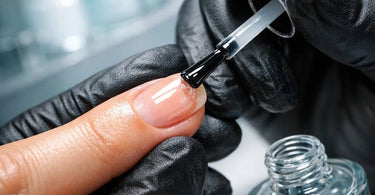
Step 3: The Targeted Treatment Application. This is where you choose based on the assessment. For severe damage, apply a reparative serum and let it absorb. For a standard manicure, apply your chosen formaldehyde-free hardening base coat in thin, even layers, capping the free edge. For a no-polish service, a tinted hardener or nourishing oil might be the star. Use quality nail brushes and tools for precision.
Step 4: The At-Home Prescription. Your service doesn't end when they leave the chair. Sell them the products! Create a mini regimen: "Use this serum every night for two weeks, and this oil every morning." It builds loyalty and ensures results. Having a well-stocked retail shelf with these items is key.
Step 5: The Follow-Up. Schedule their next appointment before they leave. "Let's see you in three weeks to assess progress and give you a fresh treatment." This builds a relationship and turns a one-time fix into an ongoing wellness service.
Why Your Salon Should Make the Switch (Beyond Being Nice)
Offering formaldehyde-free hardeners isn't just the kinder choice; it's the smarter business move. First, it drastically reduces your liability risk from potential allergic reactions (contact dermatitis) that formaldehyde can cause. Happier, safer clients mean fewer headaches for you. Second, it positions your brand as modern, ethical, and health-conscious—a huge selling point in today's wellness-focused market. Clients actively seek out salons that prioritize safe products. Third, these treatments often require a more nuanced application and follow-up, allowing you to charge a premium for a "Specialized Nail Rehabilitation" service. Finally, by being the expert who guided them to stronger, healthier nails, you secure a client for life. They'll trust you for all their manicure essentials and even refer their friends.
So, the next time a client presents you with a set of nails that could double as tissue paper, smile. You're not looking at a problem; you're looking at an opportunity. An opportunity to educate, to provide a genuinely beneficial service, and to sell products that truly work. With the right formaldehyde-free tools from your professional nail care collection, you can turn their nail nightmare into a strength-and-glory story. Now that's a happy ending (and a strong one) worth booking.
