
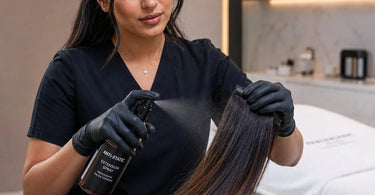
The right tools for better days... and the right knowledge to banish those clingy, flyaway synthetic strands that make both stylists and clients want to pull their own hair out! We have all been there: you are doing a beautiful install or a quick restyle, and suddenly those gorgeous synthetic hair extensions are reaching for the ceiling, sticking to the client's face, and basically acting like they have a mind of their own. It is not just annoying; it is unprofessional, it slows down your service, and it can ruin the entire look you are trying to achieve. But do not you dare reach for that can of hairspray just yet, because we are about to drop some serious knowledge on how to zap that static for good and keep your chair turning over with happy, frizz-free clients.
Static electricity in synthetic hair is a real beast, especially in dry climates or during those winter months when the air inside your salon feels like a desert. Unlike natural hair, which has some moisture and natural oils, synthetic fibers like kanekalon or toyokalon are basically plastic. And plastic loves to hold an electric charge. When you brush it, comb it, or even just touch it on a dry day, electrons jump around and create that infamous static cling. But fear not, brave stylist! Neutralizing this electrical nightmare is simple once you know the rules. We are going to cover the best products, the pro techniques, and even a few hilarious home remedies (spoiler: yes, a dryer sheet is involved) to help you master static control and keep your extensions looking sleek, smooth, and perfectly touchable.
Why Do Synthetic Extensions Get So Static-y Anyway?
Before we fix the problem, lets talk about the science for just one second, because understanding the enemy is half the battle. Synthetic hair does not have a cuticle like human hair that can swell or close. It is a man-made fiber engineered to look and feel like real hair. Because it is non-porous and generally hydrophobic (it repels water), it cannot hold onto moisture from the air or your hydrating products. This lack of moisture means friction builds up instantly. Running a brush through dry synthetic hair is like dragging your feet across a wool carpet in rubber-soled shoes—zap! You have created a giant electrical charge, and those strands are now repelling each other and sticking to everything they touch. The result? A poofy, messy, impossible-to-style disaster.
You will notice static is ten times worse right after you peel the protective film off a new set of extensions, or after you have washed and dried them. This is because the manufacturing process and the drying process strip away any temporary anti-static agents. So, what is a busy salon professional to do? You could just throw your hands up and declare a state of emergency, or you could follow these pro-tested, battle-hardened best practices. Trust us, your sanity and your clients' patience will thank you.
The Number One Rule: Moisture is Your Best Friend (Even for Plastic Hair)
We just told you that synthetic hair is plastic and does not absorb water, so we can hear you screaming, "Then how the heck is moisture supposed to help, Doug?!" Good question, imaginary angry stylist! While synthetic fibers wont absorb moisture like a sponge, a light mist of water creates a conductive barrier on the surface of the strands. This allows the built-up electrical charge to dissipate rather than sitting on the fiber waiting to explode. The trick is using the right kind of moisture. Tap water works in a pinch, but it dries super fast and leaves hard mineral deposits that can dull the shine of your extensions. Instead, keep a spray bottle filled with distilled water and a single drop of liquid fabric softener (or a specialized extension conditioner) at your station. A very fine mist over the hair before you brush or style will instantly knock out 90% of your static issues.
For those of you who want to get fancy (or who hate the smell of fabric softener), there are amazing professional products specifically designed for synthetic fibers. Look for anti-static sprays or wig conditioners. At Pure Spa Direct, we recommend checking out our selection of wig care products which work miracles on synthetic extensions. Just spray lightly, shake the extensions out gently, and watch the magic happen. Remember: less is more. You do not want the hair to be soaking wet, just lightly damp to the touch. We call this the "ghost of a mist." Not too scientific, but very effective.
Tools of the Trade: What to Use and What to Toss
Believe it or not, that cheap brush you have been using since beauty school might be the culprit behind your static nightmare. Metal bristled brushes are enemy number one for synthetic hair. Metal conducts electricity, so every single stroke is building up a new charge. You might as well be brushing the hair with a Van de Graaff generator. Put it down. Back away slowly. Instead, you need tools that are either insulators or antistatic by nature. Your new best friends are wooden bristle brushes. Wood does not conduct electricity, meaning it wont add to the charge. Similarly, boar bristle brushes (mixed with nylon pins) are excellent because the natural boar bristles help distribute what little oil is present and reduce friction.
Also, consider your combs. Wide-tooth carbon combs or seamless metal combs are okay, but you really want to look for static-dissipating materials. Believe it or not, some of the best combs for synthetic hair are made from celluloid acetate or rubber. Keep a Wet Brush (the original ones with the ultra-soft bristles) on hand; they are specifically designed to glide through hair without creating friction. Using the right tool is not just about static; it's about preserving the integrity of the extension. Rough brushes will fray the ends of synthetic fibers, causing them to fuzz and look cheap. Smooth tools = smooth hair = smooth static.
The Dryer Sheet Hack: Does It Actually Work?
Okay, lets address the elephant in the room. You have seen the TikToks. You have heard the whispers in the breakroom. Do dryer sheets actually neutralize static in synthetic hair? The short answer is yes, but with a major caveat. Dryer sheets work by coating fabrics (or in this case, synthetic hair) with a thin layer of positively charged wax-like substance. Since static cling is caused by a negative charge, the dryer sheet balances it out. Boom, static gone. Sounds perfect, right?
Here is the catch: that waxy residue builds up fast. If you rub a dryer sheet on your client's beautiful, silky extensions, it might stop the flyaways for ten minutes, but by the end of the day, that hair is going to look dull, greasy, and heavy. Plus, some clients are sensitive to the perfumes and chemicals in laundry products. So, what is the verdict? Use the dryer sheet trick ONLY in an emergency, and ONLY on the underside of the hair or on the weft itself. Do not rub it all over the visible lengths. A better alternative? Keep a dedicated anti-static spray or a steamed towel in your kit. Rubbing a slightly damp, warm towel over the extensions is a pro-level move that eliminates static without any chemical residue. Plus, it looks much more sophisticated than pulling a Bounce sheet out of your apron pocket.
Environmental Controls: Fixing the Air in Your Salon
Sometimes the problem isnt the hair or the brush; it is the room itself. If your salon or barber shop has extremely dry air due to running the heat all winter or blasting the AC all summer, you are fighting an uphill battle. Dry air is a terrible conductor, so static charges just sit there looking for trouble. The fix? Humidity. You dont need to turn your salon into a rainforest, but adding a small humidifier to your styling area can work wonders. Even a decorative tabletop fountain can add enough moisture to the immediate environment to keep those electrons in check.
Another pro tip: consider your flooring and your shoes. If you are standing on a synthetic carpet pushing a metal chair around, you are a static factory. Look into anti-fatigue mats that are static-dissipative, or even just keep a small spray bottle of water mixed with fabric softener to spritz the air (not the client!) around your station. We know it sounds a little woo-woo, but controlling the static in the air before it hits the hair is a game-changer. You can find affordable humidifiers and ionic air purifiers in our spa essentials section that will keep your whole space feeling fresh and static-free.
Washing and Drying Techniques to Prevent Static Buildup
How you wash your synthetic extensions determines how much static they will produce later. Never, ever use hot water. Hot water opens up the porous structure of synthetic fibers and makes them rougher, which increases friction. Always wash in cool to lukewarm water with a gentle, sulfate-free shampoo. But here is the secret weapon: fabric softener. Yes, the same stuff you put in your laundry. After washing, soak the extensions in a bowl of cool water with a capful of liquid fabric softener for 10-15 minutes. This deposits a microscopic anti-static layer that lasts for several wears. Rinse them lightly (do not rinse all the softener out) and then lay them flat on a microfiber towel to dry.
Do not wring them out! Wringing crushes the fibers and creates kinks and friction points. Roll them up in the towel like a burrito and squeeze gently. Then, and this is crucial, air dry them completely before you even think about brushing them. The number one cause of static damage is people brushing synthetic hair while it is still slightly damp. That combination of moisture imbalance and friction is a static nightmare. Be patient, let them breathe, and you will be rewarded with silky, static-free results. While you wait, maybe go clean your waxing station or restock your massage oils—we know you have a million things to do!
Finishing Products That Fight Static (And One That Makes It Worse)
Once the extensions are installed or clipped in, you might be tempted to reach for a shine spray or a hairspray to finish the look. Stop right there. Check the label. If it contains alcohol, put it back on the shelf and slowly walk away. Alcohol is a drying agent. It will suck every last molecule of moisture out of the synthetic fiber and crank the static up to eleven. Instead, look for silicone-based serums or shine sprays. Silicone coats the hair in a slick, frictionless film. Less friction means less static. Pure silicone oil (like dimethicone) is actually one of the best anti-static agents you can buy. Apply a tiny drop to your hands, rub them together, and smooth it over the surface of the extensions. It will instantly eliminate static and leave a beautiful, healthy shine that looks completely natural.
For those of you who prefer a spray format, we carry a variety of anti-frizz and anti-static sprays in our hair care collection. Just remember to hold the can about ten inches away from the hair and spray lightly. Over-application of silicone can cause buildup, which requires a clarifying wash to remove. But in moderation, it is the ultimate secret weapon for a sleek, professional finish that will survive the walk from your chair to the front door without a single strand floating toward the ceiling.
The Ultimate Pro Routine: Your 3-Step Static Defense
Lets wrap this up with a simple, actionable routine you can start using today. Step one: Prep. Before you even touch the extensions, mist your cushion brush or wide-tooth comb with an anti-static spray. This primes the tool to kill static on contact. Step two: Hydrate. Give the synthetic hair a very light mist of distilled water or extension conditioner. Work in small sections and brush from the bottom up. Step three: Seal. Apply a pea-sized amount of silicone serum to the mids and ends, avoiding the root area (especially for taped or bonded extensions). Style as desired. That is it. Three steps, maybe sixty seconds of extra work, and you go from "spicy static mess" to "silky smooth goddess."
And do not forget to check out all the professional styling tools available at Pure Spa Direct. Whether you need new shears, clippers, or just a reliable towel steamer to keep your linens warm and fluffy, we have got your back. Static is annoying, but it doesn't have to ruin your day or your client's experience. With these best practices for neutralizing static in synthetic hair extensions, you are now fully armed to face the driest winter day or the most staticky budget hairpiece. Go forth, style boldly, and may your flyaways be few and far between! And remember, if all else fails, just blame the weather. Clients always buy that excuse.
