
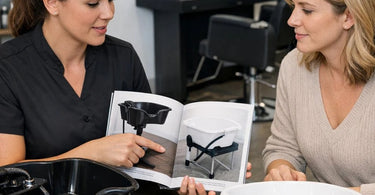
Maximize your potential with the freedom to wash, rinse, and refresh anywhere your business takes you. Portable shampoo stations have become the unsung heroes of the modern beauty world, liberating stylists, barbers, and estheticians from the tyranny of fixed plumbing. But let's be real for a second: not all basins are created equal. Choosing the wrong basin is like showing up to a wax appointment with cold hard wax and a plastic spoon—it's messy, uncomfortable, and your clients will definitely not come back. Whether you're a solo mobile stylist working in clients' homes, a bustling barbershop adding a second chair, or a luxury spa that needs a temporary setup for a special event, picking the right basin is your first step to a standing ovation—or at least a really happy, relaxed customer with a clean head of hair.
We at Pure Spa Direct have seen it all. We've watched brave professionals try to use a kitchen sink adaptor (disaster), a gardening watering can (heroic but no), and even a dog grooming tub (please don't). That's why we're here to help you make a smart, profitable, and frankly hilarious-in-hindsight decision. Let's dive into the wonderful world of portable shampoo basins, from materials to size, drainage, and even the little luxuries that will have your clients booking their next appointment before they've even sat up.
1. The Great Material Debate: Plastic vs. Stainless Steel vs. Ceramic
First things first: what is your basin actually made of? This isn't just about looks; it's about your back, your budget, and how many times you want to explain to a client why their head feels like it's resting on a cheese grater. The three main contenders are plastic, stainless steel, and ceramic. Each has its own personality, price point, and pain point.
Plastic basins are the lightweight champions of the mobile world. They're affordable, easy to clean, and won't shatter if you bump them against a doorframe (which you will). However, lower-quality plastic can stain from hair dye faster than a white towel in a professional hair color session. Look for high-density, non-porous ABS plastic. Stainless steel is the rugged workhorse—hygienic, virtually unbreakable, and immune to stains. The downside? It can be noisier (echoey water sounds) and colder against the neck. A good neck pillow solves the chill factor instantly. Ceramic basins are the divas of the group—gorgeous, heavy, and breakable. They scream 'high-end spa' but they're not practical for a stylist who parks three blocks away. Choose based on where you work, not where you dream.
2. Size Matters (And So Does Neck Comfort)
You'd be amazed how many pros buy a basin that's clearly designed for a giant. A basin that's too deep forces you to hunch over, destroying your posture and leaving you feeling like Quasimodo by lunchtime. A basin that's too shallow sends water cascading down Mrs. Patterson's cashmere sweater—and that's a liability lawsuit waiting to happen. The ideal portable shampoo basin size should have a neck curve that cradles the client's cervical spine without craning it forward. Measure your own forearm and the average client's head circumference. For most adults, a basin with an internal length of 12-14 inches and a width of 10-12 inches is the sweet spot.
Don't forget the neck rest! A smooth, rounded front edge with a gentle contour is non-negotiable. Some basins come with removable, padded neck inserts—these are gold. They're washable, replaceable, and they make your client feel like they're at a five-star resort rather than a pop-up in a garage (no judgment—we all start somewhere). If you're offering professional hair services that take longer than 30 minutes, like a full bleach and tone, that little bit of padding will be the difference between a repeat client and a one-star Yelp review about neck pain.
3. Drainage Drama: Gravity vs. Pumped Systems
Here's where things get technical—but I promise to keep it funnier than a plumbing manual. Portable basins work in two main ways: gravity-fed drainage or electric pump drainage. A gravity system relies on the basin being higher than the waste bucket. The water flows downhill (thank you, physics) through a hose into a container on the floor. These are simple, cheap, and impossible to break electronically. The downside? You need the basin at least waist-high, and you'll be lugging a heavy bucket of dirty water to the toilet after every few clients. If you're a mobile massage therapist doing scalp treatments, this can be a literal pain in the glutes.
Electric pump systems are the luxury SUVs of the portable world. A small, quiet pump pushes the wastewater up and out into a container or even directly into a sink or toilet drain. No lifting, no gravity positioning, and no awkward 'honey, where's your bathroom?' conversations. However, pumps can fail, they need batteries or an outlet, and they add weight. For a full-service salon suite or a busy barber, the pump is worth every penny. For a once-a-week house-call stylist, gravity might be your budget bestie. Just remember to clean your hoses regularly unless you enjoy the scent of swamp water mid-shampoo.
4. Hot Water Heroes: On-Demand Heaters vs. Pre-Heated
Cold water on the scalp is a form of torture banned by the Geneva Convention. Your clients agree. So how do you get warm water without a tankless water heater in your trunk? Portable shampoo stations either come with a built-in on-demand water heater (typically electric or battery-powered) or they rely on you bringing pre-heated water in a thermos or insulated jug. The on-demand heater is the professional's choice. It's a little box of magic that heats water as it flows, giving you consistent 100°F temperatures for as long as you need. These are common on higher-end units like the Spa Masters portable stations. They cost more upfront, but they also make you look like a wizard.
If you're on a shoestring budget (no shame—startup life is real), a high-quality insulated 2-gallon water jug and a thermometer will do the job. Just remember to test the temp on your inner wrist—scalding a client is a fast track to a lawsuit and a very bad day. And never, ever use water straight from a tap that's been sitting in your car for three hours in Florida summer. That's not a shampoo; that's soup. For barbershop services that include multiple hot towel treatments, a heated basin system is a game-changer that pairs beautifully with towel steamers for the ultimate pampering experience.
5. Portability Features: Wheels, Handles, and Weight
You're buying a portable station, which means you're moving it. Possibly up stairs. Possibly in the rain. Possibly while also carrying a duffel bag of premium hair care products and a facial steamer. Weight is everything. A full portable shampoo station with a 5-gallon fresh tank and 5-gallon waste tank can weigh 60+ pounds. Look for basins that are part of a wheeled cart system with locking casters. Those little wheels should be large enough to roll over a sidewalk crack without spilling grey water. Also, check the handle placement. A telescoping handle like a suitcase is worth its weight in gold. Fixed handles that stick out? You'll catch them on every doorframe, and your knuckles will not forgive you.
Consider the shape of the basin itself. Some portable units have a 'nesting' basin that detaches from the cart, making it lighter to carry separately. Others are all-in-one tanks that are a beast to lift. For lash and brow professionals who only need a small rinsing basin for tint removal, a compact, lightweight basin on a folding stand is perfect. For a full-service nail technician offering scalp massages? Get the heavy-duty cart. And please—test the stability. Nothing says 'unprofessional' like a basin that wobbles every time the client shifts their weight. Pure Spa Direct carries brands like Prosana and Belava specifically because their wheels don't suck.
6. Easy-Clean Surfaces: The Anti-Gunk Crusade
Let's talk about the gross stuff. Hair clogs, dye drips, oil residue, and that mysterious orange sludge that appears after a henna treatment. Your basin's surface material directly affects how much elbow grease you'll need to invest. Smooth, seamless, non-porous surfaces are the dream. Avoid any basin with seams, crevices, or textured finishes where bacteria can throw a party. ABS plastic with a glossy finish is great—spray a disinfectant, wipe, done. Stainless steel is also excellent but can show water spots. Ceramic is glorious but heavy and porous if not properly glazed. Whatever you choose, make sure it's compatible with professional cleaners and disinfectants. Harsh chemicals can craze cheap plastic, making it look 20 years old after two weeks.
Look for a basin with a removable drain screen or hair trap. This little plastic disc is your best friend. Without it, hair slides into your pump or hose, and you'll be learning how to disassemble plumbing on a Sunday night while crying over a YouTube tutorial. With it, you just pop it out, tap the hair into the trash, rinse, and smile. Also, consider the color of the basin. White looks amazing in photos but shows every speck of dye. Dark gray or black hides stains but can make it hard to see if you've actually cleaned it properly. A nice compromise is a soft beige or light taupe—hides the dirt, shows the grime.
7. Compatibility with Accessories (Because You Know You Want Them)
A basin alone is just a fancy bowl. A basin with the right accessories is a profit center. Does your basin have a built-in holster for a shampoo sprayer? Can you attach a flexible hose with a shampoo nozzle that has different spray patterns? Is there a place to hang a towel or drape a spa blanket? These little details separate a 'meh' station from a 'holy cow, you're a genius' station. The best portable basins have standard threaded connections, so you can swap out sprayers and hoses easily. Proprietary fittings are the devil—avoid brands that force you to buy their specific overpriced replacement parts.
For the waxing professional who also offers shampoo services (unlikely but hey, you do you), consider a basin that can double as a utility sink for rinsing spatulas or cleaning wax strips. For the massage therapist, a basin with a padded armrest and a place to hold aromatherapy oils makes scalp massage treatments feel like a full-body experience. Pure Spa Direct's search function lets you filter by accessory compatibility, so you're not stuck playing 'will this fit' roulette.
8. Noise Level: Shhh, The Client Is Relaxing
Nobody wants to pay $75 for a 'relaxing scalp treatment' that sounds like a garbage disposal eating a fork. The pump, the water flow, and even the basin's material affect noise. Stainless steel tends to echo—every drip sounds like a drum solo. Plastic with a rubberized coating or a silicone basin insert dampens sound significantly. Electric pumps vary wildly in decibel level. Some sound like a contented cat purring; others sound like a tiny lawnmower. Read reviews! If multiple people say 'loud pump', believe them. Gravity systems are virtually silent aside from the gentle glug-glug of water draining—very ASMR, very chic.
If you buy a noisier system, you can mitigate the sound with a few hacks: place a rubber mat under the pump, wrap the hoses in foam insulation (looks weird, works great), or simply play aromatherapy music a little louder. But honestly, invest in a quiet system from the start. Your clients will notice the difference, and you won't have to shout 'RELAX, IT'S JUST THE PUMP' over the mechanical whirring. For spa body treatments that include hair washing, silence is literally golden.
9. Budget Breakdown: Cheap vs. Mid-Range vs. 'I'm Rich, Honey'
You can spend anywhere from $80 on a basic gravity basin to $1,500 on a fully-loaded electric pump station with a heater, wheels, and a built-in LED light (yes, that exists). Here's the unvarnished truth: the $80 basin is fine for a teenager washing their friend's hair in a dorm room. For a professional, it's a frustration machine. Cheap basins often have sharp edges, flimsy hoses, and drain plugs that leak. Mid-range ($200-$500) is the sweet spot for most solo pros. You get decent plastic or thin stainless steel, a reliable gravity or basic pump system, and acceptable ergonomics. If you're running a salon suite or a multi-chair barbershop, step up to the $600-$1,000 range. That gets you commercial-grade materials, a whisper-quiet pump, and a warranty that actually means something.
And here's a pro tip from the Pure Spa Direct team: don't forget to budget for high-quality towels and hygienic table paper. A fancy basin doesn't matter if you're drying faces with sandpaper. Also, consider durable bottles and jars for your shampoos and conditioners. Pump bottles that fit neatly into the basin's built-in caddies are a small luxury that will save you 47 'where did I put the purple shampoo' moments per week.
10. Real-World Scenarios: Which Basin For Which Pro?
Let's get specific because you have a life to run. Mobile Stylist: You need lightweight, collapsible, or easy-carry. A plastic gravity basin (5-8 lbs) with a small water tank on a folding cart. Look for mobile stylist shampoo basin options that fit in a standard backseat. Barbershop Owner: You need durability and speed. A stainless steel basin with a pump system and a large waste tank. You'll go through 20 clients a day—your gear needs to keep up. Lash & Brow Artist: You need a tiny basin for rinsing tint or cleanser. A countertop mini-basin with a small gravity drain is perfect. Search for lash brow rinse basin. Spa Owner: You need luxury and quiet. A ceramic bowl-style basin on a heated, wheeled cart with a padded neck rest and a silent pump. Your clients pay $200 for a hydrodermabrasion facial—they expect the best.
And for the brave pedicure chair tech who also offers shampoo services in a dual-purpose suite? You'll want a basin with a long hose so you can wash hair while the client is still in the pedicure chair. Yes, it's weird. Yes, it's possible. Yes, Pure Spa Direct has a search for that. Just type 'extra long hose shampoo basin' and prepare to be amazed.
Choosing the right basin for your portable shampoo station isn't rocket science—it's just common sense with a splash of personal preference and a dash of budget honesty. Start with your most common use case (house calls? salon suite? event pop-up?) and work backwards. Prioritize neck comfort, drainage ease, and material quality. Don't be seduced by a pretty ceramic basin if you have to carry it up four flights of stairs. And for the love of all that is holy, test the noise level before you buy. Your ears—and your clients' peaceful expressions—will thank you.
Ready to make a splash? Pure Spa Direct has hundreds of basins, portable stations, and accessories to fit every style, budget, and bad back. Whether you need a full professional salon equipment overhaul or just a single replacement hose, we've got you covered with wholesale prices and a smile. And because we're distributors, not manufacturers, we can offer unbiased advice (and zero 'my-brand-or-nothing' attitudes). Now go forth and wash some hair, you magnificent portable shampoo warrior. And remember: a happy scalp is a happy client.
