
Do great work, effortlessly... and watch your booking calendar fill up with a whole new clientele you never knew you were missing. Let’s talk about the elephant in the treatment room: not everyone loves a good rub-down. For some, the very thought of a traditional massage or a spa body treatment can trigger anxiety, discomfort, or a firm “no thank you.” This isn’t about being difficult—it’s a real and valid response that could stem from sensory sensitivity, past trauma, or a condition known as haphephobia, an intense fear of being touched. The good news? By understanding this need, you can design incredibly rewarding, non-touch treatments that expand your services, foster immense client loyalty, and position your business as a truly inclusive sanctuary. It’s not about replacing touch; it’s about expanding your definition of care.
Think of it this way: if a client walked in with extremely sensitive skin, you wouldn’t recommend a harsh peel. You’d reach for gentle, calming products designed for sensitivity. A client’s emotional or neurological sensitivity to touch deserves the same thoughtful, professional consideration. This is your opportunity to master a new dimension of client care.
Understanding the “Why”: It’s More Than Just Picky
First, let’s ditch any judgment. Aversion to touch isn’t a personal critique of your skills. For many, it’s a hardwired response. True haphephobia is an anxiety disorder where the fear of touch causes intense physical distress. But more commonly, clients might experience heightened sensory sensitivity (common with neurodivergence like autism), have a history of trauma where touch feels threatening, or simply cherish their personal space and control. They might love the idea of relaxation and self-care but find the execution—being touched by a stranger in a vulnerable position—profoundly stressful. Remember the writer who described her first facial as a rollercoaster of “sheer terror” and feeling “suffocated”? She’s your potential client, and she wants to feel radiant, too.
The Core Principles of a No-Touch Treatment Protocol
Building this service is like crafting a spa experience for the senses of sight, sound, smell, and mind—intentionally bypassing touch. The goal is to achieve similar ends—deep relaxation, nervous system reset, mental clarity—through different means. Here’s your blueprint.
1. The Consultation: Where Trust is Built (Without a Handshake)
This is the most critical step. Your initial conversation must be conducted with deep empathy and zero assumption. Frame it as a collaborative design session. Use open-ended questions: “Help me understand what optimal relaxation looks and feels like for you,” or “What are your priorities for our time together—is it mental quiet, physical warmth, sensory calm?” Actively listen. This process itself is therapeutic, making the client feel seen and safe.
2. The Environment: Crafting a Cocoon of Calm
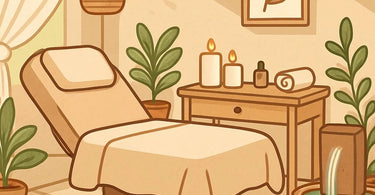
The treatment room must be a flawless sanctuary. Every detail matters to signal safety and autonomy:
Autonomy is Key: Ensure the client can control their environment. A personal, discreet control panel or remote for lighting (install a dimmable LED lamp) and sound is powerful. Let them choose the music or nature sounds, or opt for silence.
Sensory Soothing: Use a high-quality essential oil diffuser with non-invasive scents like lavender or chamomile. Ensure the room is spotlessly clean and uncluttered. The temperature should be perfect—consider a quiet, ambient space heater or fan they can adjust.
The (“Hands-Off”) Treatment Bed: Make the massage table irresistibly comfortable. Use a heated table topper, plush spa bedding, and supportive bolsters. The client should feel nestled and supported by the environment itself.
3. The “Treatment” Modalities: Science-Backed Alternatives to Touch
This is where you get creative with your equipment and knowledge. The treatment is a curated journey through non-touch therapies.
The Opening Act: Guided Breathwork & Intention SettingBegin with a guided breathwork or visualization exercise. This immediately activates the parasympathetic nervous system (the “rest and digest” state), lowering cortisol just as touch therapy aims to do. You can guide this verbally from a seated position across the room.
Technology-Assisted “Touch’:Heat Therapy: Carefully placed basalt stones (warmed in a stone heater) on towel-draped areas (e.g., beside the spine, in the palms) provide deep, penetrating warmth without human contact. A far infrared body wrap heating blanket offers full-body thermotherapy.
Light & Frequency Therapy:Red Light Therapy: Use a professional red light therapy panel to promote cellular repair, reduce inflammation, and induce calm. Explain the science—clients love knowing the “why.”Vibrational Therapy: A low-frequency vibration unit placed under the table pad (not directly on the body) can create gentle, soothing oscillations that help release muscular tension indirectly.
Sensory Journey & Grounding:Incorporate elements of halotherapy (dry salt air) for respiratory calming, or use a precise facial steamer directed away from the face to hydrate the air and add a warm, misty element. A weighted blanket (placed according to client preference) can provide deep-pressure input that feels grounding and secure.
4. The Closing Ritual: Cementing the Experience
Gently announce the conclusion of the session. Offer a chilled towel or eye pillow for them to apply themselves. Present a warm cup of herbal tea in the relaxation area. The post-treatment discussion is crucial: “How did that feel for you?” “Which element was most resonant?” This feedback loop is gold for refining their next visit.
Curating the Perfect Product-Based “Self-Care” Treatment
Another brilliant approach is transforming the treatment into a guided, empowering self-care ritual. You become the expert guide while the client remains in full physical control.
The Empowered Facial:Create a station with a magnifying LED lamp, a selection of ultra-gentle products for sensitive skin (like a marshmallow cleanser or aloe vera mask), and clean applicators. You talk them through each step from your stool: “Now, take the calming serum and press it gently into your décolletage.” They perform the actions, receiving the benefits of expert knowledge and premium products without being touched. This is ideal for treatments like dermaplaning or a gentle microdermabrasion prep, where you handle the device but only make contact with the skin via the sterile tool.
The Aromatic Journey for Body:Set up a tray with sugar scrubs, salt scrubs, and rich body butters from lines like Voesh or Avry Beauty. Guide them through a self-application script focused on mindfulness and the sensory pleasure of scent and texture. The take-home retail opportunity is enormous.
Equipment & Retail: Your Toolkit for Success
Offering these services isn’t just compassionate; it’s smart business that requires the right tools. Pure Spa Direct is your partner in building this niche.
For the Treatment Room:Towel Steamers/Cabinets: For providing warm, comforting towels they can use themselves.Advanced Spa Equipment: Like infrared sauna pods or Vichy shower experiences where the touch is from water, not hands.Ultrasonic or Microcurrent Devices: For facial treatments where the tool, not your hand, does the work.
For Retail & Take-Home Care:Stock your shelves with products that extend the calm. Think weighted blankets, essential oil roll-ons, high-quality sleep masks, and journals. This builds a 360-degree relationship with the client.
Marketing Your Inclusive Sanctuary
Communicate this offering with care and clarity. Use language of empowerment and choice on your website and social media.
Phrasing is Powerful:“Sensory-Soothing Sessions: Designed for peace, on your terms.”“Your Sanctuary, Your Control: Explore our non-touch wellness journeys.”“Anxiety-Friendly Spa Treatments: Where relaxation meets respect for your space.”
Share client testimonials (with permission) that speak to the relief of finding such a service. Training your front desk staff to understand and confidently describe these options is essential—they should be ambassadors of inclusivity.
The Ripple Effect of Inclusive Care
By creating this space, you do more than fill a niche. You become a haven for clients who have often felt excluded from the wellness world. The loyalty you generate will be profound. These clients will refer their friends and family who have similar sensitivities, or who simply appreciate the unparalleled level of thoughtfulness and customization. You’re not just providing a service; you’re providing relief, understanding, and a profound sense of being cared for exactly as you are.
So, take this blueprint, partner with us for the best equipment and furniture, and start building your most rewarding treatment yet. It’s a beautiful way to do great work, for everyone.
