
Boost revenue with this pro essential... that also happens to be the kindest thing you can do for a huge chunk of your clientele. Let's be real: the standard spa script doesn't work for everyone. While some clients love a good chat about their weekend, others would rather have a quiet word with a hot stone. The deeply introverted client isn't just 'quiet'—they recharge their batteries in solitude and can find prolonged social interaction genuinely draining. When you design a treatment that truly honors their nature, you're not just providing a service; you're creating a sanctuary. And let's be honest, who doesn't want a reputation as the go-to spa for ultimate peace and quiet? It's like being the library of the wellness world, but with better aromatherapy and way comfier robes.
Understanding the introverted client starts with knowing that it's not about shyness or social anxiety. Introversion is about where someone gets their energy. Introverts draw their energy from solitary activities and introspection, unlike extroverts who thrive in social settings and gain energy from interactions with others. For you, this means that the bustling, chatty environment of a typical spa might be overstimulating for them before their treatment even begins. They're the ones who might need a whole weekend to decompress after a major industry event. Recognizing this fundamental trait allows you to reframe their needs not as a problem to be solved, but as a preference to be catered to with the same expertise you'd apply to any skin type.
Beyond the Waiting Room: Crafting the Pre-Treatment Sanctuary
The introverted client's experience begins the moment they book, not the moment they hit your table. The pressure to make small talk about weekend plans or holiday activities can be a significant barrier. Your goal is to systematically remove these friction points. Start with your booking system: offer detailed online booking options that minimize required phone calls. For consultations, provide digital intake forms they can fill out in their own time and space. This isn't just convenient; it allows them to provide more thoughtful, detailed information about their needs and concerns.
When they arrive, rethink your waiting area. Is it a loud, open space where everyone can overhear each other's conversations? Create a quiet nook if possible, or better yet, streamline the check-in process to get them into the treatment room faster. Your communication style matters, too. Instead of peppering them with questions, use your enhanced listening skills. Take notes, ask clarifying questions about their service, and reflect what you've heard to show you're truly tuned in. This demonstrates a high level of professionalism and client care without demanding excessive social energy from them.
The Treatment Room: Your Sensory Sanctuary Blueprint
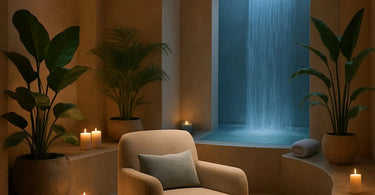
This is where the magic happens. Your treatment room should be a temple of tranquility, deliberately designed to minimize sensory overload. It starts with lighting—ditch the harsh fluorescents and create a soft, warm glow with dimmable lights. A magnifying light with adjustable brightness is a must for treatments requiring precision without sacrificing the ambient mood. Soundscaping is equally crucial. Replace unpredictable playlist ads or chatty radio hosts with a consistent, gentle soundtrack of ambient nature sounds or instrumental music. The steady hum of a facial steamer or a small, quiet diffuser can also provide soothing white noise.
Your equipment choices speak volumes about comfort. A heated massage table with a table warmer is a given, but consider the extra touches. A massage bolster provides essential support, while the choice between a plush warmed towel or a lightweight blanket allows for personal climate control. The goal is to create an environment so comfortable that the client's nervous system can truly switch off, making them feel cradled and cared for without a single word being spoken.
The Art of the Quiet Consultation & The Power of Pre-Treatment Communication
For the introverted client, the spoken consultation can be the most daunting part of the experience. They may feel put on the spot or struggle to articulate their needs under pressure. Flip the script by leveraging their natural inclination for prepared, thoughtful communication. When they book, you could send a brief, friendly email letting them know, "To make the most of our time together, I've attached a quick digital intake form. Feel free to note any specific concerns or goals so we can hit the ground running." This simple act respects their process and transforms the in-person consultation from an interrogation into a confirmation.
During the treatment, clarity is your best friend. Before you begin, briefly outline what the treatment will involve and what they can expect to feel. This removes the anxiety of the unknown. Use clear, simple language when instructing them to turn over or adjust their position. And here's a pro tip: embrace the silence. Don't feel the need to fill every quiet moment with chatter. Your comfort with the quiet signals to them that it's a safe space to simply be and relax. This is where your skills in non-verbal communication—a confident, gentle touch, a calm presence—truly shine.
Tailoring Popular Treatments for the Introverted Soul
You don't need to reinvent your service menu; you just need to adapt your delivery. Almost any treatment can be tweaked to be more introvert-friendly. For a facial, emphasize the sensory-soothing aspects. Use a facial steamer for its calming hum and warm mist. Incorporate long, flowing massage strokes with a premium facial cream or serum. For mask setting times, instead of leaving them alone, consider a quiet scalp massage or a gentle hand treatment, communicating your actions with a soft, "I'm just going to..." to avoid startling them.
Massage is a natural fit. Focus on modalities that are inherently grounding, like a hot stone massage using a hot stone heater and smooth basalt stones. The deep, consistent warmth is incredibly soothing to the nervous system. Or, consider a aromatherapy massage using carefully selected essential oils from your aromatherapy collection, but discuss scent preferences beforehand via the digital intake form. Even a waxing service can be transformed. Using a high-quality, low-temperature hard wax from a reliable wax warmer can make the process quicker and more comfortable, minimizing the time spent in interaction.
The Grand Finale: Graceful Exits and Post-Treatment Peace
How you end the treatment is as important as how you begin it. An introvert's brain is often moving from a state of deep relaxation back to the alertness required for social interaction. Ease this transition. As the treatment concludes, gently bring them back to the room with a soft, "We're all finished. I'm going to step out so you can get dressed in your own time. I'll meet you outside with a glass of water." This gives them the precious alone time they need to reorient without feeling rushed.
The post-treatment discussion doesn't need to happen right in the hallway. If possible, have a quiet, semi-private corner for product recommendations. Base your suggestions on the notes you took during their digital intake and your observations during the service. Instead of a hard sell, frame it as, "Based on what you shared about your skin goals, the sugar scrub we used today would be a great way to extend that smoothness at home." Follow up with a well-written email summary of the treatment and the products discussed. This thoughtful, non-pushy approach feels more like continued care than a sales pitch, building immense loyalty.
Transforming Your Quiet Clients into Your Most Loyal Advocates
When you successfully create a haven for your introverted clients, you're not just doing a nice thing—you're making a brilliant business move. Introverted clients, when they feel understood and respected, become fiercely loyal. They may not shout your praises from the rooftops, but they will quietly recommend you to their carefully selected friends, book recurring appointments, and become the stable foundation of your clientele. They value depth and authenticity over flash and frenzy.
By embracing these design principles, you're expanding your business's reach and reputation. You become known as the spa that truly “gets it,” the sanctuary where anyone can find peace. So, roll out the quiet welcome mat, stock up on those heated towels, and perfect your gentle touch. A world of quietly grateful clients is waiting for you.
