
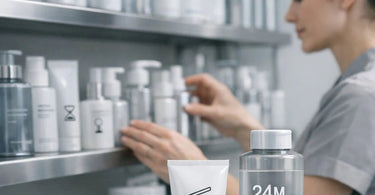
Solutions for every challenge, including the silent ones creeping into your product cabinet! Let’s be honest, in the whirlwind of back-to-back clients, retail sales, and managing inventory, checking if your professional cleanser has separated or your favorite gel polish is starting to cure in the bottle is probably not at the top of your list. But here’s the not-so-funny truth: using a product that’s past its prime isn’t just ineffective—it can be a serious breach of client trust and safety. Think about it: would you serve expired milk at your cafe? Of course not! Yet, applying a serum with degraded active ingredients or a cream that’s grown a funky little microbiome is essentially the same thing for the skin. The good news is, with a little know-how and some simple habits, you can protect your clients, your reputation, and your bottom line. This guide will arm you with everything you need to know about shelf life and storage, turning you from a beauty pro into a product preservation pro.
First, let’s clear up a common misconception. In the U.S., there are no laws requiring cosmetic shelf life or expiration dates on labels, but manufacturers are still responsible for ensuring product safety . This means the onus is on us, the professionals, to be the ultimate gatekeepers. For products classified as drugs—like sunscreens, acne treatments, or anti-dandruff shampoos—the rules are stricter. These must have expiration dates and be proven stable until that date . So, the first step in your product safety audit is knowing what you’re working with. Is that brightening serum a cosmetic or a drug? Check the label for an SPF or an active drug ingredient. This knowledge isn’t just for trivia night; it’s the foundation of your safety protocol.
Cracking the Code: Expiration Dates, PAO, and Your Senses
Alright, let’s decode the hieroglyphics on your bottles. You might see a specific “Use By” date. That’s your hard stop. More commonly, you’ll find the Period After Opening (PAO) symbol—a little open jar icon with a number and ‘M’ (e.g., 12M) . This tells you how many months the product is good for after you break the seal. A foundation with “12M” should be used within a year of opening. But here’s a pro tip from the trenches: the clock starts ticking as soon as a product is opened and exposed to air, light, and our not-always-sterile fingers . That’s why your most reliable tool isn’t a magnifying lamp; it’s your own senses. Before every service, get in the habit of doing a quick “sniff, look, and feel” check.
- Smell: Does that luxurious body butter smell sour or rancid? Toss it. A change in scent is one of the clearest signs of bacterial growth or ingredient breakdown .
- Sight: Has your liquid foundation separated into oil and pigment? Is there a mysterious color change or (gulp) visible mold? See any strange layers in your massage oil? These are all red flags .
- Touch: Has your creamy moisturizer become lumpy or grainy? Is your sugar scrub rock hard? Changes in texture signal the formula is degrading .
When in doubt, throw it out. The cost of replacing a $30 bottle is nothing compared to the cost of a client’s skin reaction or lost trust.
The Shelf Life Cheat Sheet: From Lash Glue to Hard Wax
While the “use test” is your best friend, having general guidelines helps with inventory planning. Remember, these timelines assume proper storage—more on that sacred topic next!
- Eye Area Products (Mascara, Liquid Liner): The shortest shelf life in the biz. Discard mascara 3-6 months after opening . Every swipe introduces bacteria, and eye infections are no joke. Never, ever add water or saliva to moisten dry mascara—you’re just brewing a bacterial soup .
- Professional Nail Products: Your dipping powders and acrylic systems should last 1-3 years if sealed tightly against moisture . Gels and gel polishes have a similar range but are ultra-sensitive to light. Store them in a dark place, and always wipe your brush on the inside of the bottle neck, not the rim, to prevent cured gunk from contaminating the pot .
- Wax & Hair Removal: High-quality hard and soft waxes, like those from ItalWax or Cirepil, are stable for years when stored in a cool, dry place. However, once you melt and re-melt the same wax in your professional wax warmer repeatedly, it can break down. Follow your brand’s guidelines for “pot life.”
- Skincare Serums & Actives: Products with vitamin C, retinoids, or peptides are divas. They degrade fastest when exposed to light and air. Expect optimal potency for 6-12 months after opening. If your vitamin C serum has turned from clear to deep yellow, its oxidizing days are over.
- Sunscreen & Acne Treatments (Drugs): These must have an expiration date. Sunscreen loses its protective power, and acne treatments lose their efficacy . Using expired sunscreen gives clients a false sense of security against UV damage.
Your Treatment Room Sanctuary: The Art of Proper Storage
This is where the magic (and preservation) happens. Your storage strategy can double the life of your products. The three arch-enemies of your expensive pro products are Heat, Light, and Humidity. Let’s banish them.
The #1 Rule: Ditch the Bathroom (and the Hot Car!)We know it’s convenient, but your treatment room bathroom (or worse, a windowsill) is a product murder scene. The steam from the shower creates a humid environment that encourages bacteria and mold growth and can cause powders to cake and creams to separate . Instead, designate a storage cart or cabinet in your dry, climate-controlled room. Keep it away from direct sunlight, facial steamer exhaust, and heating vents.
The Goldilocks Zone: Cool, Dry, and DarkAim for a consistent temperature between 60-75°F (15-24°C) . A hot car or a storage room next to the boiler can cause preservatives to break down and ingredients to separate . For extra-sensitive items like lash adhesives or certain serums, a small, dedicated beauty fridge (set to a mild temperature, not freezing) can be a great investment.
Get Organized Like a BossClutter is the enemy of rotation and cleanliness. Use mobile carts with compartments or clear organizers to group products by service type . This “first in, first out” (FIFO) system ensures older stock gets used first. Clearly label everything, and keep bulk refills in a separate, cool storage area to avoid treatment room clutter . Always, always store products in their original containers with lids tightly sealed . Transferring products to unmarked jars is a safety and compliance nightmare.
Building Client Trust Through Transparency
Now that you’re a shelf-life savant, use this knowledge to educate and build deeper trust with your clients. This isn’t about fear-mongering; it’s about showcasing your expertise and care.
- During the Consultation: Briefly explain why you use single-use applicators or decant product from a large bottle onto a disposable palette. A simple, “I use a fresh spatula every time to ensure no cross-contamination between clients,” speaks volumes about your standards.
- At Retail Checkout: When selling a take-home product, point out the PAO symbol. Say, “You’ll see this little jar icon here—that means this serum is most effective for 12 months after you open it. Store it in a cool cupboard, not the shower, to make it last!”
- On Social Media: Share a quick “Tip Tuesday” post about checking product textures or the dangers of using old mascara. It’s valuable, shareable content that positions you as an authority.
- In Your Space: A clean, organized treatment room with neatly stored products is a silent advertisement for your professionalism. Clients notice.
The Professional’s Pledge: Safety, Compliance, and Smart Business
For salon and spa owners, this goes beyond best practice—it’s about compliance and risk management. In many regions, regulations like COSHH (Control of Substances Hazardous to Health) require you to have Safety Data Sheets (SDS) for the professional products you use and to conduct risk assessments . Proper storage and disposal of chemicals are a core part of this. Always purchase from authorized distributors like Pure Spa Direct to avoid the serious risks of counterfeit products, which may contain harmful ingredients .
Implementing a solid product management system is also brilliant business. It reduces waste, ensures you’re always using effective products that deliver results, and protects your most valuable asset: the trust of every person who lies down on your massage table or sits in your pedicure chair.
So, take a breath, open those cabinets, and channel your inner organizer. Your products—and your clients—will thank you for it. And remember, for all your fresh, authentic, and properly stored professional supplies, from Berodin wax to Biotone massage cream, your partners at Pure Spa Direct are here to help you stock smart and work safe.
