
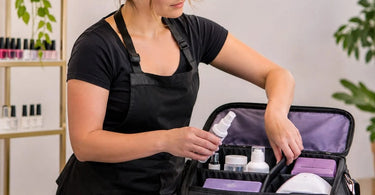
The right choice for better results starts with a mobile nail service kit that works as hard as you do without requiring the upper-body strength of a professional weightlifter. If you are a nail technician traveling between clients, every bottle, brush, file, and piece of equipment needs to earn its place in your bag. The goal is not to bring an entire nail salon on wheels. It is to create a streamlined, professional setup that lets you deliver beautiful, efficient services while keeping your supplies organized, your sanitation procedures consistent, and your shoulders considerably happier.
Whether you specialize in natural manicures, gel polish, structured nail services, or private appointments, building the right mobile kit requires balancing convenience with professional performance. A thoughtful collection of professional nail care supplies can help you provide a polished experience without dragging three oversized cases through every client's front door.
Here is how to pack smarter, stay organized, and build a mobile nail technician kit that supports your actual services rather than every service you might possibly offer someday.
Start With Your Service Menu, Not Your Shopping Cart
Before choosing your carrying case or filling it with products, identify exactly which nail services you plan to offer on location. Your service menu should determine your equipment, not the other way around.
A mobile technician offering traditional manicures has different requirements than someone specializing in gel extensions or intricate nail art. Packing for all three when your clients only book basic gel manicures creates unnecessary weight, expense, and setup time.
Divide your services into three categories:
- Core services: Your most frequently booked treatments, such as natural manicures, gel manicures, and basic nail maintenance.
- Optional services: Treatments offered by appointment, including structured gel, simple nail art, or basic repair work.
- Specialized services: Equipment-intensive treatments requiring dedicated supplies, additional ventilation, or a more extensive workspace.
Build your everyday kit around the first category. Add specialized supplies only when the appointment requires them and the location can safely accommodate the service.
This approach prevents the classic mobile technician problem: carrying 47 products to an appointment that ultimately requires three.
Choose a Carrying System That Keeps Everything Accessible
A good mobile nail kit needs more than attractive luggage. It needs practical organization, stable storage, and easy access to the tools you use repeatedly.
Consider a lightweight rolling case with durable wheels, a telescoping handle, and adjustable interior compartments. A structured case with removable organizers can work well for smaller service menus.
Look for these features:
- Separate compartments for liquids, tools, electrical equipment, and disposables.
- Easy-to-clean interior surfaces that tolerate routine product spills.
- Secure closures that keep bottles upright during transportation.
- Padded protection for delicate lamps and electronic equipment.
- Enough room for clean, covered implements without mixing them with used tools.
- A manageable loaded weight that you can lift safely into your vehicle.
A two-part system can be especially convenient. Use one primary case for your essential supplies and a separate lightweight bag for your lamp, power accessories, and other equipment.
Keep the heaviest items low in a rolling case and frequently used supplies near the top. After all, nobody wants to excavate an entire beauty supply warehouse just to locate a cuticle pusher.
Pack the Essential Manicure Tools First
Professional results depend on having dependable tools for nail preparation, shaping, and finishing. These items form the foundation of almost every mobile nail service.
Build your core kit around carefully selected manicure essentials, including:
- Professional nail clippers suitable for your permitted services.
- Cuticle pushers and other appropriate reusable implements.
- Cuticle nippers when required for your service and permitted by local regulations.
- Disposable orangewood sticks and applicators.
- Individual-use nail files and buffers.
- A compact nail dust brush.
- Lint-free wipes and suitable nail preparation products.
- Base coats, top coats, and the treatment products required by your selected systems.
Choose versatile tools wherever possible. A well-made implement that performs its intended task reliably is more useful than a collection of inexpensive tools that rarely leave their compartments.
For disposable products, focus on the sizes and grits you actually use. The Nail Files & Buffers collection is a practical place to compare professional options for different preparation and finishing requirements.
Carry sufficient fresh disposable supplies for your confirmed appointments, plus a reasonable contingency allowance. Never plan to reuse single-use items between clients.
Keep Your Polish Selection Curated and Client-Friendly
One of the biggest contributors to an overloaded mobile kit is the polish collection. It is surprisingly easy to pack 60 shades for a client who requested a classic nude before you even left the driveway.
Instead of carrying your complete inventory, create a compact color wardrobe based on actual booking trends.
A practical starter assortment might include:
- Two or three popular nude shades covering different undertones.
- A soft pink and a sheer neutral.
- A classic red.
- A deep burgundy or another sophisticated dark shade.
- A versatile white.
- One or two seasonal or trend-focused colors.
- A limited selection of frequently requested specialty finishes.
If gel manicures are your primary service, prioritize a compatible Professional Gel Polish system rather than collecting an assortment of unrelated products.
Choose matching base coats, colors, top coats, and curing equipment according to the manufacturer's instructions. Not every gel formulation cures correctly under every lamp, so equipment compatibility matters considerably more than saving a little space with an unsuitable device.
For technicians offering traditional polish, the Premium Nail Polish collection offers additional options for building a focused professional color assortment.
Consider sending clients a digital shade menu before their appointment. Once they select their preferred colors, you can pack only those shades and a few appropriate alternatives.
Your back will thank you. Your rolling case might even close without negotiations.
Select Compact Equipment Without Sacrificing Performance
Electrical equipment deserves special consideration because it adds weight, occupies valuable space, and introduces practical requirements for power, positioning, and ventilation.
Depending on your services, your equipment may include a professional curing lamp, task lighting, dust extraction equipment, or an electric nail file.
When choosing equipment, evaluate these questions:
- Is the device genuinely necessary for the services booked?
- Does it fit inside your carrying system without forcing cables into tight spaces?
- Can it operate safely with the available electrical setup?
- Is it compatible with the professional products you use?
- Can you position it ergonomically without creating hazards?
- Does it meet the manufacturer's performance and maintenance requirements?
A reliable, compact curing lamp can be a smart investment for gel-focused technicians. Appropriate LED Bright Lamps can also help illuminate your work area when clients have limited lighting.
However, a small footprint does not automatically mean equipment is suitable for every environment. Nail dust and chemical vapors require appropriate exposure controls. Where services generate significant dust or fumes, evaluate ventilation and source capture before accepting the appointment. A basic tabletop fan or decorative air purifier is not an adequate substitute for effective exposure control.
If you use an electric file, keep compatible bits protected, clean reusable components according to manufacturer guidance, and transport chargers securely. Only carry specialized attachments required for the scheduled work.
Make Sanitation Supplies a Nonnegotiable Part of the Kit
There is one category where packing lighter should never mean cutting corners: sanitation and infection control.
Mobile nail services must follow applicable state and local licensing, sanitation, and operating requirements. Some jurisdictions restrict off-site services or impose specific conditions on mobile operations, so verify the rules before booking clients.
Reserve a dedicated compartment for hygiene and sanitation materials, including:
- Appropriate hand hygiene supplies.
- Fresh disposable gloves when indicated for the task.
- Single-use files, buffers, and applicators.
- Approved cleaning and disinfecting products.
- Clean, covered storage for properly processed reusable implements.
- Separate, secure containers for used implements awaiting cleaning and disinfection.
- Suitable waste bags and disposal supplies.
- Clean work-surface barriers where appropriate.
Explore Professional Cleaners & Disinfectants for Salons and Spas and Protective Gloves & Masks when stocking the safety portion of your kit.
Remember that wiping an instrument with alcohol is not automatically an acceptable substitute for the required cleaning and disinfection process. Follow applicable board regulations, disinfectant labels, contact times, and manufacturer instructions.
Likewise, a UV storage box should never be treated as a replacement for required disinfection. Clean and used implements need clearly separated storage, and any required reprocessing must take place under suitable conditions.
Professional hygiene is not optional simply because your salon now has a parking space instead of a street address.
Use a Small, Flexible Supply of Disposable Products
Disposable supplies are essential, but they can consume surprising amounts of space when packed without a plan.
Calculate your expected usage based on the number and types of appointments scheduled that day. Pack enough for every client plus a modest backup quantity.
Useful disposables may include lint-free wipes, cotton products, disposable towels, applicators, individual-use buffers, and approved protective barriers.
The Professional Cotton, Sponges, and Wipes collection provides options for managing everyday treatment needs.
Rather than carrying bulky manufacturer cartons, organize individually packaged supplies into clean, appropriately labeled compartments when permitted. Keep original product labeling and necessary instructions available, and never repackage items in a manner that compromises sanitation or product safety.
Purchase everyday consumables in economical quantities for your main inventory, then replenish your travel kit before each workday.
This creates a simple division: bulk inventory stays at your supply location, while appointment quantities travel with you.
Organize Nail Art Supplies by Actual Demand
Nail art is where a mobile kit can transform from beautifully efficient to a tiny traveling craft store.
Glitters, rhinestones, brushes, foils, charms, pigments, and specialty accessories are tempting to bring everywhere. Unfortunately, bringing everything can make finding the right accessory harder rather than easier.
Start with a compact selection of popular designs and versatile materials.
For example, a streamlined kit might include a fine-detail brush, dotting tool, selected accent colors, a limited range of rhinestones, and one or two multipurpose decorative products.
Browse Nail Art Supplies and Nail Brushes & Tools to build a collection around techniques you regularly perform.
Keep embellishments inside divided containers with secure lids. Tiny rhinestones scattered across a client's carpet are memorable, but not in the five-star-review kind of way.
Ask clients to submit inspiration photos before their appointment. This allows you to confirm that the requested design is within your service offerings and pack the precise materials needed.
Build a Compact Finishing and Aftercare Collection
A professional service does not end when the color cures or the top coat dries. Finishing products contribute to the overall experience and can create natural retail opportunities.
Consider packing a small, carefully selected collection of finishing essentials, including professional Cuticle Oil, an appropriate hand moisturizer, and any treatment-specific finishing products required by your service protocol.
Keep these items organized in leak-resistant compartments and avoid carrying unnecessary full-size containers.
For technicians who offer take-home recommendations, a small retail selection can support aftercare conversations without requiring an elaborate display. Focus on products that complement the client's treatment and make maintenance easier between appointments.
Clients appreciate thoughtful recommendations. They generally do not need a surprise pop-up beauty department on their kitchen table.
Create a Professional Workspace in Minutes
Mobile services often take place in homes, offices, hotels, or approved event settings. Each environment creates its own challenges, particularly when suitable work surfaces are limited.
Develop a consistent setup routine and confirm the workspace requirements with clients before arriving.
Ideally, the location should provide a stable table, suitable seating, adequate lighting, accessible handwashing facilities, appropriate ventilation, sufficient electrical access, and enough room to work comfortably.
Use a cleanable workstation surface or suitable professional barrier where appropriate. A compact armrest may improve comfort and positioning if it fits your service needs.
For recurring locations where clients cannot provide appropriate furniture, compare portable workstation options through Nail Tables and Manicure Stations.
Do not assume every home or temporary space is appropriate for every nail treatment. Services involving substantial dust, vapors, or chemical handling may require dedicated controls that cannot be safely or legally reproduced in a typical residential room.
Arrange your tools in the same order every time. A familiar layout reduces searching, helps maintain clean and used zones, and creates a more polished client experience.
Use the Three-Zone Packing Method
One of the easiest ways to prevent overpacking is to divide your mobile kit into three functional zones.
Zone One: Everyday Essentials
This section contains supplies used during nearly every appointment: essential preparation tools, fresh disposables, core products, and commonly selected colors.
These items should be easy to locate and accessible without opening multiple compartments.
Zone Two: Service-Specific Additions
This section contains products required only for certain bookings, such as gel enhancement products, specialty brushes, additional colors, or nail art accessories.
Load these items after reviewing the day's schedule rather than keeping them permanently inside your travel case.
Zone Three: Safety and Backup Supplies
Dedicate this section to hygiene materials, protected spare essentials, charging accessories, and contingency items.
Keep sanitation supplies separate from products that could become contaminated. Store used tools in an appropriately secured container rather than returning them to clean tool storage.
The three-zone system makes inventory checks faster and helps you identify unnecessary products that have been taking up space for weeks.
Pack for the Appointment, Not Every Possible Emergency
Being prepared is important, but preparation should be based on realistic needs.
Instead of bringing duplicate versions of every tool and product, identify the few backup items that would genuinely prevent an appointment from being completed.
Depending on your service menu, these might include a replacement file, spare compatible charging cable, additional lint-free wipes, or another critical consumable.
Check equipment functionality before leaving rather than assuming you can solve every technical problem by carrying extra devices.
A useful rule is to ask yourself whether an item has been used during the last several appointments. If not, determine whether it is a genuine safety or contingency necessity or simply something that belongs in your main inventory.
Safety-critical supplies should never be removed solely because they are used infrequently. For everything else, let your booking history guide your decisions.
Establish a Five-Minute Inventory Routine
A streamlined kit only stays streamlined when it is maintained consistently.
At the end of each workday, inspect your supplies and replenish essential products before your next appointments.
Use a simple checklist covering:
- Clean, properly processed reusable tools.
- Adequate fresh disposable supplies.
- Necessary polish shades and compatible treatment products.
- Charged and functioning electrical equipment.
- Required cleaning, disinfection, and protective supplies.
- Securely closed and correctly labeled chemical containers.
- Service-specific additions for upcoming appointments.
- Appropriate storage and disposal arrangements.
Inspect containers for leaks, damage, or expiration concerns. Follow product storage instructions, particularly for flammable liquids and light-sensitive formulations.
Consider keeping your stock organized using appropriately sized Bottles & Jars, but only transfer products when permitted by the manufacturer and applicable regulations. Use chemically compatible containers and preserve required labeling. Some products should remain in their original packaging.
This short routine prevents the uncomfortable discovery that your favorite top coat is nearly empty just as your client announces that she has a dinner reservation in 45 minutes.
Track Your Kit's Weight, Cost, and Efficiency
Once your mobile kit is assembled, evaluate how well it performs in actual appointments.
Record its loaded weight and assess how comfortably you can transport it through parking lots, stairways, elevators, and entryways.
Track setup time, service duration, cleanup time, product consumption, and the number of occasions when you needed an item that was not packed.
If you regularly carry products that never get used, move them back into your main inventory. If you repeatedly forget an important tool, give it a permanent position in your case.
For business planning, estimate your supply cost per appointment by dividing the cost of consumables used by the number of services performed. Include product waste where relevant, and account separately for travel time, transportation, sanitation labor, and equipment wear.
These numbers can help you refine your pricing and determine whether mobile appointments remain profitable after the full cost of service delivery.
A lighter kit is valuable, but a more efficient and profitable operation is the real prize.
Common Mobile Nail Kit Packing Mistakes to Avoid
Even experienced technicians can accumulate unnecessary supplies over time. Watch for these common mistakes:
- Carrying every polish shade: Confirm preferences in advance and build a focused color assortment.
- Mixing incompatible systems: Follow manufacturer guidance for gels, lamps, and other chemically or electrically dependent products.
- Overloading with specialty tools: Bring enhancement and decorative equipment only for services that require them.
- Underpacking sanitation supplies: Always meet applicable cleaning, disinfection, hygiene, and infection-control requirements.
- Ignoring ventilation: Evaluate dust and vapor exposure before offering treatments in temporary workspaces.
- Using poorly organized cases: Choose secure compartments that protect products and separate clean and used equipment.
- Skipping inventory checks: Replenish your supplies consistently instead of relying on memory.
- Forgetting ergonomics: Select equipment and furniture arrangements that support comfortable working positions.
The goal is not simply to fit everything inside one case. It is to create a reliable operating system for your mobile business.
Build a Mobile Kit That Makes Every Appointment Easier
The best mobile nail technician kit is not necessarily the biggest, most expensive, or most elaborate. It is the one that supports your booked services, protects product quality, meets applicable professional requirements, and helps you work efficiently from arrival to cleanup.
Start with essential manicure tools, choose compatible professional products, organize your polish selection, and dedicate adequate space to sanitation and safe storage. Add specialized equipment only when it is genuinely needed and appropriate for the appointment location.
At Pure Spa Direct, we help beauty professionals source the products, tools, and supplies they need to build practical, service-ready setups. Whether you are refining an established mobile business or preparing for your first appointments, explore our Professional Nail Care Collections, Manicure Essentials, and Professional Gel Polish selections to find supplies that fit your services and workflow.
With thoughtful planning, your mobile nail kit can be compact, organized, professional, and ready for the next appointment. Because your clients booked beautiful nails, not a demonstration of how much luggage one beauty professional can carry.
