
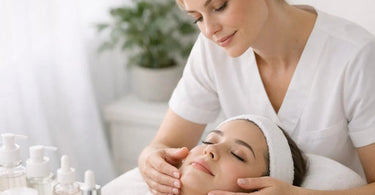
Your journey to excellence starts now, and let’s be honest, it often begins with a client who walks in, points to their cheek, and says, “This reacts to everything.” Sensitive skin clients are not a niche market—they’re a huge, often underserved segment looking for that magical sweet spot of efficacy without irritation. The global market for gentler peel options is booming, proving clients are demanding and deserve smart, tailored solutions. This is where your expertise and the power of enzymatic peels become the ultimate business-building duo. Forget the one-size-fits-all, aggressive peel days of yore. Today’s sophisticated enzymatic formulas are like brilliant, gentle specialists for your treatment room. They offer a controlled, superficial exfoliation that polishes delicate skin to reveal its natural brilliance, all while keeping those alarm bells from ringing. Mastering this category isn’t just a service add-on; it’s a statement that your spa truly cares for every skin type. So, let’s dive into the fun, fascinating world of enzymes and turn your sensitive skin clients into your most loyal advocates.
Think of an enzymatic peel not as a harsh “strip” but as a intelligent, bio-chemical conversation with the skin. Unlike physical scrubs that can micro-tear or acid peels that can be too intense, enzyme peels use natural proteases (like bromelain from pineapple or papain from papaya) to gently dissolve the “glue” (keratin) that holds dead skin cells together. This process is supremely surface-level, making it one of the safest and most tolerable exfoliation methods available, especially for reactive skin types. The result? You’re supporting the skin’s own natural renewal cycle, encouraging fresh, plump cells to the surface for a brighter, smoother complexion that looks refreshed, not red and angry. It’s the ultimate “work with the skin, not against it” treatment.
The Sensitive Skin Savior: Why Enzymatic Peels Are Your Go-To
Why build your sensitive skin protocol around enzymes? The benefits are clear, immediate, and client-pleasing. First and foremost, they offer minimal to zero downtime. Clients leave glowing, not hiding. This controlled process delivers a surge in hydration (especially with formulas containing humectants), a smoother, softer texture, and a brighter, more even tone. For you, the professional, this means predictable, fantastic results and thrilled clients who can return to their normal routines immediately. Furthermore, using an enzymatic peel prepares the skin for enhanced product penetration, making the serums and moisturizers you apply afterward exponentially more effective. It’s a force multiplier for your entire facial treatment. For clients battling not just sensitivity but also impurities or congestion, enzymes can dive into pores to help dissolve sebum and dirt, promoting clarity. It’s a versatile, results-driven choice that positions you as a mindful expert.
Decoding the Enzyme Menu: Picking the Perfect Peel for Every Concern
Not all enzymes are created equal, and that’s great news for customization. Here’s your cheat sheet to match the enzyme to the client’s primary concern. Think of this as building your “enzyme dream team.”
Pineapple (Bromelain): The Soothing Superstar. Derived from pineapple, bromelain is famed for its strong anti-inflammatory and soothing properties. It’s often considered one of the mildest enzymes, making it a top-shelf choice for your most reactive clients, those with redness, or skin that’s simply feeling stressed and needs calm, gentle resurfacing.
Pumpkin: The Nutrient-Rich Refiner. Pumpkin enzyme peels are packed with antioxidants and vitamins, offering gentle exfoliation plus skin-soothing effects. Its high Vitamin A content can act as a mild retinoic acid substitute, helping to boost collagen, making it a wonderful choice for clients with mature or dull sensitive skin seeking a revitalized, firmer look.
Fig (Ficin) & Pear: The Hydrating Harmonizers. Fig enzyme (ficin) is known for being hydrating and brimming with nutrients, offering particularly gentle exfoliation. Often blended with pear for added mild polishing and moisture, this combo is ideal for dry, dehydrated sensitive skin that needs a drink along with its glow-up.
Papaya (Papain): The Clarifying Powerhouse. Papain is one of the stronger natural enzymes, excellent for effectively exfoliating dead cells and helping to clear pores. It’s a fantastic pick for the sensitive-but-clogged or sensitive-but-lackluster client who can handle a bit more potency. Its brightening properties from high Vitamin C are a major bonus. Pro Tip: For this stronger enzyme, always do a patch test behind the ear first!
Cherry & Green Tea: The Supporting Antioxidant Cast. While not always primary enzymes, cherry is prized for brightening, and fermented green tea enzymes offer gentle exfoliation with added oil-control and calming antioxidant benefits. Look for them in blends to boost the formula’s overall efficacy.
The Pro’s Checklist: 5 Must-Dos Before Applying Any Peel
Success with sensitive skin is 50% product choice and 50% impeccable protocol. Here is your non-negotiable pre-peel checklist:
1. The Consultation is Key. Never skip a thorough consultation. Discuss current medications (especially retinoids), recent procedures, history of cold sores, and all skin concerns. Use a Wood’s Lamp to analyze skin conditions at a deeper level. This step protects your client and your business.
2. Patch Test, Patch Test, Patch Test. For any new client or new product, a patch test 24-48 hours before the service is your best insurance policy. Apply a small amount behind the ear or on the inner arm.
3. Prep the Canvas. Always start with perfectly cleansed skin. Using a Facial Steamer can gently open pores and enhance enzyme activity without aggression. Follow with a toner that doesn’t contain active acids to avoid compounding exfoliation.
4. Read the Room (and the Skin). Assess the client’s skin on the day of service. Is it visibly inflamed, with active rosacea flares or broken capillaries? Postpone the peel. Enzymatic peels are gentle, but they are not for actively angry skin.
5. Have Your Soothing Arsenal Ready. Before you start, have your calming post-peel products laid out: a cool Compressed Sponge for removal, a hydrating serum rich in hyaluronic acid or ceramides, and a calming moisturizer. Being prepared exudes confidence.
Application Mastery: Technique for Flawless Results
Now for the application art. Always follow the specific manufacturer’s instructions for time. For a first-time client or extremely sensitive skin, shorten the recommended processing time. You can always go longer next time. Apply in a thin, even layer, carefully avoiding the immediate eye area and lips. A mild tingling sensation is normal, but any significant itching or burning means it’s time to remove the product immediately.
Removal is just as important as application. Use lukewarm water and soft, sweeping motions with a sponge or cloth to gently lift the product away. Never scrub. Follow immediately with a deeply hydrating and soothing mask or serum to replenish the skin barrier. Finish with a broad-spectrum SPF if it’s daytime—this is non-negotiable, as exfoliation increases sun sensitivity. Provide clear aftercare instructions: avoid actives (retinol, other acids) for 3-5 days, use gentle cleansers, moisturize diligently, and wear SPF 30+ daily.
Building Your Enzymatic Armor: Must-Have Products & Tools
To deliver a world-class enzymatic peel experience, you need the right tools and supporting products. Here’s how to build your treatment room arsenal:
The Peel Itself: Partner with reputable brands known for professional-grade, stable formulations. Explore our curated Premium Skincare Products for Spas and Salons to find professional enzymatic peel formulations you can trust.
Prep & Enhancement: A Facial Steamer is invaluable for gently prepping skin. Consider using a Ultrasonic Skin Scrubber *after* the enzymatic peel is removed to very gently lift away any remaining dissolved debris, boosting the refining effect without physical friction.
Post-Peel Perfection: This is where you lock in the results and the client’s loyalty. Follow with a hydrating Galvanic Machine treatment to drive in soothing serums. A Microcurrent or LED Light Therapy treatment (using a calming red or amber light) can further reduce inflammation and promote healing, creating a luxurious multi-modality experience.
Retail for Home Care: Complete the service by recommending a gentle, enzyme-based home care product for maintenance. Pair it with a nourishing facial oil or moisturizer and a physical sunscreen. This not only helps maintain the results but also boosts your retail sales. Check out our Must-Have Spa Retail Products for ideas.
Troubleshooting 101: When Things Don’t Go Perfectly
Even with the best planning, sensitive skin can surprise you. Here’s your quick-guide to handling common hiccups:
Client experiences more redness than expected post-peel: Stay calm. Apply a cool compress with compressed sponges. Use a calming spray with ingredients like aloe or centella asiatica. Avoid any additional massage. Reassure the client that this is a temporary response and that you are taking care of it. Document the reaction and the product used for future reference.
No visible or tangible result after treatment: This likely means the formula or processing time was too gentle for that particular client. For the next session, you can consider a slightly longer processing time or a different enzyme type (e.g., moving from bromelain to papain). Ensure the skin was properly prepped (cleansed, slightly damp/warm) for optimal enzyme activity.
Remember: The relationship with a sensitive skin client is built on trust and careful progression. It’s always better to be conservative and build up to optimal results over multiple sessions than to overdo it once and lose their trust.
The Bottom Line: Confidence Creates Clients
Choosing the right enzymatic peel for your sensitive skin clients is a powerful skill that sets your spa apart. It demonstrates deep dermatological knowledge, a commitment to personalized care, and the ability to deliver visible results without compromise. By understanding the enzyme lineup, adhering to a meticulous consultation and application protocol, and having the right professional tools on hand, you transform a potentially nervous client into a raving fan. So, stock your shelves with these gentle giants, practice your patch tests, and get ready to reveal the gorgeous, glowing skin your clients have been waiting for—the gentle way. Your treatment room is about to become the safest, most effective haven for sensitive skin in town.
