
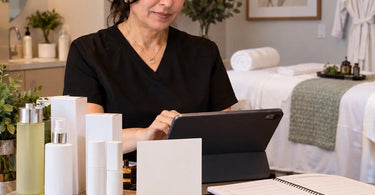
Tools that match your ambition often start with a single conversation, and in the professional beauty industry, that conversation frequently happens at checkout. You have just finished a gorgeous Facial Steamer treatment, or perhaps a flawless ItalWax - Wax service, and your client is glowing. She is happy, relaxed, and genuinely grateful. Then she walks out the door with her retail purchase, and you quietly hope she will come back. But hoping is not a system, and a system is what separates a busy spa from a thriving one. The truth is, the moment right after a client makes a new retail purchase is one of the most underutilized opportunities in your entire business, and most professionals are leaving serious money on the table simply because they never built a follow-up plan.
Let us talk about what happens after the sale, because that is where the magic actually lives. A client who buys a Premium Skincare Product from you is not just making a transaction. She is raising her hand and saying, I trust your expertise enough to take a piece of this experience home with me. That trust is precious, and it deserves more than a receipt and a wave goodbye. A structured follow-up system transforms a one-time purchase into a relationship, a relationship into repeat business, and repeat business into the kind of loyal client who tells every friend she has about the incredible esthetician or stylist who changed her skin.
Why the Checkout Counter Is Not the Finish Line
Most beauty professionals treat the retail sale as the end of the interaction. The client pays, the product goes in a bag, and everyone moves on. But the sale is actually the beginning of a conversation, not the conclusion of one. Research consistently shows that the window immediately after a purchase is when a client is most receptive to additional guidance, most likely to actually use the product, and most open to forming a genuine connection with your brand. If you let that window close without any follow-up, you are essentially handing your client a product and hoping she figures it out on her own. She might. But she also might shove it in a drawer, forget which product was for which concern, and never buy from you again.
Think about it from her perspective. She just spent her hard-earned money on a product you recommended, and she genuinely wants it to work. If nobody checks in to see how it is going, she might start to wonder if the recommendation was just about making a sale. A simple follow-up message, whether by text or email, says something completely different: I care about your results, not just your dollars. That distinction matters more than you might realize.
The Psychology of the Post-Purchase Window
Clients experience what psychologists call post-purchase dissonance, which is a fancy way of saying they sometimes wonder if they made the right choice. Did I really need this Cuticle Oil? Will this Sugar Scrub actually make a difference? These doubts are normal, and they are exactly why a follow-up system matters. A thoughtful check-in reassures your client that she made a smart decision, and that reassurance strengthens her trust in you.
There is also something beautiful about the timing. If you reach out within the first forty-eight hours after a purchase, the experience is still fresh in her mind. She remembers how her skin felt after the Hydrodermabrasion treatment, or how smooth her legs felt after the wax. Connecting the product to that positive memory makes it more likely she will actually use it, and more likely she will associate your business with feeling good.
Building Your Follow-Up System: The Three-Touch Framework
A follow-up system does not need to be complicated. In fact, the simpler it is, the more likely you are to actually do it. Here is a three-touch framework that works beautifully for retail purchases in a spa, salon, or barbershop setting.
Touch One: The Same-Day Thank You
Within a few hours of the purchase, send a short, warm message. This can be a text message if you have permission, or an email if you prefer. Keep it simple and personal. Something like: Hi Sarah, thank you so much for coming in today and for taking home the Nail Treatment we talked about. I really think you will love it. If you have any questions about how to use it, just let me know. This first touch is not about selling anything else. It is about confirming that the relationship matters.
Touch Two: The Forty-Eight-Hour Check-In
Two days later, reach out again with a quick check-in. Ask how the product is working, and offer one specific tip for getting the best results. For example, if she bought a Salt Scrub, you might remind her to use it on damp skin and follow with a rich moisturizer. This touch demonstrates expertise and shows that you are invested in her actual results, not just her wallet. It also gives her a natural opening to ask questions, which builds a deeper connection.
Touch Three: The Two-Week Follow-Up
About two weeks after the purchase, check in one more time. This is a good moment to ask if she has noticed a difference in her skin, hair, or nails, and to gently mention whether she needs a refill or would like to try something complementary. If she bought a Body Brush, maybe she would also enjoy a Spa Body Treatment at her next visit. This final touch is where repeat purchases often happen, because you have given her time to experience the product and you are offering something relevant and helpful.
What to Say Without Sounding Pushy
Many beauty professionals avoid follow-up because they worry about sounding salesy. The secret is to frame every message as guidance rather than promotion. Instead of saying, Did you know we have a special on Professional Gel Polish this week? try saying, I have been thinking about your nails and I would love to show you a new longwear option at your next appointment. The first feels like a pitch. The second feels like a plan.
It also helps to keep your messages short. Nobody wants to read a novel in a text message. A few warm sentences are enough to convey that you care. And if you do not hear back, that is okay. Not every client will respond to every message, and that is perfectly normal. The goal is not to chase anyone. The goal is to be present and helpful, so that when she is ready to buy again, your name is the first one she thinks of.
Using Product Samples to Strengthen Your System
One of the most effective follow-up tools in your arsenal is sampling. If a client buys one product, consider including a small sample of something related. A client who purchases Lash and Brow Enhancement products might appreciate a sample of a gentle cleanser. A client who buys Compressed Sponges might love trying a new exfoliant. Samples create a natural reason to follow up, because you can ask, How did you like the sample I included? That question opens a conversation and often leads to a full-size purchase.
Sampling also solves the problem of clients who are curious but hesitant. If someone is not sure about investing in a Professional Sunless Tanning Product, a sample lets her try it risk-free. When you follow up a few days later, you already have her attention because she has experienced the product firsthand.
Making Follow-Up a Habit, Not an Afterthought
The biggest barrier to a successful follow-up system is simply remembering to do it. The solution is to build it into your existing workflow. If you use a booking system, see if it can send automated messages. If you prefer a personal touch, set a daily reminder to review the previous day's retail purchases and send a quick note to each client. Even a five-minute block on your calendar can make a massive difference over the course of a month.
You can also make it a team effort. In a salon or spa with multiple staff members, have a quick morning huddle where you review recent retail sales and assign follow-ups. This keeps everyone accountable and ensures that no client falls through the cracks. When follow-up becomes a shared responsibility, it stops feeling like an extra task and starts feeling like part of the culture.
Measuring What Matters
To know whether your follow-up system is working, pay attention to a few simple metrics. Are clients responding to your messages? Are they coming back for refills? Are they booking additional services after your check-ins? Even anecdotal feedback is valuable. If a client tells you she appreciated the follow-up and that it made her feel cared for, that is a win, regardless of whether it led to an immediate sale.
Over time, you will likely notice that clients who receive follow-up messages are more loyal, more engaged, and more likely to refer their friends. That is the compounding effect of genuine care. A single follow-up message might not seem like much, but multiplied across every client and every purchase, it becomes a powerful engine for growth.
Turning Gratitude Into Loyalty
At its core, a follow-up system is an expression of gratitude. It says, I am thankful you chose me, and I want to make sure you are happy with your decision. That sentiment resonates with people, especially in an industry where personal care and trust are so central. Your clients are not just buying products. They are buying a relationship with a professional who sees them, hears them, and wants the best for them.
So the next time a client walks out with a new retail purchase, do not let the story end there. Send a message. Ask a question. Offer a tip. Show that you remember her, not just her transaction. That is how you create a better follow-up system, and that is how you turn a single sale into a lifetime of loyalty. And honestly, that is the kind of business every spa professional deserves to build.
)