
Solutions you can trust... A better lost-and-found process is one of those small operational upgrades that can make a spa feel dramatically more organized. Guests may come in for quiet, polished service, but phones, earrings, sunglasses, scarves, water bottles, keys, and the occasional mystery charger have a talent for staying behind after the relaxation is over. With a few clear rules, some labeled storage bins, and a team that knows exactly what to do, your front desk can turn an awkward situation into another polished client-service moment.
The goal is not to build a giant bureaucracy around one forgotten hair clip. The goal is to create a simple, repeatable system that protects the guest, protects your team, keeps the reception area tidy, and makes it easy to answer the dreaded question, "Did anyone find my..." without launching a building-wide scavenger hunt.
Start With One Rule: Every Found Item Gets Logged
The fastest way to lose a lost item twice is to rely on memory. A massage therapist puts a necklace in a drawer, a nail tech hands a pair of sunglasses to reception, the afternoon shift moves them somewhere safer, and by closing time three people know the item exists but nobody knows where it went. That is exactly the kind of comedy nobody wants starring in their spa.
Create one official lost-and-found log. It can be digital or paper, but everyone should use the same system. Record the date and time found, exact location, item description, employee who found it, employee who received it, and the storage location. For higher-value items, consider adding a photo and a second employee acknowledgment. Keep descriptions factual and specific. "Black phone in a clear case with a small scratch near the camera" is much more useful than "phone."
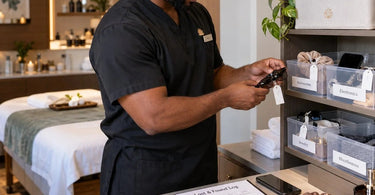
Give every item a unique reference number. Put that same number on the log and on the bag, envelope, or container holding the item. A roll of labels, permanent markers, clear bags, envelopes, and small containers can make this incredibly easy. The important part is that the identifier follows the item from discovery through pickup, shipping, or final disposition.
Create a Designated Lost-and-Found Zone
A spa lost-and-found should not be a basket under the reception desk that gradually becomes an archaeological dig. Choose one secure, staff-only location and organize it so items can be retrieved without touching everything else. Depending on your layout, that might be a locked cabinet, a back-office closet, or a dedicated section of your Lockers.
Separate ordinary items from valuables. Clothing, books, inexpensive accessories, and water bottles may go in numbered bins. Jewelry, wallets, phones, keys, and electronics should have more restricted access. Wet items, open cosmetics, food, medication, sharp objects, or anything suspicious should never be tossed into the same general bin. Your written policy should explain how those categories are handled and who has authority to make the call.
The area should also be clean and dry. That sounds obvious until a damp swimsuit gets sealed next to a silk scarf and suddenly the lost-and-found develops its own personality. Keep basic Professional Cleaners & Disinfectants for Salons and Spas available for the storage area itself, while avoiding unnecessary cleaning or alteration of a guest's personal property.
Make Intake Part of the Service Flow
The best lost-and-found process works with the way your spa already operates. Train service providers to do a quick room check after every appointment: treatment table, hooks, side tables, outlets, floor, chair, robe pocket area, and any changing space used by the guest. Reception can do the same around waiting areas, retail displays, restroom-adjacent spaces, and consultation zones.
If you provide guest storage during services, make it intuitive. A clean changing area with baskets, hooks, or Lockers can reduce forgotten belongings before they ever become a lost-and-found problem. This is especially useful for massage, body treatments, waxing, facials, and longer spa visits where guests may remove jewelry, watches, outerwear, or shoes.
Keep the process fast enough that employees will actually follow it. If logging one pair of reading glasses takes fifteen minutes, people will create shortcuts. A simple form with required fields and a clearly marked storage location is usually more effective than an elaborate process no one wants to touch during a packed Saturday.
Train Staff to Protect Guest Privacy
Found property can contain personal information. Phones, wallets, notebooks, medication, IDs, credit cards, and keys deserve extra care. Staff should avoid unnecessarily opening, searching, or exploring an item in an attempt to identify the owner. Your policy should define when a manager becomes involved and when an item needs special handling.
When a guest calls, do not automatically announce every identifying detail in the log. Let the guest describe the missing property first. Ask for distinguishing details that help match the claim, such as color, brand, case, inscription, charm, approximate contents, or where the guest believes it was left. For a phone, for example, the caller might describe the case and lock-screen image rather than a staff member volunteering those details.
This is especially important with jewelry. Spas are natural places for guests to remove rings, necklaces, watches, and earrings before certain services, and a generic "yes, we found a gold ring" can create confusion if more than one guest has reported something similar. A better process protects the real owner without making the front desk feel like it is conducting an interrogation.
Set a Clear Return Process
Once ownership is reasonably verified, document how the item leaves your custody. For in-person pickup, record the date, time, employee completing the handoff, and recipient. For valuable items, your policy may require ID verification or a manager's approval. Keep the steps consistent so employees are not inventing a new standard every time someone comes through the door.
If you ship items, decide in advance who approves shipping, how the guest confirms the destination, who pays the cost, whether tracking is required, and what information is recorded after shipment. Do not let an employee scribble an address on a sticky note and hope for the best. A documented shipping step keeps the process neat and gives everyone something concrete to reference if the package is delayed.
For pickup packaging, keep practical supplies at the front desk or in the back office. Small bags, envelopes, cushioning material, labels, and tape are inexpensive helpers. Pure Spa Direct carries a wide range of Must-Have Supplies for Salon & Spa Business Success that can support a more organized professional workspace beyond the lost-and-found process itself.
Decide How Long You Will Hold Items
A good policy tells the team what happens to unclaimed property. Retention periods can vary based on the item type, your business policy, landlord or facility requirements, insurance considerations, and applicable state or local law. Do not copy a random timeline from another spa and assume it applies to you. Choose your policy with appropriate legal and insurance guidance, document it, and apply it consistently.
Different categories may need different treatment. A low-value accessory is not the same operationally as a passport, credit card, prescription medication, expensive jewelry piece, or electronic device. Your written procedure should identify categories that require faster manager escalation, different storage, or contact with the appropriate authority. It should also define who can authorize donation, disposal, destruction, or another final disposition once the applicable retention period has ended.
Whatever timeline you use, schedule a regular review. Monthly works well for many busy spas. Review the log, confirm that every physical item still matches its record, remove only items eligible under your policy, and document what happened to them. Otherwise, one forgotten pair of gloves somehow becomes the founder of a thriving colony of abandoned belongings.
Assign Ownership of the Process
A policy without an owner tends to become a suggestion. Assign one role, such as front desk manager, spa manager, or operations lead, to oversee the system. That person does not need to personally log every item, but should make sure the process is followed, storage stays organized, and unusual situations get escalated correctly.
Define backup responsibility too. If the usual manager is off, the team should know who can access valuable-item storage, approve a return, or answer a guest question. This matters in spas with extended hours, multiple receptionists, rotating providers, or separate salon, nail, massage, and esthetics departments.
A small printed checklist in the staff area can help. Keep it short: find, log, tag, secure, match, return, close. You can also add the procedure to onboarding and include it in periodic front-desk refreshers. If your team already uses opening and closing checklists, lost-and-found review can fit naturally into those routines.
Use the Process to Improve the Guest Experience
Lost-and-found is not only about risk control. It is also a service opportunity. A calm, organized response tells a guest that your spa pays attention even after the appointment ends. If an item can be confidently matched to a guest, your policy may allow appropriate outreach rather than waiting for the person to discover the loss hours later.
Keep communication reassuring and concise. Tell the guest that the item has been secured, explain the pickup or shipping options, and avoid overpromising. If the item has not been found, log the report with the same discipline you use for found property so the team can compare later discoveries against open inquiries.
Your reception environment supports this impression too. An organized front desk, clear staff responsibilities, and professional Reception Furniture help create a polished arrival and departure experience. The guest may never see your lost-and-found storage, but they will absolutely notice whether your team sounds confident when they need help.
Build a Simple Lost-and-Found Kit
You do not need a complicated setup. A practical station might include numbered bags or envelopes, labels, pens, a clipboard or digital log access, small bins, a secure valuables box, shipping materials, and a printed copy of the procedure. Consider adding storage containers sized for common forgotten items and keeping them clearly separated from retail inventory and professional treatment supplies.
Do not borrow random containers from treatment rooms if that creates confusion with clean service supplies. Your Spa Essentials for Professionals, Professional Cotton, Sponges, and Wipes for Salons & Spas, and other consumables should stay organized for client services, while lost property gets its own clearly marked storage zone.
The Five-Minute Lost-and-Found Audit
Take a quick look at your current system and ask five questions. Can every employee explain what to do when an item is found? Can you locate any logged item in under a minute? Are valuables stored more securely than ordinary items? Can you verify a claimant without giving away the answer? Can you show what happened to an item after it left storage?
If any answer is no, that is your next improvement. You do not need to overhaul the entire spa in one afternoon. Start with one log, one secure storage area, one written return procedure, and one designated owner. Then test it with your team and refine the steps that feel clunky.
Make Lost-and-Found Boring, In the Best Possible Way
The ideal lost-and-found process is wonderfully uneventful. Items get found, logged, stored, matched, returned, and closed without drama. Guests feel cared for, employees know exactly what to do, and the front desk does not have to send a group text asking who remembers seeing a silver hoop earring three Tuesdays ago.
For spa and salon professionals, that kind of operational consistency matters. The same attention to detail you bring to treatment setup, sanitation, client comfort, and inventory can make forgotten belongings easier to manage too. Build the system once, train it well, and let your team get back to what they do best: delivering a smooth, professional experience from check-in through the moment the last missing scarf finally goes home.
