
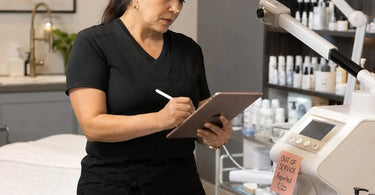
Be prepared for whatever comes next. We all know that sinking feeling. You're in the zone, your client is relaxed, and the soft hum of your equipment is the soundtrack to a perfect service. Then, it happens. A strange noise comes from your trusty Facial Steamer that sounds suspiciously like a cat coughing up a hairball. Or your High Frequency Machine decides to take an unscheduled vacation in the middle of a treatment. Your heart sinks. You feel a wave of panic, quickly followed by the cold dread of knowing you now have to figure out who to tell, how to explain it, and whether anyone will actually fix it before your next client arrives. In the fast-paced world of a busy spa or salon, equipment is the unsung hero of your success. When it breaks down, it doesn't just disrupt a service; it can derail an entire day, stress out your team, and hurt your bottom line. But it doesn't have to be this way.
Let's be honest: the old system of reporting broken equipment probably involves a frantic text to a manager, a sticky note that gets lost, or a shouted plea from the back room that gets lost in the ambient noise of blow dryers and chatter. This is 2026. We're professionals. We deserve a system that's more sophisticated than a game of telephone in a hurricane. A system that's clear, efficient, and maybe even a little bit satisfying to use, so you can get back to doing what you do best: making your clients feel amazing.
The Real Cost of Chaos: Why a System is Non-Negotiable
First, let's talk about why this matters beyond just the annoyance of a broken Salon Equipment. When equipment breaks and there's no clear way to report it, it's not just an inconvenience, it's a business liability.
Think about it. If a Pedicure Chair is leaking and you don't have a standard way to report it, that small drip can turn into a major flood, creating a safety hazard for your clients and your staff. You might find yourself cleaning and disinfecting more than just the chair. A broken Towel Steamer might mean you're using cold towels, which is a surefire way to underwhelm a client who was looking forward to that luxurious warm sensation. And a faulty Wax Warmer? That's a recipe for a sticky, painful, and utterly unprofessional situation that could lead to a negative review and a client who never comes back.
Furthermore, a lack of a system means things fall through the cracks. You might have a verbal agreement that the manager will fix it, but they get busy, they forget, and the equipment sits there like a monument to inefficiency. Weeks later, you’re still tripping over that Ultrasonic Skin Scrubber that stopped working, and you've lost valuable time and money trying to remember what was wrong. Implementing a strong reporting system is an investment in your business's reputation, safety, and sanity. This isn't just about fixing things; it's about creating a culture of accountability and professionalism.
Step 1: Ditch the Dinosaur Methods and Go Digital
The first step to a better system is to drag it kicking and screaming into the 21st century. That means saying goodbye to sticky notes, group texts, and the "I'll remember to tell someone" approach. These methods are unreliable, un-trackable, and they make your life way harder than it needs to be.
Instead, you need a centralized, digital system. This could be a simple as using a shared spreadsheet (like Google Sheets) where everyone can log issues. But for the best results, you should consider a dedicated work order management system or even software designed for maintenance requests. Many business management platforms now include features for this, or you can find affordable, simple apps built just for this purpose.
The beauty of a digital system is that it creates a paper trail. When you log a problem, there's a record of who reported it, when, and what was said. This is crucial for tracking patterns and holding people accountable. Is the same Microcurrent Machine breaking down every three months? Your digital record will show that, and you can then make a data-driven decision about whether to repair it again or invest in a more reliable model from a top-tier brand like Silhouet-Tone.
Think of it like this: you wouldn't run a business without tracking your finances, so why would you run your operations without tracking your equipment health? It's the financial backbone of your service delivery.
Step 2: Create a Super Simple, User-Friendly Reporting Form
Okay, you've decided to go digital. Great! Now comes the fun part: designing the form. The key is to make it so simple that even your most tech-averse staff member can use it without breaking a sweat. If the form is too complicated, people will give up and go back to the sticky notes.
Your form should be accessible from anywhere—a shared tablet at the front desk, a link on your team's communication app, or a QR code posted near the equipment. Here are the essential fields to include:
- Reporter's Name: Who's the hero who caught this issue?
- Equipment Name/Type: Be specific. Is it the Bulbs and Replacement Parts on the Magnifying Light? Or is the entire Facial Steamer on the fritz? Let them pick from a dropdown menu of your main equipment types.
- Location: Which room or treatment area is the problem in? (e.g., Room 2, Nail Station 4).
- Problem Description: This is the most important part. Instead of just "it's broken," get them to describe the symptoms. Is it making a noise? Is it leaking? Is it not turning on? Does it smell like burning plastic? The more detail, the faster the fix.
- Urgency Level: Give them options like "High" (service can't be performed), "Medium" (inconvenient but manageable), or "Low" (annoying but can wait). This helps you prioritize.
- Photo Attachment: A picture is worth a thousand words. Encourage your team to snap a quick photo of the problem. It's an amazing tool for a technician to diagnose the issue before they even arrive on-site.
Step 3: Assign Ownership and Establish Clear Workflows
A report is only useful if someone is responsible for acting on it. You need to establish a clear chain of command. Who receives the initial report? It could be the manager on duty, an operations director, or a dedicated maintenance lead.
Once the report is received, the assignee's job is to:
- Acknowledge the Report: A quick confirmation to the reporter lets them know their concern was heard and is being handled.
- Assess and Investigate: They should go check out the problem, confirm it, and decide on the next steps.
- Create a Work Order: If it needs to be repaired, they should officially log it as a task. This is where you can decide if it's a simple Bulbs and Replacement Parts fix, or something more serious that requires a pro.
- Communicate the Plan: Let the team know what's happening. "The Vacuum and Spray Machine is being repaired on Tuesday, so please plan accordingly."
This workflow means nothing is left to chance. You've created a system that ensures a problem goes from "reported" to "fixed" in the most efficient way possible. If you're a growing business with multiple locations, having a standard operating procedure (SOP) for this is critical to maintaining consistent quality across your brand .
Step 4: Make it a Positive Part of Your Culture
This is the part where we add a little bit of magic to the process. The goal isn't to get your team to just report problems; it's to get them to want to report them. Why? Because you want to catch small issues before they become big, expensive catastrophes.
Celebrate the employees who report issues. Acknowledge them in your team meetings. "Huge thanks to Sarah for catching that the Radio Frequency Machine was acting up on Friday. We called in a repair and it's ready for a full week of business!" This kind of recognition changes the narrative from "being a complainer" to "being a problem-solver."
Make the process low-stress and blame-free. Equipment breaks, it's a part of life. Focus on the fix, not the fault. If you create an environment where staff feel safe to point out problems, they'll be your eyes and ears on the floor. They'll catch that the Professional Spa Apparel is starting to fray or that the Hygienic Table Paper dispenser is jamming, and you'll be able to address it before it affects a client's experience.
Think of your team as the first line of defense in protecting your expensive investments like Top Quality Massage Tables Chairs for Relaxation & Wellness from Earthlite or Luxury Spa Furniture. When they feel empowered, they’ll help you protect them.
Step 5: Analyze the Data and Get Proactive
This is where you unlock the superpower of your new system. After a few months, you'll have a goldmine of data. You can see:
- Which equipment breaks down most often?
- Which brands are the most reliable? (Spa Masters vs. Prosana vs. Equipro)
- What are the most common problems?
- How long does it typically take to get things fixed?
- Are there specific times of the year when more things break?
This data is pure gold. It allows you to move from a reactive maintenance mindset to a proactive one.
For example, if your data shows that your Wax Warmers from ItalWax need recalibration every six months, you can schedule a preventative maintenance day. If you notice that certain parts, like the Bulbs & Replacement Parts for your Magnifying Lights, need to be replaced every year, you can bulk order them in advance to avoid downtime.
This is the difference between surviving and thriving. Instead of constantly putting out fires, you're building a fortress of reliability. You're ensuring that your Stylish and Functional Nail Salon Furniture and Professional Salon Equipment are always ready to deliver the premium service your clients expect .
Putting It All Together: Your Equipment Report Card
To truly make this system work, treat it like a report card for your business's operations. Schedule a monthly or quarterly "equipment health" meeting. Review the reports, see what's trending, and plan your maintenance budget accordingly.
This is also the perfect time to evaluate your supplies. If your High-Quality Towels are getting threadbare, or your Professional Cotton, Sponges, and Wipes are running low, you can make a note in your system to restock from Turkish Towel Company or Graham Beauty, ensuring you never run out of the essentials. By linking your equipment and consumable inventory, you're creating a seamless, efficient machine.
Remember, a system is only as good as the people who use it. So, train your team, celebrate their wins, and use the data to make smarter decisions. You'll not only save money and stress, but you'll also create a workplace that's smoother, more professional, and way more fun to be a part of.
)