
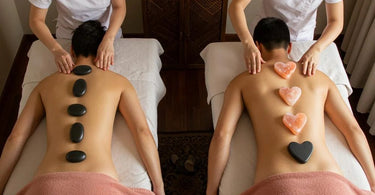
Because smarter choices lead to better outcomes... and let's face it, nobody wants a "one-size-fits-all" massage that feels like it was designed by a robot with zero chill. Hot stone massage is one of those luxurious treatments that can either send your client into a state of bliss or leave them wondering why they just paid for a fancy rock collection to sit on their back. The secret? Hot stones are your friends, but only if you know how to use them like a pro. Here's how to tailor every session so your clients leave feeling like they just melted into a puddle of pure relaxation.
First things first, let's talk about stones. Not all basalt stones are created equal—some are smooth, some are textured, and some are just there to look pretty. The key is matching the right stone to the right client. A deep-tissue junkie? Go for larger, heavier stones to really sink into those knots. A sensitive newbie? Smaller, warmer stones with a gentle touch will ease them into the experience. And if your client is the type who jumps at the slightest touch, maybe skip the ice-cold marble stones (unless you enjoy startled yelps mid-session).
Step 1: The Consultation—Where Magic (and Common Sense) Happens
Before you even think about heating those stones, have a real conversation with your client. Ask about their pain points, sensitivities, and even their stress levels. Did they just survive a family reunion? Are they training for a marathon? Do they have a mortal fear of anything hotter than room-temperature soup? This isn't just small talk—it's your roadmap to a killer massage. Pro tip: Keep notes. Nothing says "I care" like remembering that Karen hates pressure on her left shoulder because of that one yoga incident in 2018.
Step 2: Temperature Matters—Don't Turn Your Client Into a Lobster
Hot stone massages aren't about testing your client's pain tolerance. The ideal temperature is warm enough to relax muscles but not so hot that your client starts sweating like they're in a sauna. Use a towel steamer to keep your stones at the perfect temp, and always test the heat on your own skin before placing them on your client. If you wouldn't comfortably hold it for 10 seconds, it's too hot. (And no, "but it's a dry heat" isn't a valid excuse.)
Step 3: Pressure & Placement—The Art of Not Overdoing It
Some clients want the stones to do all the work—gentle, flowing strokes that lull them into a zen-like state. Others want you to dig in like you're searching for buried treasure. Pay attention to their feedback (both verbal and non-verbal). If they tense up when you apply pressure, ease off. If they let out a sigh that sounds like they've been holding it in since 2020, you're on the right track. And remember: Stones can be placed strategically on acupressure points for maximum effect—just don't leave them in one spot too long unless you're aiming for the "I just got branded" look.
Step 4: Custom Blends—Because Scent is Everything
Why stop at heat when you can add aromatherapy? A few drops of lavender essential oil can turn a good massage into a "I need to move in here" experience. For clients who need an energy boost, try citrus or peppermint. Just make sure they're not allergic—nothing ruins the vibe faster than a sneezing fit mid-massage.
Step 5: The Finishing Touch—Don't Just Walk Away
When the massage is over, don’t just hand your client a water bottle and shoo them out the door. Offer a warm towel to wipe off excess oil, suggest some stretches, or even recommend a sugar scrub for post-massage glow. This is your chance to make the experience unforgettable—so they’ll rebook before they even put their shoes back on.
Bottom line? A hot stone massage should feel like it was made just for them—because it was. Ditch the cookie-cutter routine, listen to your clients, and watch your bookings (and tips) skyrocket. Now go forth and melt some stress away—responsibly.
