
Stay competitive with this pro tool. Let's be real, the only thing more terrifying than a client asking for a last-minute full-leg wax is the sight of a health inspector walking through your door. Your heart races, your palms get sweaty, and you suddenly notice every speck of dust you've been ignoring for weeks, every single stray hair on the floor, and that one mystery stain on the wax pot you've been trying to avoid. You immediately start envisioning a failing grade, a public shaming on the health department's website, and a deep cleaning session that lasts well into the night. But what if I told you that the secret to acing a health inspection isn't a frantic, late-night panic-scrubbing session, but rather a simple, daily routine of proactive preparation? That is absolutely the truth. In this blog post, we're going to walk through everything you need to know to face a health inspector with the confidence of a seasoned pro, not the fear of a newbie who just realized they used the last of the disinfectant wipes. We'll cover the common pitfalls, how to build a robust cleaning system, and the best wholesale supplies to keep your business shining bright and perfectly compliant, all without the last-minute chaos.
First things first, let's acknowledge the elephant in the room—or rather, the health inspector with a clipboard. The pressure is on to maintain impeccable standards. Health inspections are a standard part of the industry, and they are designed to protect you, your staff, and your cherished clients. They check for everything from proper chemical storage to the cleanliness of your nail tables to the sanitation of your pedicure chairs. Failing to meet these standards can result in hefty fines, mandatory closures, and a damaged reputation that's tough to bounce back from. But here's the good news: staying ahead of the game is much easier than you think. It's all about building a foundation of consistent, daily habits rather than relying on a single, massive effort. By making professional cleaners and disinfectants your best friends, you can transform your salon or spa into a fortress of cleanliness that will impress any inspector who walks through the door .
Understand What Inspectors Are Looking For
Knowledge is power, and in this case, it's the power to stay calm and collected. Health inspectors aren't trying to ruin your day; they are tasked with enforcing safety regulations to prevent the spread of infections and diseases in settings like yours. They operate from a checklist based on local and state regulations, which often follow guidelines from bodies like the CDC and OSHA . It's a good idea to get a copy of your local health department's inspection form. This document is basically a cheat sheet to success! Knowing exactly what they're looking for takes the mystery out of the process and allows you to focus your efforts where they matter most. Common areas of scrutiny include the cleanliness of surfaces, proper chemical storage, handwashing facilities, the sanitation of tools and implements, and your overall documentation.
The Core Essentials: Your Daily Checklist
To avoid panic, your daily operations should flow like a well-choreographed dance. Here is a breakdown of key areas to focus on:
1. Hand Hygiene is Non-Negotiable
This is one of the easiest ways to show you are serious about safety. A dedicated handwashing sink must be accessible and located in the service area—not just in the restroom . It must have hot and cold running water, soap, and single-use paper towels. Your staff should be washing their hands before and after every single client. It's a simple action that screams professionalism and greatly reduces the risk of cross-contamination. You can find protective gloves and masks to add an extra layer of safety when working with clients .
2. The Art of Cleaning, Disinfecting, and Sterilizing
This is the bread and butter of any health inspection. There is a distinct difference between cleaning and disinfecting. Cleaning removes dirt and debris, but disinfection kills germs. You need to do both . All reusable tools, implements, and equipment that come into contact with clients must be properly disinfected. Inspectors will look for an EPA-registered hospital-grade disinfectant and will check to see that you are following the manufacturer's instructions, especially the contact time (often 10 minutes or as directed) . For porous items like emery boards, pumice stones, and wooden sticks, they are single-use and must be discarded immediately after use . This is where investing in a steady supply of professional cotton products and single-use applicators pays off.
3. Pedicure Station Maintenance
Your pedicure chairs are a major focal point for health inspectors. Fungal and bacterial infections like Athlete's Foot can easily spread through poorly maintained footbaths . The cleaning process for pedicure chairs and spas must be thorough and consistent. After each client, you need to drain the water, remove all debris, clean the basin with soap and water (including removing and cleaning any jet covers), and then disinfect the basin with an EPA-registered disinfectant for the required contact time. For whirlpool jets, you may need to run the disinfectant through the system as per the manufacturer's instructions to ensure the internal pipes are also cleaned. Many professionals are now using disposable pedicure basin liners for an extra layer of protection and easier clean-up.
4. Waxing and Hair Removal Protocols
Waxing is one of the most common services and also one of the most scrutinized. Wax pots must be kept clean and free of debris. A major red flag is double-dipping; you must use a new, clean spatula for each client to avoid cross-contamination . Ensure your professional wax warmers are in good working order and that the area around the pot is clean. Always use a new spatula for each client to remove wax, and never leave sticks or applicators sitting in the wax. For services like dermaplaning or anything that could break the skin, strict sterile protocols must be followed . Stock up on high-quality wax and all necessary applicators from trusted brands.
5. Your Workstations and Furniture
Your workstations are a reflection of your business. They should be clean, organized, and free of clutter . All furniture like massage tables and manicure stations should be in good repair, with no rips or tears that can harbor bacteria. Clean linens and towels should be stored in a closed cabinet, while soiled ones should be placed in a labeled, covered container . Maintaining a clean and professional workspace not only impresses inspectors but also enhances your clients' experience.
6. Chemical Storage and Documentation
Safety Data Sheets (SDS) for all your products must be readily available for inspector review . This shows that you are aware of the chemicals you are using and that you're compliant with OSHA standards. This may seem tedious, but it is a vital part of being a professional. All chemicals must be properly labeled, and you should never store them near food or client-use products in a way that could cause contamination. Having this documentation in a binder shows you are a well-organized business.
Beyond the Basics: Proactive Strategies
Now that you have the daily routine down, it's time to become a master of preparation. Here are a few advanced strategies to ensure you never need to panic again:
- Create a Cleaning Schedule and Log: Don't rely on memory. Create a checklist for daily, weekly, and monthly cleaning tasks. Assign them to specific staff members and have them sign off. Keep these logs, as a record of your cleaning schedule is one of the most convincing things you can present to an inspector .
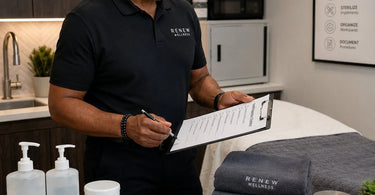
- Conduct a "Mock" Inspection: This is a game-changer. Once a month, grab a clipboard and pretend to be an inspector. Walk through your entire facility with a critical eye. Check under the sinks, on top of the cabinets, and behind the furniture. Look at your facility as if you were seeing it for the first time. This will help you identify issues before the health department does .
- Train Your Team: Your staff is your first line of defense. Ensure everyone is trained on your cleaning and disinfection protocols. Regular training sessions will reinforce best practices and create a culture of cleanliness in your business. A well-trained team instills confidence in both clients and inspectors.
Your Partner in Proactive Prep: Pure Spa Direct
At Pure Spa Direct, we understand the pressures of running a successful spa or salon. We're here to make your job easier by providing you with all the must-have supplies for salon and spa business success. From high-quality professional cleaners and disinfectants to durable hygienic table paper and comfortable protective gloves, we've got you covered. We also carry top brands like ItalWax and Gigi, plus all the necessary waxing accessories.
Remember, an ounce of prevention is worth a pound of cure. You won't need to panic clean if you follow these steps. Think of your health inspection not as a test, but as an opportunity to showcase the high standards of your business. So, take a deep breath, grab your disinfectant wipes, and let's get organized! If you're looking to upgrade your equipment, consider checking out our selection of top-quality equipment and furniture for spas and salons.
By building these habits, you'll not only pass your inspection with flying colors but also create a safer, more professional environment for your clients and staff. And if you're ever in doubt, remember that you can always find all the professional-grade tools and supplies you need right here at Pure Spa Direct. Together, let's make inspections a breeze! We're here to help you look good and stay clean.
