
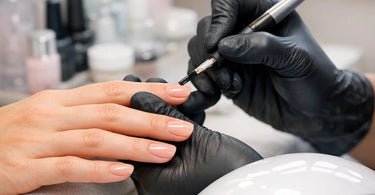
Start your day with smarter tools, not a side of itchiness with your morning coffee. If you’re a nail tech, you know the drill: perfectly sculpted nails, a color so juicy it looks like candy, and a client who leaves walking on air. But lurking behind that glossy finish is a beast we’re all learning to wrangle – the dreaded gel allergy. It’s the uninvited guest at the manicure party, causing redness, itching, and the kind of finger swelling that makes typing your client notes a nightmare. We’re here to turn that guest away at the door. This isn’t just about avoiding a rash; it’s about protecting your livelihood, your clients’ health, and your reputation as a meticulous pro. So, grab your favorite professional nail care supplies and let’s get into the nitty-gritty of keeping those gel manis safe, sound, and spectacular.
What in the World is a Gel Allergy, Anyway?
Imagine your client’s immune system is a slightly overprotective friend. Most of the time, it’s great. But sometimes, it mistakes a perfectly harmless ingredient for a villain. That’s essentially what happens with an allergic contact dermatitis to gel polish . The usual suspects? HEMA (2-hydroxyethyl methacrylate) and TPO (trimethylbenzoyl diphenylphosphine oxide) are the most common culprits . These are the superhero chemicals that make gel polish hard, durable, and shiny, but if they come into direct contact with skin and aren’t properly cured, they can trigger a sensitivity over time . Think of it like building up a tolerance to the wrong thing. The first time, nothing happens. The tenth time? Your immune system might decide it’s had enough and stage a protest in the form of an angry, itchy rash that can take weeks to calm down . The good news? This is almost entirely preventable. And that, my friend, is where we come in.
Step One: The Cure is Worse Than the... Actually, No, The Cure is Essential.
Proper curing isn’t just a suggestion; it’s the law of the land in the gel universe. When gel polish isn’t fully cured, it remains partially liquid underneath that hard surface. Those uncured monomers are free to seep into the surrounding skin, and that’s when the sensitization party gets started .
Matchmaker, Make Me a Match (With My Lamp!)
Not all lamps are created equal, and they aren’t all soulmates for every polish. Using the wrong lamp for a particular brand of gel is like trying to bake a cake in a microwave. It might look done on the outside, but the inside is a gooey, allergy-causing mess. Always, always check the manufacturer’s instructions. Does it need an LED or a UV lamp? And for how long? We love a good multi-tasker, but when it comes to lamps, one size rarely fits all. Check out the LED Bright Lamps and other options we have to make sure your equipment is up to snuff.
The Skinny on Layers (Hint: They Should Be Thin)
We know the temptation. You want to give your client that opaque, juicy color in one swipe. Resist! Thick layers are the enemy of proper curing. The light can’t penetrate a thick layer all the way through, leaving a tacky, uncured layer underneath . This is a prime suspect in allergy cases. Always apply thin, even coats. Two thin coats are infinitely better than one thick one that puts your client’s health at risk . Think of it like painting a masterpiece – it’s all about the layers, baby.
Step Two: Keep It in the Lines (Like Your Life Depends on It)
Remember coloring in kindergarten? The goal was to stay inside the lines. The same principle applies to gel application, except the stakes are higher than a gold star. Skin contact is the number one cause of gel allergies .
The Art of the Gap
When you apply base coat, color, and top coat, you need to leave a tiny margin around the cuticle and sidewalls. We’re talking a millimeter or so. This isn’t a sign of shoddy workmanship; it’s a sign of a pro who knows that product on skin is a recipe for disaster . If gel touches the skin, it can migrate, and during curing, it can cause a heat spike or, worse, start the sensitization process. Use a super-thin brush or a cleanup brush dipped in alcohol before curing to erase any oopsies. Investing in quality tools like Nail Brushes & Tools can make this precision work a breeze.
The "Floating" Technique
Practice the art of floating your gel onto the nail. Don’t press the brush down so hard that the product floods the cuticle. Let the product flow off the brush gently, guiding it where you want it to go. It takes practice, but it’s a game-changer. And hey, if you do flood, have those Applicators & Spatulas handy with some isopropyl alcohol to clean it up immediately.
Step Three: The Great Un-doing (Safe Removal is a Ritual)
If application is the honeymoon phase, removal is often the messy divorce. But it doesn’t have to be! How you remove gel is just as critical as how you apply it when it comes to preventing allergies and maintaining nail health. The cardinal sin? Picking or peeling. We get it. It’s satisfying in a weird, destructive way. But when you peel off gel, you are ripping off layers of the natural nail plate with it . This thins the nail and creates microscopic traumas that can make the nail bed more vulnerable to irritation and infection .
The Soak-Off Sanctuary
Safe removal is a ritual. First, gently buff the top coat to break the seal. You don’t have to go crazy; just rough it up so the acetone can penetrate . Then, saturate a cotton pad with 100% pure acetone. Place it on the nail and wrap it tightly with foil or use professional removal clips. Let it sit for 10-15 minutes . No longer! Acetone is drying. After the time is up, the gel should be puffy and cracked. Gently push it off with an orangewood stick or a Nail File & Buffer. It should slide off easily. If it’s stuck, re-wrap and wait a few more minutes. Never, ever force it.
The Post-Removal Pamper
Acetone is thirsty work for nails and skin. After removal, wash hands with a gentle soap, pat dry, and go to town with a nourishing Cuticle Oil and a rich hand cream . This isn’t just pampering; it’s essential repair. Hydrated skin is a strong barrier. Dry, cracked skin is an open door for irritants . Brands like CND and OPI offer amazing after-care products to keep your clients’ hands in tip-top shape.
Listen to Your Hands (and Your Clients’!)
So, what if you suspect an allergy has already gate-crashed? The signs are pretty unmistakable: persistent itching, redness, tiny blisters, or dry, peeling skin around the nails that can sometimes spread to the face or neck . If you or a client experience this, it’s time to stop using gel immediately.
Treat the skin gently. Use mild, fragrance-free cleansers and apply a barrier cream to help restore the skin’s protective layer . Cool compresses can soothe the itch, and an over-the-counter hydrocortisone cream might help for mild reactions . But if it’s severe, spreading, or showing signs of infection (like oozing or fever), a trip to the dermatologist is non-negotiable . They can perform a patch test to pinpoint the exact allergen .
The rise in gel allergies is real, but it’s not a reason to ditch your favorite service. It’s a reason to level up. By treating every application with surgical precision, using high-quality, professional-grade products from trusted brands like Gelish, Cuccio, or SNS found in our Professional Gel Polish collection, and committing to flawless curing and removal, you’re not just doing nails. You’re building trust, ensuring safety, and creating beautiful art that doesn’t come with a side of regret.
So go forth, cure with confidence, keep it off the skin, and remove with reverence. Your clients’ fingers (and your sanity) will thank you. And remember, for everything from Manicure Essentials to the latest in hygienic supplies, Pure Spa Direct has your back. Now, who’s ready to book their next gel appointment?
)