
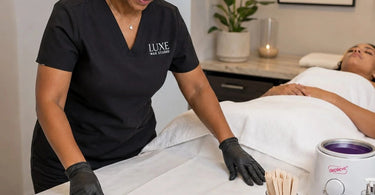
Innovation meets affordability in the world of professional waxing, where the only thing that should be sticking is your hair removal formula to the hair, and definitely not to your expensive treatment table linens! Let's face it, there is nothing quite like the panic that sets in when you peel back a strip to find a chunk of ItalWax - Wax has decided to become a permanent resident on your favorite Salon & Spa Bedding. You spend all that time making your treatment room look like a sanctuary, and one little drip can turn it into a crime scene of sticky proportions. But fear not, beauty warriors! Preventing this sticky situation is not only possible, it's easier than convincing a client to try that new Brow Lamination Supplies for Perfect Brows you just got in. We're diving deep into the world of wax prevention, so you can keep your linens looking fabulous and your sanity intact.
Let's be real, cleaning up wax from linens is the worst. It's right up there with dropping a brand new pot of Professional Gel Polish on the floor or realizing you are out of Professional Cotton, Sponges, and Wipes in the middle of a service. Not only does it waste precious time and product, but it can also ruin your high-quality linens, leading to a not-so-fun shopping trip for replacements. This blog is your ultimate guide to banishing those wax-induced frowns. We'll cover everything from the right supplies and smart techniques to cleaning hacks that will make your life a whole lot easier. So, grab a cup of coffee, put your feet up, and get ready to become a wax-prevention pro!
The Sticky Situation: Why Wax and Linens Are Frenemies
Why, oh why, does wax love to cling to fabric like a long-lost friend? It all comes down to chemistry, darling! Most salon waxes, whether it's a hard wax like Berodin or a soft wax like Starpil, are designed to adhere to hair and skin. This is great for hair removal but not so great when it encounters the fibers of your linens. When the warm wax makes contact with the fabric, it seeps into the tiny spaces between the threads. As it cools, it hardens, creating a bond that can be very difficult to break without the right know-how. This problem is exacerbated by the fact that many spa linens, particularly those made of 100% cotton, are highly absorbent and can hold onto wax residues even after a wash. To add to the drama, some waxes, especially those with a lower melting point, can leave behind oily stains that are just as frustrating to remove as the solid wax itself.
Your Secret Weapons: Must-Have Supplies for Wax-Free Linens
The key to winning the war against wax is to not let it touch your precious linens in the first place. Think of it as a protective shield strategy. With the right supplies, you can create a barrier that laughs in the face of sticky drips. Here are your essential tools for the job.
1. Dedicated Waxing Pads: The Ultimate Protection
If you aren't using a waxing pad, you are basically inviting chaos into your treatment room. These are the unsung heroes of the waxing world, specifically designed to protect your tables and linens. A quality waxing pad is typically made of a non-stick, durable material like polyurethane that repels wax, oils, and water . Imagine a world where a stray glob of wax simply peels right off, leaving no trace behind. That is the magic of a wax pad.
These pads come in various sizes, like the commonly used 72 inches by 27 inches or the extra-large 75 inches by 36 inches, ensuring full coverage for your treatment table . When selecting a waxing pad, look for features like a fabric backing that prevents slipping and bunching, and a lightweight design that is easy to store, especially if you offer mobile services . They are available in a range of colors, including practical black, which helps conceal any staining from products like Professional Sunless Tanning Products . Some waxing pads are even machine-washable, making them an eco-friendly and cost-effective alternative to disposable options . Use these pads underneath your main linens to catch any rogue drips, and you will save yourself hours of scrubbing and frustration.
2. The First Line of Defense: Hygienic Table Paper
For an extra layer of protection, especially during quick turnarounds between clients, Hygienic Table Paper is your best friend. This disposable paper is placed directly on the treatment table before you put down your linens. Not only does it provide a clean, sanitary surface for every client, but it also acts as an absorbent barrier that catches oils, lotions, and, of course, wax . It's a fantastic way to protect your Top Quality Massage Tables Chairs from the sticky onslaught of a waxing service. The best part? When you're done, you just roll it up and toss it away. No laundry, no fuss, just pure, unadulterated convenience. Using table paper is an incredibly simple and affordable way to maintain a high standard of hygiene and extend the life of your linens and furniture.
3. Quick Cleanup: Wax Strips and Applicators
While not a preventative measure for your linens per se, using the right application techniques and tools can dramatically reduce the chance of a spill. Using Quality Wax Strips & Rolls for Effective Hair Removal ensures you are applying the right amount of product and removing it cleanly. When you are using a Soft Strip Wax for Effective Salon Hair Removal, be mindful of the amount of wax you are spreading on the strip. A glob that is too thick is a drippage disaster waiting to happen. And always remember, if you are using pot wax, use your Professional Wax Spatulas and Applicators for Salons & Spas to control the flow and keep the wax on the skin, not on the table.
Fabric Matters: Choosing the Right Linens for Waxing Services
Not all linens are created equal in the battle against wax. The type of fabric you choose for your treatment table can significantly impact how easily wax will stick and how well it releases. Here's a quick guide to help you make the best choice for your waxing services.
- Microfiber: This synthetic fabric is a champion in the salon. It is lightweight, fast-drying, and has a smooth surface that makes it more difficult for wax to penetrate and adhere compared to natural fibers like cotton . It is also less absorbent, meaning oils and wax won't soak in as deeply. However, it's worth noting that microfiber can be sensitive to oil buildup, so it's important to pre-treat oil stains before washing to keep them performing at their best .
- Cotton/Poly Blends: These offer a good middle ground, combining the softness of cotton with the durability and wrinkle-resistance of polyester . They are less absorbent than pure cotton, making them a more practical choice for waxing services where spills are a common occurrence.
- 100% Cotton: While cotton is loved for its comfort and breathability, it is like a sponge for oils and wax. It easily absorbs products, making stains harder to remove and increasing the likelihood of wax becoming permanently trapped in the fibers . If you love using cotton, you'll need to be extra vigilant with your barrier methods.
Regardless of the fabric you choose, always consider using a waterproof-backed linen for treatments that are particularly heavy on oils and waxes . This provides an impermeable barrier that protects your table's fleece pad and heating elements from moisture and stains.
The Art of the Cleanup: Removing Wax That Did Stick
Okay, so despite your best efforts, disaster struck. A glob of warm wax jumped ship and landed on your linen. Don't panic! All is not lost. The secret to removing wax from fabric lies in working with its properties, not against them. Here is a step-by-step guide on how to rescue your linens like a pro.
Step 1: Let It Harden and Scrape Gently
It is crucial to let the wax cool and harden completely before you try to remove it. If you attempt to wipe it off while it is still warm, you will just smear it deeper into the fabric, making the problem a thousand times worse . You can speed up the hardening process by placing an ice pack on the wax for a few minutes, being careful not to wet the fabric . Once it is solid and brittle, use a dull edge, like a butter knife or a credit card, to gently scrape away the excess wax . Work from the outside of the stain toward the center to avoid spreading it. It is extremely satisfying to see those hardened chunks of wax just flake off, making way for the next step .
Step 2: Treat the Residue with TLC
Even after you've scraped off the bulk of the wax, you will likely be left with an oily stain. This is the remnants of the wax that have soaked into the fibers. To tackle this, you can use a few different techniques. One effective method is to place a clean paper towel or cotton cloth over the stain and apply a warm (not hot) iron to it. The heat will melt the remaining wax, and the paper towel will absorb it . Make sure to move the paper towel to a clean area as it absorbs the wax. For more stubborn residues, you can apply a small amount of citrus-based cleaner, paraffin oil, or any mineral-based oil to the stain before washing . Always test any cleaning agent on an inconspicuous area first.
Step 3: Proper Washing and Drying
Once you've treated the stain, it's time to wash your linen. Always follow the manufacturer's care instructions, but generally, a cold or warm wash with a good quality laundry detergent is your best bet. Avoid using bleach or fabric softeners, which can damage the fabric and set stains [citation:1,8]. Most importantly, do not put the linen in the dryer until you are absolutely certain the stain is completely gone. The heat from the dryer can set any remaining oily residue, making it permanent and ending your chances of a full recovery . Hang dry your linens if possible or tumble dry on a low heat setting.
By following these simple yet effective strategies, you can keep your treatment table linens looking fresh, clean, and inviting. Remember, a little prevention and the right supplies go a long way. So, go forth, wax with confidence, and show that sticky stuff who's the real boss of your salon!
