
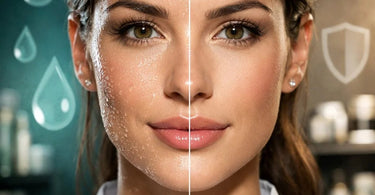
Elevate your results today by decoding the single most common skincare confusion we see walking through our spa doors: the difference between a parched complexion begging for a drink and a compromised barrier screaming for structural support. You have clients who slather on hyaluronic acid serum like it is going out of style, yet their skin still feels tight, looks dull, or reacts to products they have used for years. Bless their hearts, they think they are dry, but honey, they might be broken—barrier broken, that is. As the go-to B2B source for everything from massage oils to advanced facial treatment products, we at Pure Spa Direct believe in arming you with the knowledge to become the skincare detective your clients didn't know they needed. We are not just dropping a shipping box on your doorstep; we are handing you the tools to transform confused complexions into radiant, resilient cash cows. So grab your magnifying light and a cup of something caffeinated, because we are about to get nerdy—and a little bit snarky—about lipids, humectants, and the retail fixes that actually work.
Let us start by clearing up a myth that has caused more over-spending at the skincare counter than almost anything else: hydration is not the same as moisture, and neither of them is the same as barrier repair. Hydration is about water content. It is what gives skin that plump, juicy, 'I just had eight glasses and a facial' look. Barrier repair, on the other hand, is about the lipids—the 'mortar' between our skin cell 'bricks'—that keep that water from evaporating into thin air and prevent irritants from throwing a party in your client's dermis. If you have a client with a damaged barrier, you could pump them full of the most expensive premium skincare products on the planet, and their face would still feel tight and sting like a angry hornet. It is the skincare equivalent of trying to fill a bathtub with no drain plug. You need the plug, bestie. That plug is barrier repair.
The Tell-Tale Signs: Is It Dehydrated or Is It Damaged?
This is where your expertise as a professional comes in, and where your retail recommendations can either make you a hero or a zero. A client with dehydrated skin (but a healthy barrier) will often describe their skin as feeling tight, looking a little dull, and showing fine lines more prominently. It is a cry for water. They will benefit from ingredients like glycerin, aloe, and everyone's favorite overachiever, hyaluronic acid—the humectants that pull water into the stratum corneum . You can find these hydration heroes in lightweight serums and gel-based moisturizers that feel like a tall drink of water for the face. But a client with a compromised barrier? Oh, honey, their skin is telling a different, much more dramatic story. They will report stinging or burning upon product application—even with products that are supposedly 'gentle.' They have persistent redness, flaking that no amount of scrub seems to fix, and breakouts that pop up in angry, inflamed patches where bacteria has snuck through the cracks in their protective shield . These are the clients who need you to guide them away from the brightening acids and toward the soothing embrace of barrier-repairing ingredients.
Ingredient Spotlight: Building Your Retail Arsenal
When it comes to fixing a broken barrier, you need to think like a general contractor, not just a decorator. You are rebuilding the wall, not just painting it. This means recommending products rich in emollients and occlusives—the ingredients that mimic the skin's natural lipid structure . Ceramides are your holy grail here; they are the literal building blocks of the skin barrier, helping to patch the cracks and restore order. Look for formulas that also contain cholesterol and fatty acids, which work synergistically with ceramides to create a fully functional repair system . Niacinamide, that multi-tasking vitamin B3, is also a superstar for barrier support, helping to boost lipid production and calm inflammation . On the occlusive front, ingredients like shea butter, jojoba oil, and squalane act as that crucial 'seal' over the top, locking in all the good stuff and preventing that dreaded transepidermal water loss (TEWL) . You can stock up on these repair heroes through our must-have spa retail products collections, ensuring you have the right tools for every skin story.
The Perfect Pairing: Why They Need Both (and How to Sell It)
Here is the million-dollar secret that will make your retail sales sing: hydration and barrier repair are not enemies; they are a power couple. They need each other. You cannot have true, lasting hydration without a healthy barrier to keep the water where it belongs. And you cannot fully repair a barrier without providing some hydration to support the cellular environment. This is where your consultative genius comes in. For a client with mild, occasional dryness and a generally happy complexion, a single product that combines both functions—like a rich moisturizer with humectants and emollients—might be plenty. But for the client whose skin is red, reactive, and angry at the world? You need a two-step plan. First, have them apply a targeted hydrating serum to damp skin (this is crucial—damp skin loves humectants). Then, immediately follow up with a barrier-focused cream or balm to lock it all in . This is the 'soak and seal' method, and it is pure magic. When you explain this to a client, you are not just selling them two products; you are selling them a system. You are giving them the 'why' behind the 'what,' and that builds trust—and trust builds loyalty.
Don't Forget the Supporting Cast: Tools of the Trade
While you are upgrading your facial protocols and retail shelves with the perfect balance of hydrating serums and barrier-repairing balms, do not overlook the supporting cast that makes these treatments shine. The right facial steamers, for instance, can gently warm and prepare the skin to accept those reparative ingredients more effectively. A high frequency machine can be a game-changer for calming inflamed, barrier-compromised skin by using oxygen to kill bacteria and promote healing. And let's be real, presenting a retail product in a gorgeous, hygienic jar or bottle from our collection instantly elevates its perceived value. Your clients are not just buying a cream; they are buying a piece of your professional, curated experience. They want to feel like they are taking a little bit of your treatment room magic home with them.
Retail Script: What to Say (and What to Sell)
Let us get down to the nitty-gritty. You have a client in the chair, fresh off a calming facial you performed using some of our incredible spa essentials. Her skin is pink and slightly reactive. She says, 'My skin just feels so dry all the time, and nothing I use seems to help. I keep buying expensive moisturizers, but they just sit on top or make me break out.' Do not—I repeat, do not—simply point her to the most expensive cream on your shelf. Instead, lean in conspiratorially and say something like, 'You know what, I took a close look at your skin today, and I actually think the issue isn't dryness—it's that your skin's protective barrier is a little compromised. Think of it like a roof with some missing shingles. No matter how much rain (or hydration) you pour on it, it's going to leak. So what we need to do is fix the roof first. I'm going to send you home with this barrier repair cream packed with ceramides to rebuild that protective layer. Once your barrier is stronger, your skin will actually be able to HOLD onto the moisture you give it.' Then, you hand them a tube of something amazing from a brand we carry, like Murad or Tuel Skincare. You are not just a salesperson; you are a translator for their skin. That is worth its weight in gold.
When to Call in the Heavy Hitters: Equipment for Barrier Rescue
Sometimes, retail alone isn't enough, especially for chronically stressed or damaged skin. This is where your advanced advanced spa equipment becomes the ultimate problem-solver. Treatments that support barrier repair and deep hydration can become high-ticket, results-driven services that your clients cannot get anywhere else. Think about incorporating a calming LED light therapy session, which uses specific wavelengths to reduce inflammation and stimulate cellular repair. Or, consider the deeply soothing effects of a cold hammer therapy to reduce redness and calm reactivity post-procedure. Pairing an in-spa treatment with the perfect take-home regimen is the ultimate one-two punch for skin recovery. It positions you as the expert who can diagnose and treat the problem at its source, not just slap a band-aid on it. And when your clients see real, tangible improvement, they will not only keep coming back for more services, but they will also trust you implicitly for every single product recommendation you make.
So, the next time a client laments about their 'dry' skin, remember this little chat. Look deeper. Ask the right questions. Is it truly thirsty, or is it broken? By understanding the critical difference between hydration and barrier repair, you are not just choosing retail products; you are curating solutions that deliver genuine, lasting results. And that, my friends, is how you build a business that glows from the inside out. Now go forth, educate those complexions, and watch your retail numbers climb. And if you need to stock up on everything from ItalWax to Earthlite tables, you know exactly where to find it. Right here, at Pure Spa Direct. We are your partner in professional crime, always.
)