
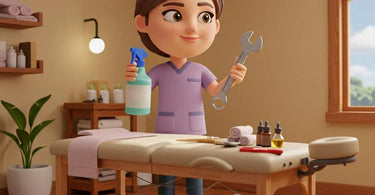
Elevate treatments effortlessly with properly maintained massage equipment that doesn't squeak, wobble, or otherwise embarrass you during client sessions. Let's be honest: there's nothing less relaxing than a massage table that sounds like it's starring in a horror movie every time your client shifts position. Regular maintenance isn't just about extending the life of your equipment—it's about preserving your professional reputation and ensuring every client leaves feeling pampered, not perplexed by peculiar noises. Your massage tables, chairs, and warmers work harder than a therapist during holiday season, so they deserve some TLC too!
Well-maintained equipment speaks volumes about your professionalism before you even utter a word. Clients notice when your massage table feels solid and secure versus when it wobbles like a toddler taking their first steps. Plus, regular maintenance saves you money in the long run by preventing costly repairs or replacements. Think of it as giving your equipment regular massages—they'll return the favor by performing better and lasting longer.
The Foundation of Your Practice: Massage Table TLC
Your massage table is the MVP of your practice, supporting both you and your clients through countless sessions. Start with the frame: monthly, check all bolts and screws for tightness. A loose bolt is like that one client who always shows up late—eventually, it's going to cause problems. Use the appropriate wrench (usually included with your table) to gently tighten everything without over-tightening and stripping the threads.
The upholstery deserves special attention too. Wipe down vinyl surfaces after each client with a mild, non-abrasive cleaner—harsh chemicals can break down the material faster than a stress knot melts under pressure. For massage table warmers and toppers, follow manufacturer instructions carefully to prevent overheating and ensure even warmth distribution. Remember to regularly inspect the foam padding for signs of compression or wear; nobody wants a table that feels like sleeping on a cafeteria tray.
Keeping the Heat: Maintaining Your Warmers and Hot Stone Equipment
Hot therapy equipment requires particular attention since it involves both electrical components and temperature regulation. For hot stone warmers, descale monthly if you live in an area with hard water—mineral buildup can reduce heating efficiency and eventually kill your unit. Use a commercial descaling solution or equal parts white vinegar and water, then run several clean water cycles afterward to eliminate any vinegar residue.
Check electrical cords regularly for fraying or damage, especially near plugs and where cords enter the units. For towel warmers and towel steamers, wipe down the interior regularly to prevent mineral deposits and always ensure proper water levels according to manufacturer guidelines. Never operate these units dry—it's like giving a massage without oil: uncomfortable for everyone involved.
The Support Team: Bolsters, Cushions, and Accessories
Don't neglect the supporting cast! Massage bolsters and face cradle cushions need regular cleaning and inspection. Removable covers should be laundered according to manufacturer instructions, while fixed upholstery should be spot-cleaned with appropriate solutions. Check stitching and seams for signs of wear—a bursting bolster during a session would definitely kill the relaxation vibe.
For face cradles, pay special attention to the adjustment mechanisms and locking features. A slipping face cradle mid-session is the professional equivalent of your pants splitting during a presentation. Lubricate moving parts with silicone spray (not oil-based lubricants that can damage materials) and ensure all locking mechanisms engage securely.
Electrical Equipment: Don't Get Zapped by Neglect
Electrical spa equipment requires careful handling and regular inspection. Always unplug equipment before cleaning or maintenance—getting electrocuted definitely isn't on your service menu. Use compressed air to gently remove dust from vents and internal components of massage chairs and other electronic equipment.
For hydraulic components in adjustable tables and chairs, check fluid levels according to manufacturer recommendations and watch for leaks. Strange noises or sluggish operation often signal needed maintenance. Keep manufacturer manuals accessible—they contain specific maintenance schedules and troubleshooting guides tailored to your equipment.
The Cleaning Cabinet: Your Maintenance Allies
Stock your cleaning cabinet with equipment-friendly supplies: mild detergent, vinegar for descaling, silicone lubricant, microfiber cloths, and appropriate disinfectants. Avoid abrasive scrubbers that can scratch surfaces and harsh chemicals that break down materials. For professional disinfectants, always follow contact time recommendations to properly eliminate pathogens without damaging equipment.
Don't forget about table paper and spa bedding—using quality materials protects your table surfaces and reduces wear. Cheap, rough paper can actually accelerate upholstery deterioration, while quality linens are easier on both clients and equipment.
Seasonal Deep Maintenance: Beyond the Basics
Every three to six months, perform a more thorough equipment check. Examine structural components for stress cracks or weakening, test all adjustment mechanisms, and check hydraulic systems for smooth operation. For electrical equipment, consider professional servicing to ensure internal components remain in optimal condition.
Create a maintenance calendar—your equipment can't tell you when it's feeling poorly, but regular check-ups prevent most issues from developing. Schedule seasonal maintenance during slower business periods so you're not trying to troubleshoot problems during your busy season.
When to Call for Backup: Professional Servicing
Some issues require expert attention. Electrical problems, significant hydraulic leaks, structural damage, or any issue that affects client safety should be addressed by qualified technicians. Many equipment manufacturers offer servicing programs or can recommend qualified professionals in your area.
Keep records of all maintenance and repairs—this helps with warranty claims and provides valuable history if you need to troubleshoot recurring issues. Well-maintained equipment also has higher resale value if you eventually upgrade.
The Payoff: Happy Equipment, Happy Clients, Happy You
Regular equipment maintenance might not be as glamorous as learning new massage techniques, but it's just as crucial for your business success. Well-maintained equipment performs better, lasts longer, and presents a professional image that clients notice and appreciate. Plus, you avoid those heart-stopping moments when equipment fails mid-session.
Your massage equipment works hard to support your healing work—return the favor with consistent care and attention. Your clients (and your wallet) will thank you for many years of squeak-free, wobble-free, perfectly functioning sessions. Now go show your equipment some love—it's been working its bolts off for you!
