
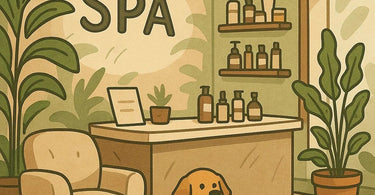
Build better results today by tackling one of the most 'ruff' questions in modern salon and spa management. Picture this: your client is halfway through a blissful sugar scrub treatment, and their beloved French Bulldog, Snuffles, is curled up peacefully on a plush Boca Terry towel in the corner. Is this the ultimate zen experience or a potential liability nightmare? As a nation of animal lovers—with over 65% of U.S. households owning a pet—the demand for pet-friendly services is growing. For spa and salon owners, the question of allowing Emotional Support Animals (ESAs) isn't just about being nice; it's a complex business decision wrapped in legal tape, allergy concerns, and the undeniable power of puppy-dog eyes. Let's untangle this hairy situation together, separating the facts from the fur, so you can make an informed choice for your beautiful business.
The Legal Leash: Understanding Service Animals vs. Emotional Support Animals
First things first: know your animals. Legally, there's a massive difference between a service animal and an emotional support animal, and confusing them can land your business in hot water.
Under the Americans with Disabilities Act (ADA), a service animal is a dog (or in rare cases, a miniature horse) that is individually trained to perform specific tasks for a person with a disability. This could be guiding someone who is blind, alerting a person with diabetes to blood sugar changes, or interrupting panic attacks for someone with PTSD. The law is crystal clear: you must allow a properly trained service animal into your business, even with a 'no pets' policy. You may only ask two questions: "Is the animal required because of a disability?" and "What work or task has the animal been trained to perform?". You cannot ask for documentation or proof of training.
An Emotional Support Animal (ESA), however, is a different creature entirely. An ESA provides comfort and companionship through its mere presence to someone with a diagnosed mental health condition. They are not required to have any special training. Here's the crucial part: The ADA does not cover ESAs. Their legal rights are primarily under the Fair Housing Act, which allows them to live in 'no-pet' housing. They do not have a legal right to enter public places like your spa or salon. Any "registration" or "certification" you see online is not legally recognized. Therefore, the decision to allow an ESA is entirely at your discretion as a business owner.
The "Pawsitive" Side: Potential Benefits of a Pet-Friendly Policy
If you decide to roll out the welcome mat for furry friends, there can be some lovely perks. For many clients, their pet is a source of immense comfort, and having them nearby during an appointment can significantly ease stress and create a more positive, homely experience. This taps directly into the core mission of any spa—promoting relaxation and wellbeing. Animals have been shown to reduce stress hormone levels and boost oxytocin, the "feel-good" bonding hormone. Imagine offering a massage where the client's calm cat is purring nearby on a cozy heated table topper; that's next-level serenity.
It's also a powerful marketing and community-building tool. Becoming a known pet-friendly salon can help you stand out and attract a loyal segment of pet-loving clients. The social media content writes itself—adorable photos of clients with their pets can boost your visibility and portray your brand as warm, welcoming, and modern. Staff often enjoy the morale boost of interacting with well-behaved pets, fostering a happier work environment. If your brand already leans into eco-conscious or holistic values, a pet-friendly policy can feel like a natural and authentic extension.
The "Hiss" and Misses: Cons and Complications to Consider
Now, let's talk about the other side of the grooming table. The most significant risk is alienating other clients and staff. Not everyone is an animal lover. Some people have severe allergies to pet dander or saliva. Others may have phobias (cynophobia, fear of dogs, is quite common) or simply don't want to encounter animals in a professional setting where they expect pristine calm. The scent of a lavender essential oil diffuser should dominate, not "wet dog."
There are real liability and hygiene concerns. Even the best-behaved animal can have an accident, bark, or get startled. Who is responsible for damage to your expensive spa furniture or luxury towels? What if there's a bite or a scratch? You must consult your insurance provider to ensure you have adequate coverage. Maintaining a hygienic environment is paramount, especially in spaces performing dermaplaning or waxing services. Fur and dander can compromise cleanliness and trigger allergies.
You also open the door to potential misuse. Studies suggest some ESA owners may misrepresent their pets as service animals to gain access. You'll need to train your staff to handle these delicate situations gracefully and according to the law.
Crafting Your Policy: A Step-by-Step Guide to Doing It Right
If, after weighing the pros and cons, you decide to welcome ESAs, a clear, written policy is your best friend. Here's how to build one:
1. Define Clear Rules & Require Documentation. Since ESAs aren't covered by the ADA, you can set your own reasonable requirements. You may choose to request a current letter from a licensed mental health professional stating the client's need for the ESA. Establish rules like: pets must be leashed or in a carrier at all times, must be well-behaved and non-disruptive, and owners are fully responsible for cleaning up after their animal and for any damage caused.
2. Designate Pet-Friendly Zones. You don't have to allow animals everywhere. It may be wise to prohibit them in certain areas for safety and hygiene, such as near facial treatment stations with open product jars, in hydrodermabrasion rooms, or in the kitchenette. A cozy corner in the reception or a specific treatment room can be the perfect spot.
3. Communicate & Train. Inform all clients of your new policy via email, social media, and signs in your salon. Crucially, train your entire team! They need to know the difference between a service animal (which must be allowed) and an ESA (which operates under your policy), the two questions they are legally allowed to ask, and how to handle any incidents with calm professionalism.
4. Start Small & Be Prepared to Adapt. Consider a soft launch. You could host a "Pet-Friendly Pampering Day" to gauge interest and see how it goes. Be ready to listen to feedback from all clients and be prepared to revise your policy if necessary. The comfort and safety of everyone in your space is the ultimate goal.
Your Partner in a Well-Groomed Business
Whether you decide to welcome four-legged clients or maintain a fur-free zone, Pure Spa Direct is here to support your business's success. Creating a comfortable, compliant, and inviting environment is what we do best. From professional-grade cleaners to maintain hygiene, to serenity-inducing products for all your human clients, we have everything you need. Explore our vast selection of supplies from trusted brands like Biotone and Soothing Touch to elevate every aspect of your service.
So, should you let clients bring their emotional support animals? There's no one-size-fits-all answer. It depends on your clientele, your space, your team, and your brand vision. By understanding the law, weighing the real-world impacts, and implementing a thoughtful policy, you can make the choice that's best for your unique sanctuary of wellness. Now, who's a good business owner? You are!
