
Clients rave about this pro essential... until they don’t. You know the drill: they leave your treatment room glowing, clutching their aftercare instructions with the best intentions. Then, 48 hours later, your phone blows up with a photo that looks less like “radiant renewal” and more like “angry tomato.” We’ve all been there, talking a client down from the ledge because they used their gritty apricot scrub “just to get the flaky bits off.” As professionals, we know that the magic of a chemical peel happens in the days following the service, which is why having a strategic post-peel aftercare retail section is non-negotiable. It’s not just about selling products; it’s about ensuring your hard work yields the best possible results and keeps your clients happy (and coming back for more). This guide breaks down exactly what your clients need post-peel, the common culprits of irritation, and how you can stock your retail space to be a skin-saving sanctuary.
Navigating the world of post-peel recovery can feel like walking through a minefield for clients. Their skin is in a state of heightened sensitivity, making it crucial to simplify their routine and eliminate any guesswork. This is where your expertise, combined with the right premium skincare products, becomes invaluable. Let’s dive into the essentials that should be flying off your shelves and into your clients’ bathroom cabinets.
The Gentle Cleanse: Washing Away the Day, Not the Results
The first rule of post-peel club is: no harsh cleansers. That means anything foaming, fragranced, or containing active exfoliants like salicylic or glycolic acid is strictly off-limits. What clients actually need is a milk or cream cleanser that comforts and hydrates while gently removing impurities. Think of it as a soft robe for their face, not a power-washer. Look for formulas packed with soothing ingredients like aloe, oat, or ceramides. Brands like Murad offer superb gentle cleansing options that align perfectly with post-procedure needs. When a client asks, “But how do I wash my face?” you can confidently point them to a hydrating cleanser and explain that less is more. This is the foundational step, and getting it right prevents a cascade of irritation right from the start. Your retail display should feature these gentle giants prominently, perhaps near your spa essentials, making it easy for clients to grab and go.
The Moisture Barrier MVP: Serums and Creams That Do the Heavy Lifting
After a peel, the skin’s natural barrier is temporarily compromised, which means it loses water faster than a toddler loses a sock. The primary goal of aftercare is to support barrier repair and flood the skin with hydration. This is where the heavy hitters come in. Clients need products that are high in humectants (like hyaluronic acid, which can hold 1000 times its weight in water) and occlusives (like squalane or shea butter) to lock that moisture in. A soothing serum can be a game-changer, calming inflammation and delivering concentrated ingredients deep into the skin. Following up with a rich, protective moisturizer is essential. For an extra layer of soothing luxury, consider retailing a calming mask they can use at home, like those from Tuel Skincare, to provide an instant dose of comfort when their skin feels tight or warm. Remind your clients that this is the time to slather on the good stuff—their skin is at its most receptive.
The Physical Shield: Why Sunscreen Is the Ultimate Non-Negotiable
If there’s one message to hammer home until you’re blue in the face (or until your clients are, quite literally, not), it’s sunscreen, sunscreen, sunscreen. Post-peel skin is extremely vulnerable to UV damage because the fresh, new skin cells have less melanin and a compromised barrier. A client who skips SPF isn’t just risking a sunburn; they’re risking hyperpigmentation, prolonged redness, and undoing the very benefits of the peel. They need a physical (mineral) blocker containing zinc oxide or titanium dioxide, as these sit on top of the skin and reflect UV rays, rather than chemical sunscreens which can cause stinging and irritation. This is a prime retail opportunity. Stock a range of elegant, non-greasy mineral sunscreens that clients will actually want to wear every day. You can even bundle them with other aftercare items for a complete Serenity Essentials kit. Make it clear: no SPF, no results.
The Enemies Within: Identifying What Causes Irritation
Now for the fun part: playing detective and identifying the saboteurs. Often, irritation isn’t caused by what clients aren’t doing, but by what they are doing. The biggest culprit is the “enthusiastic exfoliator.” You know the type—they see a little flake and suddenly they’re channeling their inner archaeologist, trying to dig up relics. They must avoid physical scrubs, loofahs, or any spa tools like facial brushes for at least a week. Another major irritant is active ingredients. Retinoids, high-concentration vitamin C (especially L-ascorbic acid), and other exfoliating acids need to be paused until the skin has fully healed. Even some essential oils in “natural” products can cause a reaction on sensitized skin. Educate your clients to look for “barrier-supporting” and “hypoallergenic” labels. It’s also wise to caution against using hair styling tools like curling wands or straighteners near the face, as the radiated heat can exacerbate dryness and irritation.
The Itch to Pick: Why Hands Off Is the Hardest Rule
Ah, the peeling phase. It’s the moment clients both expect and dread. As their skin begins to slough off, the temptation to pick, peel, or pull at the loose skin is almost irresistible. It’s strangely satisfying, like popping bubble wrap, but the consequences are disastrous. Picking can lead to scarring, infection, and hyperpigmentation. Your job is to arm them with distraction techniques and, more importantly, the right products to minimize the visibility of the peel. A heavy-duty, nourishing balm or oil can help soften the flakes, making them less noticeable and less tempting to touch. Recommend they slather it on thick, especially at night. You can point them towards luxurious options from brands like Amber Products for that extra touch of indulgence. Remind them that the peel is a sign the treatment is working—it’s the old skin making way for the new, radiant version underneath.
Retail as an Extension of Your Service
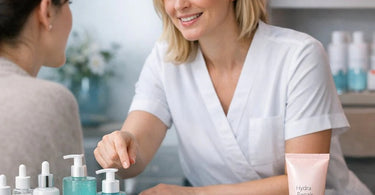
Ultimately, your professional-grade retail products are an extension of the service you provide. When you send a client home with a curated kit of post-peel essentials, you’re not just making a sale; you’re ensuring the success of your treatment and building a deeper level of trust. They see that you care about their results beyond the time they spend in your chair. Set up a dedicated display near your checkout or consultation area, perhaps using stylish bottles and jars for testers, to make these must-have items visible and accessible. Train your staff to discuss aftercare as an integral part of the peel process, not an afterthought. When a client understands the “why” behind each product, they are far more likely to invest in their recovery.
Building the Perfect Post-Peel Protocol
Let’s map out the ideal daily routine you can recommend (and retail) to your clients. In the morning, it’s a gentle cleanse, a hyaluronic acid serum, a rich moisturizer, and a generous layer of mineral SPF. In the evening, they’ll double-cleanse (with their gentle milk cleanser), reapply their serum, and seal it all in with a thicker night cream or a soothing overnight mask. Throughout the day, if their skin feels tight or warm, they can mist with a simple, soothing facial spray. This simplicity is key. Overcomplicating things leads to mistakes. By offering a streamlined system, you make it easy for them to comply. You can even create custom kits that bundle a cleanser, serum, moisturizer, and SPF together, perhaps with a branded high-quality towel for gentle drying. This not only increases your retail value but also ensures they are using compatible products.
Listen to Your Skin (and Your Clients)
The final, and perhaps most important, piece of advice to impart is the art of listening to one’s skin. Post-peel recovery isn’t linear. Some days the skin might feel dry, other days a little oily, and some days it might just feel a bit angry. Encourage clients to adjust their routine based on how they feel. If their skin is extra sensitive, they might skip the serum and just use moisturizer for a day. If they’re feeling particularly dry, they might layer on a balm. This intuitive approach, guided by your expert advice, empowers them to take ownership of their skin’s health. And when they inevitably have questions, they know you’re just a phone call away. By providing them with the right tools and knowledge, you transform the post-peel period from a source of anxiety into a soothing, self-care ritual. And that, dear esthetician, is the ultimate win-win.
%20-%20A%20Guide%20to%20Saving%20Skin%20(and%20Your%20Sanity))