
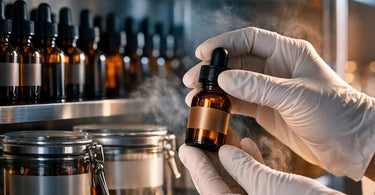
Simplify operations with this smart choice: mastering the art of storing and handling high-octane acid peels. Let's be real, these potent little bottles are the skincare equivalent of a Ferrari—incredibly powerful, delivers amazing results, but if you leave it out in the sun or let just anyone drive it, you're asking for a world of expensive, fiery trouble. For the professional aesthetician or spa owner, these concentrated solutions are a game-changer for treating everything from stubborn hyperpigmentation to acne scars, but with great peeling power comes great responsibility. This isn't just about keeping your premium skincare products in a drawer; it's a critical protocol that protects your clients, your team, your investment, and your business's reputation. Think of this guide as your friendly, slightly humorous cheat sheet to avoiding "acid-gate” in your treatment room.
Why the fuss? A poorly stored glycolic, salicylic, TCA, or lactic acid peel can degrade faster than your resolve on a cupcake diet. It loses efficacy, meaning your client doesn't get the radiant results they paid for. Worse, it can become unstable, leading to unpredictable reactions, increased risk of burns, or contamination that could cause infections. We're in the business of beauty, not biology experiments gone wrong. So, let's dive into the nitty-gritty of keeping your chemical peels as happy and stable as a client after a fantastic massage.
The Golden Rules: Location, Location, Location (and Temperature!)
First thing's first: where do you park these potent potions? The ideal storage spot for concentrated acid peels is a dedicated, locked cabinet—away from treatment areas, facial steamers, towel steamers, and windows. Sunlight and heat are your peel's arch-nemeses. UV rays and consistent warmth break down the active ingredients faster than you can say "photoaging." A cool, dark place is key. Many professionals use a small, dedicated refrigerator, but check the manufacturer's guidelines first. Some acids crystallize if too cold! Generally, a consistent, cool room temperature (around 59-77°F or 15-25°C) is the sweet spot. This same rule applies to other advanced facial treatment products and even your professional gel polishes—consistency is king.
Containment is Key: The Right Vessel Matters
Acid peels come in specific bottles for a reason—usually dark glass (amber or cobalt blue) to block light. Never, and we mean NEVER, transfer a concentrated acid into a different container, especially not a clear or unlabeled one. That's how "oops” stories start. ("I thought it was water!”). Ensure the original cap is always screwed on tightly to prevent evaporation and oxidation. If your peel uses a dropper, make sure the dropper is clean and never touches the client's skin or any other surface to prevent back-contamination. For your broader spa tools and implements, this principle of cleanliness is universal, from applicators & spatulas to microdermabrasion tips.
The Handling Hall of Fame: Dos and Don'ts for Application
When it's go-time, your handling protocol is your best defense. Always wear appropriate protective gloves & masks. Nitrile gloves are typically recommended as they provide a good barrier. Have neutralizing agents ready and within arm's reach before you even unscrew the cap—typically a bicarbonate solution or specific neutralizing gel. This isn't optional; it's your fire extinguisher. Use precise tools like professional cotton swabs or specific acid-resistant brushes for application—never pour directly onto the skin. And please, label everything clearly. A small, dedicated tray for your peel procedure can keep everything organized and prevent tragic mix-ups with your cuticle oil or sugar scrubs.
The Diligent Dilution Station
Many peels require dilution before use. If you're mixing, use only the diluent specified by the manufacturer (sterile water, specific buffers) in a clean, dedicated mixing bowl. Never mix different acid types together unless explicitly directed by a protocol. And always add acid to water, not water to acid, to minimize heat and splash risk. Once diluted, most solutions have a very short shelf life—often 24 hours or less. Mark the dilution time and date on the bottle or jar and discard it after the recommended period. Wasteful? Maybe. Safer than risking a bacterial party on your client's face? Absolutely.
Inventory & Long-Term Storage: Be a Peel Detective
Keep a log! Track when you opened each bottle. Most concentrated acids have a shelf life of 1-2 years unopened, but once the seal is broken, the clock ticks faster (often 6-12 months). Write the open date on the label with a permanent marker. Practice the "first in, first out” rule. Store older products in front so they get used first. Do regular visual checks. If the color has changed, it has developed an odd smell, or there are particles floating in it, it's time for a dignified retirement down the drain (with plenty of water, following local disposal regulations). This disciplined approach is what separates a professional setup from an amateur one, much like having top-tier equipment & furniture.
Safety First, Second, and Third: Creating a Culture of Care
Your entire team must be trained on these protocols. Post clear, simple safety charts in your prep area. Ensure your professional cleaners & disinfectants are stored separately from your treatment products. Have an easily accessible eye wash station and know the procedures for accidental exposure. Investing in proper storage, like a locked, temperature-controlled cabinet, is just as important as investing in a comfortable portable massage table or a stylish pedicure chair. It's foundational to professional practice.
Partnering with Trusted Brands
Finally, your safety and success start with the quality of the product you buy. Sourcing your professional peels from reputable brands and distributors is non-negotiable. At Pure Spa Direct, we partner with leading skincare lines to ensure you get products with clear labeling, stable formulations, and proper packaging. Whether you're stocking up on Tuel Skincare, Murad, or other professional-grade acids, you can trust their integrity when our recommended storage and handling guidelines are followed. It's about providing you with the tools—from the best waxing supplies to the most effective peels—to build a safe, successful, and sensational service menu.
So there you have it! Treat your acid peels with the respect of a VIP client, and they'll reward you with flawless, predictable, and stunning results every time. Now go forth and peel responsibly—your clients' glowing skin will thank you for it!
