
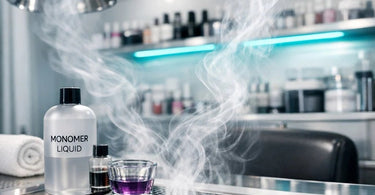
Enhance your work with ease... and a lungful of fresh air! Let’s be honest, the intoxicating aroma of a new polish is one thing, but the sharp, chemical punch of monomer liquid? That’s a whole different story. It’s the not-so-glamorous side of creating beautiful nail enhancements that can turn your serene salon into a place where clients wrinkle their noses and your team gets headaches. But here’s the kicker: it’s not just about the smell. Working daily with products like monomer, acrylic powders, polishes, and Nail Polish Remover exposes everyone in the room to chemical vapors and dust that, without proper control, can lead to real health concerns. The good news? You have the power to transform your space. This isn’t about masking odors with a plug-in; it’s about mastering the science of salon air. By investing in the right ventilation strategy, you’re not just clearing the air—you’re investing in the long-term health of your team, the comfort of your clients, and the professional reputation of your business. Let’s dive into how you can build a safer, fresher, and more successful nail station environment.
Think of ventilation as your invisible, most hardworking employee. Its sole job is to protect the breathing zone—that critical area right around your and your client’s nose and mouth. When you file an acrylic nail or open a bottle of monomer, you release a mix of ultra-fine dust particles and chemical vapors, including what’s often called the “toxic trio” of toluene, formaldehyde, and dibutyl phthalate. A general room fan or your building’s HVAC system simply dilutes these contaminants, swirling them around the room. What you need is a system that captures them right at the source, like a vacuum for bad air, before they ever reach anyone’s lungs. This is called source capture or local exhaust ventilation (LEV), and it’s the gold standard for nail stations.
Why “Good Enough” Ventilation Isn’t Good Enough
Before we explore the solutions, let’s get clear on what we’re fighting. It’s easy to think ventilation is just for odor control, but that’s a dangerous myth. Some harmful vapors have little to no smell, and a “fresh”-smelling salon doesn’t automatically mean a safe one. The real goal is to control exposure to the chemical hazards and nail dust prevalent in our industry.
Short-term exposure in a poorly ventilated space can cause immediate irritation—headaches, dizziness, and that burning sensation in your eyes, nose, and throat. It’s your body’s alarm system. Long-term, daily exposure is linked to more serious risks, including respiratory illnesses like asthma, skin disorders, and other chronic health problems. For your clients, who are only exposed briefly, a stuffy, smelly station is simply unpleasant and can detract from their relaxing experience. For you and your team, who breathe this air for 40+ hours a week, it’s a critical workplace safety issue. Furthermore, many local building codes and health regulations now specifically mandate proper source capture ventilation for nail salons, making it a compliance necessity, not just a nice-to-have.
Your Ventilation Toolbox: From Simple Fixes to Professional Systems
Building a safe breathing environment is a multi-layered approach. Start with the basics and build up to the professional-grade solutions that offer the best protection.
The Foundation: Work Practices & Low-Tech Solutions
Even before you install a fancy system, you can make a huge impact with smart habits. Always keep your Acrylic Nail Supplies like monomer in sealed containers when not in use. Use dappen dishes with small openings (one inch or less) and cover them between dips to minimize evaporation. Invest in a high-quality metal trash can with a self-closing lid at every station and immediately discard used monomer-soaked cotton balls and towels—believe it or not, the trash can is often the biggest odor culprit in a salon! Swap out carpet for hard-surface flooring, as carpet traps dust and chemical residues that can later be released back into the air. And never underestimate the power of an open window and a strategically placed fan to pull fresh air through the space.
The Professional Standard: Source Capture Ventilation Systems
This is where you make the leap from managing odors to actively protecting health. A true source capture system is like having a miniature exhaust fan built into your workstation. It uses a hood or intake placed very close to where the fumes and dust are generated (think right next to the client’s hands) to suck contaminants directly out of the breathing zone.
The key components of an effective system are:
- HEPA Filtration: A High-Efficiency Particulate Air filter is essential for trapping the microscopic nail dust particles that are too small to see but easy to inhale.
- Activated Charcoal (Carbon) Beds: While HEPA filters catch dust, they cannot capture vapor molecules. This is the job of activated charcoal. It’s a super-porous material that chemically absorbs fumes and VOCs. Experts recommend a bed at least four inches thick for effective vapor removal.
- Exhaust to Outside: The ideal setup pulls contaminated air through the filters and then exhausts it directly outdoors. This permanently removes the hazards from your environment. Some portable systems recirculate filtered air back into the room, which is better than nothing but not as effective as full outdoor venting.
These systems come in various configurations to fit your salon’s layout. You can find units that are built into Nail Tables and Manicure Stations, sleek ceiling-mounted units that serve multiple stations, or portable floor models with flexible arms for precise placement.
Choosing & Maintaining Your System: A Pro’s Checklist
Walking into the world of ventilation specs can feel overwhelming. Use this checklist to find the right fit for your business:
- Assess Your Space: How many stations do you have? What is your square footage and ceiling height? Do you have easy access to an exterior wall, window, or roof for ducting?
- Prioritize Source Capture: Look for systems specifically designed for “local exhaust ventilation” or “source capture.” Ensure they are capable of moving at least 50 cubic feet per minute (CFM) of air per station, a common code requirement.
- Check the Filters: Don’t just buy a fan in a box. Verify the system includes both a true HEPA filter and a substantial activated charcoal filter bed. Be wary of units that only use “ozone” or ionizers, as these can create other air quality problems.
- Plan for Maintenance: A filter is only good until it’s full. An over-saturated charcoal filter stops working and can even become a fire hazard. Mark your calendar to replace charcoal filters every 3 to 4 months with regular use, and change HEPA prefilters as recommended. It’s a small operational cost for a huge health benefit.
Beyond the Machine: Completing Your Safety Protocol
A ventilation system is your first line of defense, but your safety protocol shouldn’t stop there. Equip yourself and your team with the right personal protective equipment (PPE). Standard surgical or cloth masks do not protect against chemical vapors or fine dust. For dust protection during filing, use a NIOSH-approved N95 respirator. For handling liquids, wear appropriate Protective Gloves (nitrile is often recommended) and safety glasses to prevent splashes.
Also, become a label-reading pro. Familiarize yourself with the Safety Data Sheets (SDS) for all the products in your salon. Look for brands that offer “3-Free” or “5-Free” polishes (free of the toxic trio and other harsh chemicals) and consider lower-odor monomer options. Brands like CND and OPI are leaders in product innovation and safety. And remember, taking short breaks to step outside for fresh air is not slacking off—it’s a necessary reset for your senses and your health.
The Pure Spa Direct Promise: Breathe Easy, Create Beautifully
Building a safe and successful salon is about having the right tools and the right knowledge. At Pure Spa Direct, we’re your partner in creating that healthy foundation. We are proud distributors of top-tier equipment and furniture designed with your well-being in mind.
While we source the best from brands dedicated to salon safety, creating a compliant ventilation system is a specialized task. We strongly recommend consulting with a licensed HVAC professional who understands local mechanical codes (like the International Mechanical Code) to design and install a system that is perfectly balanced and effective for your specific space. They can ensure your exhaust is matched with adequate fresh air intake, creating a healthy, continuous air exchange.
In the meantime, let us help you build the rest of your dream salon. From the perfectly comfortable Pedicure Chairs/Spas to the most efficient Professional Cleaners & Disinfectants, we have everything you need. Explore our curated Luxury Spa Furniture and essential Spa Tools & Implements for Professionals to complete your setup.
Your talent creates the art. Let’s work together to ensure the environment you work in supports you, your team, and your clients for years to come. Here’s to breathing easy and creating fearlessly!
