
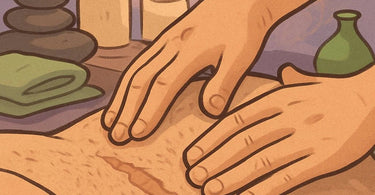
Elevate services with this smart buy... a deeper understanding of scar tissue that transforms how you offer bodywork and skin treatments. For spa and massage professionals, a scar is more than a mark on the skin—it's a window into a client's history and a complex, living structure that responds beautifully to therapeutic touch. Unlike the mythical regenerative abilities of salamanders, we humans heal primarily through scarring. This process, while lifesaving, creates a 'new normal' in the tissue architecture, and it's this remodeled landscape that your skilled hands can influence. The journey from a fresh wound to a mature scar involves a fascinating, multi-phase biological script, and your interventions can be a powerful part of the final edit. Let's dive into the captivating science behind it and how you can become an expert in guiding its story toward a better, more functional ending.
Think of the body's healing response as a highly regulated, three-act play. Act One, the Inflammatory Phase, begins the moment the skin is breached. The goal here is immediate: stop the bleeding (hemostasis) and call in the cellular cleanup crew. This phase, peaking around days 4-5, involves swelling, redness, and warmth—all signs the immune system is actively at work. It sets the stage for what comes next but is not the time for deep tissue work.
Act Two is the Proliferative Phase, starting around day three. This is where the 'rough draft' of the scar is written. Specialized cells called fibroblasts rush to the site and begin spinning a haphazard, web-like matrix of collagen fibers to patch the wound. This initial collagen (mostly type III) is weak and disorganized, but it gets the job of closing the wound done. Meanwhile, the body is working hard to form new blood vessels in a process called angiogenesis, bringing vital nutrients to support this new growth.
The grand finale, and where you truly shine, is Act Three: the Remodeling Phase. Beginning as early as day eight and lasting up to three years, this is the extended period of 'editing and rewriting'. The body systematically breaks down the initial, flimsy collagen and replaces it with stronger, more organized collagen type I fibers. The quality of this final product—whether it becomes a functional, integrated scar or a problematic adhesion—depends heavily on the physical forces acting on it during this time. This is the golden window for therapeutic massage.
When Healing Goes Rogue: The Problem of Adhesion
Now, here's where the plot thickens, and not in a good way. Sometimes, the scar tissue doesn't just stay where it's supposed to. It can form irregular, fibrous bands that tether structures together that are normally separate—this is called a tissue adhesion. Imagine the scar tissue from an abdominal surgery reaching out and gluing a loop of intestine to the abdominal wall, or the scar from a deep cut on the thigh binding the skin tightly to the underlying muscle fascia, restricting movement.
Adhesions are essentially a complication of the normal healing process, where the balance between fibrin deposition (the sticky scaffolding) and fibrinolysis (the body's cleanup of that scaffolding) is thrown off. Instead of the provisional matrix being cleared away as new tissue forms, it persists. Fibroblasts, capillaries, and even nerves grow into this stubborn matrix, creating those restrictive bands. For your clients, this can translate into chronic pain, a persistent pulling sensation, restricted range of motion, and that frustrating feeling of 'tightness' that never seems to go away.
The Magic of Massage: Remodeling from the Outside In
This is your moment. Massage therapy is a powerful, non-invasive tool to guide the remodeling process and prevent or soften adhesions. You can't make scar tissue disappear—and you wouldn't want to, as it's providing necessary strength. But you can profoundly influence how it integrates. Mechanical input from skilled touch applies traction, compression, and shear forces to the forming scar. This physical input acts as a guide, signaling to the fibroblasts how to align the new collagen fibers along more functional lines of tension, rather than in a chaotic, sticky web.
Scar massage works on several levels. First, it applies beneficial stress to the intermolecular bonds within the collagen matrix, helping to realign fibers. Second, it can improve pliability and elasticity by breaking down cross-links that form between collagen strands. Third, and crucially, it helps maintain or restore gliding between different tissue layers (skin, fascia, muscle), preventing them from becoming stuck together. The research, while still growing, supports this: a 2022 review found evidence that massage can improve scar characteristics, reduce pain, and increase range of movement.
Your Hands-On Protocol: Working with Scars Safely and Effectively
Ready to add this valuable service? Here's how to approach scar work with professionalism and confidence.
Timing is Everything: Always respect the healing timeline. Do not work directly on a wound that is not fully closed, has stitches, or shows signs of infection (redness, heat, pus). For post-surgical clients, always get clearance from their surgeon or doctor, which typically comes around the 6-week mark for minor surgeries, but can be longer for more invasive procedures. The remodeling phase is your primary window of opportunity.
Palpation is Your Superpower: Before you do anything, explore. Use sensitive, curious touch to map the scar. How does it differ from the surrounding tissue? Look for:
- Density & Stiffness: Does it feel harder, denser, or thicker?
- Elasticity: Does it stretch easily, or does it feel 'stuck'?
- Texture & Organization: Does it feel smooth and aligned, or bumpy and random?
- Tissue Glide: Can you move the skin over the layers beneath it, or is everything bound together?
The Techniques: Start gently. Use a high-quality, unscented massage oil or lotion to reduce friction.
- Superficial Gliding: Begin with light, broad strokes around and over the scar, moving in the direction of the tissue fibers if possible. This warms the area and begins to encourage circulation.
- Cross-Fiber Friction: Once the tissue is warm, apply gentle, focused pressure across the grain of the scar (perpendicular to its long axis). Use your thumb or fingertip. The goal is not to cause pain, but to create a mild, therapeutic inflammation that stimulates remodeling and breaks up tiny adhesions.
- Skin Rolling & Lifting: Gently pinch and lift the scar tissue away from the deeper layers, rolling it between your fingers. This is excellent for addressing superficial adhesions binding the skin.
- Myofascial Release: Apply slow, sustained pressure into the restriction barrier, waiting for a subtle release or softening sensation. This can help release deeper fascial adhesions.
Client Communication: Explain what you're doing and why. Sensation should be a 'good hurt'—a feeling of release or stretching, not sharp or burning pain. Encourage clients to hydrate well after treatment to help flush metabolic byproducts.
Building Your Scar-Savvy Treatment Suite
Offering specialized scar management is a premium service that builds client loyalty. Pair your manual techniques with supportive products and tools to create comprehensive treatment packages or retail recommendations.
- Enhance Slip & Glide: A quality massage cream or silicone-based gel provides the perfect slip for your techniques while keeping the scar hydrated.
- Retail for Home Care: Recommend silicone gel sheets or topical gels. Silicone creates a hydrating microclimate over the scar, which can help soften, flatten, and fade discoloration. It's a fantastic adjunct to the manual work you do in-session.
- Tool Time: Consider adding tools like a Gua Sha tool or a fascial scraper to your practice. When used with proper training, they can provide precise, effective myofascial release across scar tissue.
- The Perfect Environment: Ensure client comfort and professional efficacy with the right setup. A stable massage table, supportive bolsters, and cozy spa bedding make all the difference. For an extra touch of luxury that clients adore, offer warmed towels from a steamer at the end of the session.
Beyond the Surface: A Rewarding Specialization
Mastering scar tissue work does more than just add a line item to your menu. It positions you as a true therapeutic expert in your spa or clinic. You become the professional clients seek out after surgery, accidents, or even for old scars they thought they just had to live with. It's deeply rewarding work that blends science, skill, and compassion.
So, the next time you see a scar, see potential. See a fascinating biological process that your hands can gently guide. See an opportunity to relieve pain, restore movement, and help a client feel more at home in their own skin. That's not just a service; that's transformative care.
