
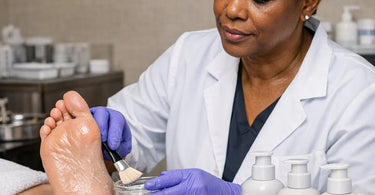
Enhance treatments with ease... as long as 'ease' involves a little bit of science and a lot of peeling skin. Let's be honest, folks. As beauty professionals, we have seen things. We have seen feet that look like they've been on a solo mission across the Sahara desert without water. We have seen heels so cracked you could hide spare change in them. But fear not! Because in the magical world of Pedicure Supplies, we have the big guns: Professional Foot Peels. However, walking into the world of Alpha Hydroxy Acids (AHAs) can feel less like a relaxing spa day and more like a high-stakes chemistry exam. What concentration is too weak to work? What concentration will send your client home looking like a molting snake? Today, we are cracking the code (pun absolutely intended) on AHA concentrations so you can confidently banish those crusty calluses without causing a biohazard situation in your waiting room.
The first thing you need to understand is that not all AHAs are created equal—and neither are the feet attached to them. You have your delicate, sensitive souls who get a paper cut and bruise for a week, and then you have your construction worker clients whose feet are basically made of leather. The concentration of Prosana or Alpha Hydroxy Acids determines how deep the exfoliation goes. Think of it like spicy food: 5% is mild salsa, 20% is a jalapeño, and 50% is that ghost pepper sauce you regret the next morning. We are aiming for a glow, not a lawsuit (or a trip to the ER), so let's get into the nitty-gritty of which acid to use, when, and why your clients will love you for it.
What The Heck Is An AHA (And Why Are We Putting It On Feet)?
Before we dive into percentages, we need a quick refresher on the science-y stuff so you sound super smart when your client asks, "Is this going to burn my toes off?" AHAs, or Alpha Hydroxy Acids, are water-soluble acids derived from natural sources like fruit and milk . Their primary job is to break down the "glue" (desmosomes) holding dead skin cells together . This is fantastic news for us because foot calluses are essentially the skin's way of building a fortress out of dead cells. When we apply an AHA, we are essentially telling the skin to stop hoarding the dead stuff and let it go. Pedicure Chairs/Spas are great for relaxing them, but the AHA is the workhorse.
In the world of professional foot peels, you will mostly run into the dynamic duo: Glycolic Acid and Lactic Acid. Glycolic Acid is the tiny, hyperactive over-achiever. It has the smallest molecular size, which means it penetrates super fast and super deep . It's fantastic for thick, gnarly calluses that laugh at regular pumice stones. However, because it's so aggressive, it can also cause irritation if you aren't careful. Lactic Acid, on the other hand, is the gentle giant. It has a larger molecule, so it doesn't dive quite as deep, but it acts as a humectant (it pulls moisture in) . This makes it amazing for clients with dry, scaly skin that is also sensitive. It exfoliates while hydrating. It's basically the spa therapist of acids—calm, effective, and leaves you feeling moisturized.
The Low-Down On Low Concentrations (5% - 15%)
Let's talk about the gentle stuff first. Low concentration peels (usually between 5% and 15%) are your "Maintenance Mode" heroes. These are not typically the "peel off in sheets" dramatic treatments you see on social media. Instead, these act as intense exfoliating washes or leave-on treatments that smooth texture over time. You might find these concentrations in retail products you sell for at-home care or in quick in-salon scrubs. Some products utilize a 15% AHA/PHA blend for a high-strength yet non-peeling effect .
If a client has thin skin, is elderly, or has never had a chemical exfoliant before, starting low is the only way to fly. Using a Towel Steamer to apply warm towels before a low-concentration peel can actually boost its efficacy slightly without causing trauma. The goal here is cellular turnover, not a visible peel. This concentration dissolves the micro-layer of dead skin, making the feet feel baby-soft immediately but without the downtime. It's perfect for the client who says, "I want smooth feet for my beach vacation TOMORROW." We aren't trying to scare the lifeguard; we're just making the heels pretty.
The Sweet Spot: Medium Concentrations (15% - 30%)
Now we are talking business. This is the Goldilocks zone for most professional Spa Body Treatments specifically targeting the feet. When you hear about a "foot peel" that causes the skin to flake off like a sunburn a week later, you are likely in the 15% to 30% concentration range . This is strong enough to break the bonds of the stratum corneum (the top layer of skin) significantly, but not so strong that you risk chemical burns on the healthy tissue.
Products like the Skin Republic Pedi Peel Max hit that sweet spot with a 15% stronger AHA complex to remove hard skin and cracked heels within 7 days . This concentration is the bread and butter of the Advanced Facial Treatment Products for Salons & Spas (because what works for the face works for the feet, right?) and the body. At this level, you will see visible peeling usually starting around day 3 or 4. It is imperative—IMPERATIVE—that you warn the client about this. You do not want them calling you at 10 PM screaming that their feet are "disintegrating." You want them to know to wear socks, not wear open-toed sandals to their niece's wedding, and for the love of all that is holy, NOT to peel the skin off like a banana. Let it shed naturally or you risk raw skin. Protective Gloves & Masks are a must during application for you, the brave professional, because you don't want this acid eating your own fingerprints.
Going Deep: High Concentrations (30% - 50%+)
Alright, Scarface. Let's talk high octane. High-concentration peels (30% to 50% and up) are serious medical-grade territory usually reserved for licensed professionals with extensive training . At these percentages, we are no longer "exfoliating" in the traditional sense; we are performing a chemical resurfacing procedure. These concentrations penetrate past the dead skin layers into the living epidermis. You would use this on the client who has the foot of a troll—thick, yellowed, callused, and possibly with plantar warts or deep fissures (though be careful with open wounds!).
Research indicates that concentrations vary significantly based on the area of the body; while 20-35% is common for the face, feet can often handle higher because the skin is thicker . However, with great power comes great responsibility. High concentrations require neutralization. You cannot just let this sit there forever. You need a timer, a fan, and a neutralizer ready. If you leave 50% glycolic acid on for too long, you aren't just peeling the skin; you are giving a chemical burn. Remember the rule: higher concentration + longer time = deeper penetration . For those truly tough cases, using High-Quality Towels for removal is essential to ensure no residue remains. Honestly, these treatments are so intense that sometimes you are better off combining physical exfoliation with lower acids over multiple sessions. But when you need a reset button on a foot? High concentration is the nuclear option.
Which Acid Is Right For Which Sole?
Choosing between the types of acid is just as important as the percentage. Let's break it down by client profile because we know you have a waiting room full of characters.
The Diabetic or Circulatory Issue Client: STOP. Do not pass go. Do not use high-concentration peels . Generally, we advise against aggressive chemical peels for diabetic clients due to poor healing and risk of infection. However, if you are working under a doctor's supervision and sticking to gentle options, Lactic Acid (low concentration) is your friend. It is hydrating and gentle. Glycolic Acid is usually a no-go here because it penetrates too deep too fast. When in doubt, stick to physical exfoliation with Salt Scrubs or Sugar Scrubs instead.
The "I Wear Stilettos 24/7" Client: This client has tight, cramped toes and hard skin on the balls of the feet. She needs relief but is likely sensitive because her feet are already traumatized by physics. A Lactic Acid peel in the 15-20% range is perfect. It will soften the hard spots and add moisture back into the dry areas. Pair this with a relaxing massage using Massage Oils, Lotions, and Creams for Therapists to really loosen up the tendons.
The "I Hike Barefoot For Sport" Client (aka The Yeti): This client has hooves. They are proud of their calluses until their partner complains about the scratching noise on the hardwood floor. This client needs Glycolic Acid in the 20-30% range or higher. You need that small molecule to get down into the dense layers of keratin and break it apart. This is also the client where a Paraffin treatment *after* the peel helps soothe the fresh skin. You knock down the mountain with Glycolic, and then you smooth the valley with wax.
The Art Of The Professional Peel (And How To Not Mess It Up)
Alright, you've picked your potion. Now, how do you apply it without your client running out of the room screaming? First, preparation is key. You need to thoroughly cleanse the foot to remove any oils or lotions. If there is a barrier, the AHA can't penetrate evenly, and you will get patchy results that look like a leopard with a skin condition. Using a Professional Cleaners & Disinfectants on your implements first is a given, but a simple alcohol wipe on the skin pre-peel is a game-changer.
Next, the application. Apply the peel evenly. Do not slather it on like peanut butter on toast. A thin, even coat is best. If you are using a bootie system (like many foot peels), the liquid is inside the bootie. Make sure the bootie is sealed well, and maybe put a cozy sock over it to keep the heat in. Heat activates AHAs . This is also why we love using heated Towel Steamers before a peel to open the pores. During the peel, if the client complains about tingling, that's fine. If they complain about burning, abort mission. Rinse immediately with cool water and neutralize (baking soda and water works in a pinch). Your Reception Furniture might look nice, but don't let the client sit there suffering in silence; check on them every five minutes.
The Aftermath: Post-Peel Care (Because You Can't Send Them Home Naked)
If you send a client home with a high-concentration AHA peel and no instructions, you might as well hand them a lawsuit along with their receipt. Post-peel care is non-negotiable. The skin is sensitive. It is raw. The new skin underneath is like a newborn baby—delicate, pale, and easily sunburned. We usually caution against using tretinoin or high-concentration creams until the exfoliation phase is completely finished .
Send them home with a moisturizer. In fact, sell them one! A thick, emollient cream or a Massage Lotion specifically for feet will help the peeling process happen gracefully. Tell them to stay out of the sun (or wear SPF, though who puts SPF on their feet?) and absolutely no picking. I repeat, NO PICKING. If they pick at the peeling skin, they risk ripping off living tissue, leading to bleeding and scarring. They need to let the skin fall off naturally in the shower or with socks. You might even suggest they book a follow-up for a gentle buffing session (using a disposable file, of course, to prevent contamination). And if they forget all your advice? Just remind them that you told them so—politely, of course, while handing them a soothing Professional Cotton Products to dab away any weirdness.
Retail Therapy: Selling The Dream (And The Peel)
One of the easiest ways to boost your bottom line is retailing the maintenance products. You cannot offer a $100 professional peel and then tell the client to go buy soap at the grocery store. You have them on the hook! Their feet just went through a chemical transformation; they are invested. Offering them a gentle Spa Essentials for Professionals moisturizer to take home is just good business.
Look for retail products with low concentrations of AHAs or PHAs (Polyhydroxy Acids, which are even gentler) . A 5-10% Lactic Acid lotion is perfect for daily use to maintain the results you worked so hard to achieve. Also, pushing physical exfoliation tools like Nail Files & Buffers specifically for feet (tell them to keep the foot file out of the shower to avoid bacteria!) keeps the momentum going. Retail isn't just about making a sale; it's about protecting your work. If they ruin their feet two weeks later by neglecting them, they will blame your peel. Keep them stocked with the goodies to keep the shine going. And honestly, if they buy the Bulk Wax Deals from us for their salon, selling a little foot cream is child's play.
Conclusion: You've Got This (And So Do Their Feet)
Selecting the right concentration of AHA for professional foot peels doesn't require a PhD in chemistry. It requires common sense, a little bit of nerve, and a whole lot of moisturizer. Low concentrations (5-15%) maintain and gently smooth. Medium concentrations (15-30%) create the dramatic, satisfying peels that clients love to hate. High concentrations (30%+) are for the pros only, reserved for the toughest cases where you need to resurface the entire landscape.
Remember, you are the artist, and their feet are the canvas. Sometimes the canvas needs a delicate watercolor (Lactic Acid). Sometimes it needs a heavy-duty sandblaster (Glycolic Acid). By matching the acid type and percentage to the client's skin condition and tolerance, you will deliver results that keep them coming back (and buying your retail products). Now go forth, peel responsibly, and for the love of all that is holy, please throw away the booties after one use. Your Quality Wax Strips & Rolls are single-use, and so are those liners. Happy peeling!
%20Guide%20To%20Smoother%20Soles)