
Better work starts with better tools, and when it comes to creating a prenatal massage service, those tools need to be specially selected for safety, comfort, and sheer blissful relaxation. The prenatal clientele is growing faster than a baby bump in the third trimester, and savvy spa owners are realizing this isn't just a niche service—it's a cornerstone of modern wellness offerings. But here's the kicker: you can't just slap a "Prenatal Massage" sign on your door and call it a day. Creating a truly safe and exceptional experience requires thoughtful room setup and meticulously chosen spa essentials that address the unique needs of pregnancy. Let's dive into how to transform any treatment space into a sanctuary where expecting moms can sigh with relief (and book their next three appointments).
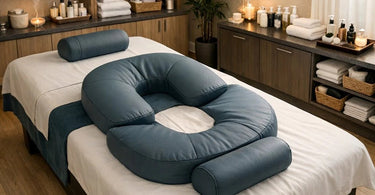
First things first: let's talk about the elephant in the womb—safety. Prenatal massage isn't just about avoiding the belly (though that's a big part of it!). It's about understanding physiological changes, knowing contraindications, and creating an environment that supports both mother and baby. This starts with your table. A standard flat massage table is about as comfortable for a pregnant woman as trying to tie her shoes in the ninth month. You need proper support and positioning. Invest in a quality portable massage table that can accommodate special positioning pillows or, even better, consider a specially designed prenatal massage table or a versatile table with a cut-out section for the belly. Paired with the right massage bolsters and pillows, you can achieve the holy grail: side-lying and semi-reclining positions that take all pressure off the abdomen and lower back.
The Foundation: Furniture and Positioning for Ultimate Comfort
Your massage table is the stage, and the positioning is the choreography. For first-trimester clients, prone positioning (face down) might still be okay with proper abdominal support, but as pregnancy progresses, side-lying is the superstar. This requires a sturdy table and a system of supports. You'll need a full-body pregnancy pillow (or a combination of standard bolsters and wedges) to support the head, the top leg, the back, and the belly. The goal is to make the client feel cradled and secure, not like she's balancing on a log. Don't forget about the end of the table! As pregnancy advances, some women find it uncomfortable to have their feet hanging off the end. A simple footrest extension or a strategically placed stack of towels can make a world of difference. And for heaven's sake, make sure your table is wide enough! That extra few inches of width provides crucial stability and peace of mind when she's rolling over.
Climate Control & Ambiance: Setting the Mood for Mama
Pregnant women often run hotter than a Facial Steamer on high. Hormonal changes and increased blood volume can make them feel overheated quickly. Your room temperature needs to be on the cooler side—think a comfortable 68-72 degrees Fahrenheit. Have a lightweight blanket available, but let her dictate if she needs it. Ambiance is everything. Harsh lighting is a no-go. Soft, dimmable lights or salt lamps are perfect. Sound is another critical factor. Skip the dramatic, soaring classical music or anything with a heavy beat. Opt for gentle, instrumental music, nature sounds, or even guided meditation tracks specifically for pregnancy. A small, quiet diffuser can be wonderful, but this leads us to our next, very important point...
The Product Pantry: Choosing Truly Pregnancy-Safe Formulas
This is where you need to be a label-reading detective. Many essential oils are contraindicated during pregnancy, especially in the first trimester. Oils like clary sage, rosemary, cinnamon, and juniper should be avoided unless you have specific, advanced training in prenatal aromatherapy. When in doubt, skip the oil in the diffuser and use it only in highly diluted amounts in your carrier oil for topical application, sticking to known safe options like lavender, chamomile, or sweet orange. Your massage oils, lotions, and creams need extra scrutiny. Look for products free from retinoids, high doses of salicylic acid, phthalates, and synthetic fragrances. Hypoallergenic, unscented, or naturally scented products from reputable brands like Biotone or Soothing Touch are excellent choices. Remember, a pregnant woman's sense of smell is superhero-level strong. What smells mild to you might be overwhelming to her, so always ask for her preference.
Beyond the Massage: Amenities that Show You Care
The little touches are what transform a service from good to "I'm telling all my mommy group friends about this place." Have a sturdy, armless chair in the room to make sitting down and getting up easier. Provide a large, easy-to-grip water bottle for hydration post-massage. In the bathroom, make sure there's a non-slip mat in the shower and a clear path. Consider offering a towel steamer for warm compresses on shoulders or feet—it's pure luxury. For cleanup, ensure all your cleaners and disinfectants are non-toxic and low-odor. The last thing you want is chemical fumes lingering in the air. Stock up on hygienic table paper and fresh, high-quality towels for every client.
Navigating Service Nuances: What to Do and What to Avoid
Your technique needs adaptation, too. Deep tissue work on the lower back? Tread carefully. Avoid pressure points on the ankles, wrists, and abdomen that are believed in some traditions to stimulate contractions (unless you're at term and that's the goal!). Focus on glorious, gentle relief for the common complaint zones: the lower back, hips, shoulders, neck, and feet (yes, feet! It's a myth that foot massage is dangerous). Use long, gliding strokes and gentle kneading. This is not the time for aggressive myofascial release. Communication is key—check in more frequently than usual about pressure and comfort. And always, always have a signed intake form that includes obstetrician clearance if she's in her third trimester or has a high-risk pregnancy.
The Retail Opportunity: Safe Products for Home Care
Your care shouldn't end when she walks out the door. This is a prime opportunity for retail that truly helps. Stock pregnancy-safe sugar scrubs for stretch mark prevention (gentler than salt scrubs), rich, fragrance-free body butters for itchy skin, and nourishing cuticle oil (pregnancy can make nails weird, too!). You could even create small "Pregnancy Relief" kits with a travel-sized lotion, a tennis ball for self-acupressure on the back, and information about safe stretches. Brands like Voesh or Organic Fiji often have beautifully packaged, natural options that are perfect for gifting or self-care.
Marketing Your Prenatal Sanctuary
Once your room is set up, shout it from the rooftops! Use phrases like "Certified Prenatal Techniques," "Pregnancy-Safe Product Protocol," and "Specialized Side-Lying Positioning" in your marketing. Take beautiful photos of your serene, well-equipped room. Offer a complimentary 10-minute consultation for expecting moms to ask questions and see the space. Partner with local obstetricians, midwives, and doulas. They are always looking for trusted wellness partners to refer their clients to. This builds credibility and a steady referral stream that will have your prenatal books fuller than a diaper bag.
Building a dedicated prenatal massage room is an investment in compassion, safety, and serious business growth. It tells your community that you see the unique needs of expecting mothers and are professionally equipped to meet them with excellence. By choosing the right equipment and furniture, curating a selection of vetted, pregnancy-safe skincare and massage products, and training your staff thoroughly, you create more than a treatment room—you create a haven. And in today's market, a haven is exactly what busy, aching, expecting moms are searching for. They'll thank you, their partners will thank you, and your bottom line will definitely thank you. Now go fluff those pillows and get ready for some seriously grateful clients!
