
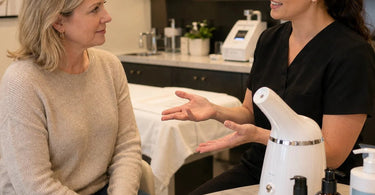
Transform how you work, starting today. Let’s face it—your treatment room is a sanctuary. It’s the place where clients come to de-stress, unwind, and forget about the chaos of the outside world. But for a significant portion of your clientele, that peaceful steam bath or cozy facial you’ve meticulously prepared can feel less like a hug and more like a trap. We’re talking about claustrophobia, and if you think it’s rare, think again. It affects an estimated 7 percent of the population, which means that statistically, a solid chunk of your book is low-key terrified of enclosed spaces, including steam rooms and treatment rooms . Ignoring this is like ignoring a leaky ceiling—it’s a disaster waiting to happen. But embracing it? That’s how you turn a potential panic attack into a loyal, raving fan who will follow you to the ends of the earth for a good massage.
The good news is that making your spa or salon a safe haven for everyone doesn't require a complete renovation or a degree in psychology. It just takes a little awareness, a few strategic tweaks, and a whole lot of empathy. At Pure Spa Direct, we believe in equipping you with the tools and knowledge to build a business that not only looks amazing but feels amazing for every single client who walks through the door. We're your one-stop wholesale source for everything from professional salon equipment to the little touches that make a huge difference, and we're here to help you master the art of the inclusive experience.
Why Fear is a Bigger Deal Than a Wobbly Pedicure Chair
First, let’s get one thing straight: claustrophobia isn't just someone being 'a little uncomfortable.' It’s a genuine, deep-seated fear that can trigger a full-blown panic response—think racing heart, shortness of breath, sweating, and the overwhelming urge to escape . And what’s the most common trigger for this in our line of work? You guessed it: steam. That beautiful, skin-softening, pore-opening steam can feel suffocating for someone with this condition .
Imagine this: You’ve just prepped your client for a luxurious steam bath. You've got the fresh towels on the seat, the temperature is perfect, and you’re ready to let them relax. But instead of blissing out, they’re mentally calculating the distance to the door, trying to control their breathing, and vowing never to return. Not only is this a horrible experience for the client, but it’s also bad for business. A client who feels trapped is a client who won't rebook, and they’ll probably tell their friends. So, how do we fix this?
Communication is Your Most Important Spa Essential
The most powerful tool in your arsenal against client anxiety isn't a fancy machine or a high-end product—it's your words. The key is to proactively address the fear of claustrophobia before it even has a chance to surface. This starts well before the client ever lies down on your massage table.
During the consultation, simply ask: 'Do you have any concerns about enclosed spaces, or is there anything we can do to make you more comfortable during your treatment?' You’d be surprised how relieved they’ll be to have the opportunity to voice their concerns. It shows you're a pro who cares about their well-being, not just their money. As one industry guide rightly points out, explaining how easy it is to open a steam cabinet door is a simple yet powerful way to 'counteract any fear the client may have of claustrophobia' . Knowing they have an escape route can make all the difference.
And don't stop there. The power of choice is a game-changer. Inclusivity expert Jamie-Lee Jones suggests offering 'silent treatments' as an option during booking, allowing clients to communicate a preference for a quiet, calming experience . This simple adjustment is a godsend for those who find small talk draining or who seek solitude in their self-care. You can also ask about draping preferences. A simple 'Would you prefer a lighter or heavier drape for your comfort?' can shift the power dynamic and build immediate trust .
Environmental Adjustments: Banishing the Panic Room Vibe
Okay, you've talked it out, and the client is on the table. Now it’s time to make sure the environment doesn’t trigger a fight-or-flight response. The goal is to make the space feel open, safe, and easily escapable—even if it's not a massive ballroom.
One of the best, most overlooked tricks is to adjust the room's focal point. If possible, position the facial steamer or steam source so it's not directly facing the client, and leave a clear line of sight to the door. This may sound obvious, but a client who can see the door feels infinitely more in control than one who is staring at a wall while the room fills with vapor. Some spas even leave the treatment room door slightly ajar during non-invasive treatments to alleviate that 'trapped' feeling.
For steam rooms or booths, take the advice of an old beauty therapy textbook: 'Fully explain the ‘steam bath routine’. Explain that they are not trapped inside the bath. To avoid feelings of claustrophobia, show the client how easily the door opens' . It’s about reinforcing control. Speaking of control, make sure your towel steamers are doing their job perfectly. A warm, fluffy towel on a cool, crisp table can be a sensory anchor that grounds a client and distracts from any anxiety. And remember, a cool, damp towel placed on the back of the neck or over the eyes during a steam treatment can be a literal lifesaver for someone feeling overwhelmed.
Control the Steam: It's About the Vibe, Not the Fog
While steam is the enemy for some, it's an essential tool in our trade. The key is to control the intensity and duration so it's therapeutic, not terrifying. For clients who are wary, start with a shorter, gentler steam session. A first-time steam bath might only be 10 minutes, and you can always build from there . You can also introduce the steam gradually, allowing the client to acclimate rather than being hit with a wall of hot, thick air.
For facial treatments, consider using a vacuum and spray machine as an alternative for deep cleansing without the heavy, enveloping steam. Or, if you must use a steamer, keep the distance generous and the angle oblique. The point is to be mindful. If a client says they’re uncomfortable, the answer is never 'just relax.' It's to back off, adjust the treatment, and ask what they need.
Space: The Final Frontier (and Your Client's Best Friend)
Finally, let’s talk about the physical space itself. Is your treatment room an inviting oasis, or does it feel like a cramped closet? As a professional, you know that less is often more when it comes to decor. Clutter can be visually overwhelming and contribute to a feeling of being closed in.
If your treatment room is on the smaller side, use mirrors strategically to make the space feel larger. But be careful—some people find mirrors disorienting in a panicked state, so use them wisely. Lighting is another game-changer. Avoid harsh, overhead fluorescents, which can feel clinical and cold. Instead, opt for soft, dimmable lighting or use lamps to create a warm, welcoming glow. Consider offering the client control over the lighting. A simple 'Would you prefer the lights dimmed or brighter?' gives them another layer of control over their environment.
If you're working with a larger space, consider creating a designated 'quiet zone' or separate sensory-friendly room. Jamie-Lee Jones created a 'Soul Sanctuary' for her clients—a separate area with its own entrance and a softer, more subdued ambiance . This not only accommodates clients with anxiety, but also those on the neurodivergent spectrum who might be hypersensitive to sound or scent .
And let's not forget the furniture. Investing in a wider massage table, say 30–32 inches, can make a world of difference for a client who feels physically cramped and anxious . Similarly, ensure your spa furniture, such as waiting area chairs, don't have restrictive arms that could make someone feel trapped . The message you’re sending is, 'We thought of everything to make you comfortable.'
Take It from the Pros: We've Got Your Back (and Your Supply Closet)
At Pure Spa Direct, we understand that running a spa or salon is about so much more than just the services you offer. It's about the entire experience. That's why we provide a huge range of products to help you create the perfect, stress-free environment. From professional salon equipment and massage supplies to aromatherapy and comfortable bedding, we are your one-stop shop.
As a distributor, we don't manufacture these products, but we curate the best of the best from top brands like Earthlite for tables, Boca Terry for plush towels, and CND for nail services, so you can focus on what you do best—providing exceptional care . Because a well-prepared spa professional with the right tools and knowledge isn't just a service provider; they're a trusted partner in their client's well-being. And that’s a reputation that’s worth its weight in gold (or, you know, bulk wax deals).
So the next time you’re setting up for a treatment, think beyond the routine. Ask yourself: 'Does this feel safe? Is it inviting? What can I do to make this client feel like they're in control?' A little empathy and a few thoughtful adjustments can transform a potentially fearful experience into one of pure, unadulterated relaxation. And honestly, isn't that what we're all here for?
)