
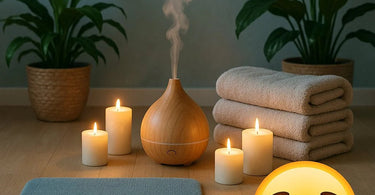
Your clients will notice the difference when you master the art of the breathing cue—and no, we’re not talking about that half-hearted “just relax” mumble you do while trying to remember if you turned off the wax warmer. The deep breathing cue is arguably one of the most powerful yet underutilized tools in your wellness arsenal. When executed properly, it can transform a standard massage or facial into a profoundly therapeutic experience that keeps clients booking back-to-back appointments and raving to their friends. It’s the subtle magic that separates adequate technicians from unforgettable healers.
Think about it: when was the last time you actually guided a client through breathing rather than just mentioning it in passing? If you’re like most professionals, you might be missing out on one of the easiest ways to elevate your practice. Proper breathing cues can reduce pain perception during waxing services, enhance relaxation during hot stone massages, and even improve outcomes during cupping therapy. This isn’t just fluffy wellness talk—it’s neuroscience meets practical application.
Why “Just Breathe” Doesn’t Cut It Anymore
Let’s be honest: “just breathe” has become the “how are you?” of the wellness world—everyone says it, nobody really means it, and it rarely produces meaningful results. Clients hear this empty phrase everywhere from yoga classes to dental appointments, and it’s lost all potency. The modern client is more sophisticated than ever before, with access to meditation apps, biofeedback devices, and breathing coaches. They can tell when you’re going through the motions versus when you’re delivering targeted, intentional guidance.
The magic happens when we move beyond generic instructions and into specific, timed, purposeful breathing cues tailored to the service and client needs. During a brow wax, the breathing technique will differ dramatically from what you’d use during a deep tissue massage or lash lift. The timing, rhythm, and even vocabulary matter tremendously.
The Science Behind the Sigh: Why Breathing Cues Actually Work
When you guide a client through intentional breathing, you’re essentially hacking their nervous system. Deep, diaphragmatic breathing activates the parasympathetic nervous system—the part responsible for “rest and digest” functions. This directly counteracts the fight-or-flight response that many clients experience when facing potentially uncomfortable services like dermaplaning or microdermabrasion.
The physiological changes are measurable: heart rate slows, blood pressure decreases, muscle tension reduces, and even pain tolerance increases. For clients receiving Brazilian waxing or tattoo removal services, proper breathing guidance can mean the difference between a tolerable experience and a traumatic one. It’s not just about comfort—it’s about creating conditions where your technical work can shine without the client tensing against you.
Timing Is Everything: When to Deploy Your Breathing Arsenal
The difference between an awkward interruption and a seamless integration often comes down to timing. The best practitioners weave breathing cues naturally into their treatment flow rather than dropping them like awkward wellness bombs. Here are the prime moments for breathing guidance:
Preemptive Strikes: Before potentially uncomfortable moments during waxing or extraction-focused facials, guide clients through several preparatory breaths. This sets the pattern before discomfort arises.
Recovery Breathing: Immediately after intense moments (like removing a wax strip or working through a knot), guide clients through a releasing exhale to discharge residual tension. This is especially valuable during deep tissue work or ingrown hair treatments.
Transitional Breathing: Use breathing cues to mark transitions between different aspects of the service, such as moving from exfoliation to paraffin treatment during a pedicure. This helps clients mentally shift along with the physical transition.
Integration Breathing: Toward the end of the service, use guided breathing to help clients integrate the benefits of their treatment and transition gently back to awareness. This is particularly effective after aromatherapy or thermotherapy treatments.
Vocabulary Matters: What to Say (And What to Avoid)
The words you choose can either enhance the experience or trigger unintended responses. “Breathe into the pain” might sound profound to you, but to a client on the waxing table, it can feel like you’re asking them to welcome discomfort. Instead, try more neutral, directional language that focuses on sensation rather than judgment.
Instead of: “Take a deep breath” (vague and overused)
Try: “Let’s inhale together for three counts, and exhale for five” (specific and collaborative)
Instead of: “Just relax” (minimizing and frustrating)
Try: “Notice where you’re holding tension, and see if the exhale can soften that area” (observational and empowering)
Instead of: “This might hurt” (anticipatory anxiety)
Try: “On the next exhale, we’ll work through this area together” (preparatory and collaborative)
For clients receiving more intense services like laser treatments or microdermabrasion, consider using metaphorical language that creates distance from discomfort: “Imagine each exhale carrying tension down through the table and into the floor” or “Let’s breathe rhythmically like ocean waves.”
Breathing Cues for Specific Services: A Practical Guide
For Waxing Services: The key is timing breaths with hair removal. “Inhale deeply now... and exhale as I remove the strip” works far better than generic relaxation talk. Keep cues short, direct, and timed precisely with your actions. Using a high-quality low-temperature wax combined with strategic breathing can dramatically improve the client experience.
For Massage Therapy: Coordinate breathing with pressure application. “I’m going to breathe with you as we work into this area” creates powerful therapist-client connection. During hot stone massage, guide breathing to enhance the thermotherapy effects: “Imagine inhaling warmth and exhaling tension.”
For Facial Treatments: During extractions or high-frequency treatment, use breathing to minimize flinching. “Exhale slowly through your mouth as I work on this area” helps clients remain still during precise work. For oxygen facials, connect breathing to the treatment concept: “Let’s breathe in renewal and exhale impurities.”
For Nail Services: During cuticle work or acrylic application, guide breathing to keep hands relaxed and still. “Notice your breath flowing to your fingertips” can enhance relaxation during manicures and pedicures.
Creating the Right Environment: Setting the Stage for Success
Even the most expertly delivered breathing cue will fall flat if the environment works against you. The setting either supports or undermines your guidance. Ensure your massage table is comfortable with appropriate warming features and supportive bolsters. The room temperature should be warm enough that clients aren’t shivering but cool enough that you’re comfortable working.
Aromatherapy can significantly enhance breathing work—consider subtle scents like lavender for relaxation or eucalyptus for respiratory support. Avoid overwhelming fragrances that might trigger allergies or distract from the breathing experience. The lighting should be dim but not dark, allowing you to see your work while maintaining a tranquil atmosphere.
Even your table linens and professional appearance contribute to the client’s ability to relax and follow your guidance. Crinkly paper sheets or a therapist who looks rushed and stressed will undermine even the most perfectly phrased breathing cue.
Breathing Through Discomfort: Advanced Techniques for Challenging Moments
Some services naturally provoke more anxiety or discomfort than others. For bikini waxing, tattoo removal, or deep tissue work, consider teaching clients a specific breathing pattern before you begin. The 4-7-8 technique (inhale for 4 counts, hold for 7, exhale for 8) is particularly effective for managing pain and anxiety.
For clients who struggle with breathing guidance (some people genuinely don’t know how to breathe diaphragmatically), place a hand lightly on their abdomen and say “try to breathe into my hand.” This physical feedback helps them connect with the sensation of deep breathing without over-explaining.
During especially intense moments, use counting aloud to anchor both you and the client. “Okay, we’re going to take three breaths together here” creates a shared experience and definite endpoint to the challenging part of the service.
Integrating Breathing Cues with Other Modalities
The most skilled practitioners weave breathing guidance together with other techniques for multiplied effects. During hot stone therapy, coordinate breathing with stone placement: “As you exhale, I’m placing this warmed stone along your spine.”
With aromatherapy, connect the scent to the breath: “Notice the lavender as you inhale, and imagine releasing tension as you exhale.” During cupping therapy, use breathing to enhance the release: “As you exhale, I’m lifting the cup to release this area.”
Even with electrotherapy modalities like galvanic current or microcurrent, breathing cues can enhance results: “As you inhale, imagine the product penetrating deeper; as you exhale, imagine the current lifting and toning.”
Practice Makes Permanent: Developing Your Breathing Cue Skills
Like any technical skill, effective breathing guidance requires practice. Record yourself during a few sessions (with client permission, of course) and notice how you currently use breathing cues. Practice with colleagues until the phrases feel natural rather than forced.
Consider developing a few “go-to” breathing scripts for different scenarios: one for pain management, one for general relaxation, one for transition moments. Having these ready will make your delivery more confident and natural. Remember that authenticity matters more than perfection—clients respond to genuine care more than flawless technique.
Finally, don’t forget to breathe yourself! Therapists who hold their breath while working communicate tension to clients through touch. Your own regulated breathing becomes a nonverbal cue that encourages clients to breathe deeply as well.
The Business Case for Better Breathing: Why This Matters Beyond the Table
Exceptional breathing guidance isn’t just about creating better individual experiences—it’s about building a competitive advantage. Clients who experience profound relaxation through your guided breathing are more likely to rebook, refer friends, and purchase retail products like home aromatherapy diffusers or relaxation aids.
This skill becomes particularly valuable when working with anxious clients, those with chronic pain, or clients preparing for special events like weddings who need extra stress relief. Your ability to guide breathing effectively might be the difference between a one-time visitor and a loyal regular.
In a marketplace where technical skills are increasingly standardized, the “soft skills” like breathing guidance become powerful differentiators. While your competitors are still muttering “just relax,” you’ll be delivering transformative experiences that clients remember long after they leave your treatment room.
The art of the deep breathing cue represents that beautiful intersection where science meets spirit, technique meets intuition, and professionalism meets human connection. It costs nothing to implement yet delivers immense value. So take a deep breath in... and as you exhale, imagine integrating this powerful tool into your next client interaction. Your clients—and your booking calendar—will thank you.
