
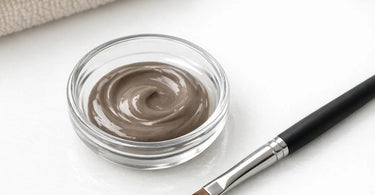
Do your best work, every time... and lets be real, nothing ruins a flawless brow service faster than tint that decides to wander off like a toddler with a marker. You spend forever mapping out the perfect arches, mixing the perfect shade, and then the second it touches skin, it bleeds, blurs, and leaves your client looking more like she lost a fight with a magic marker than a goddess. We have all been there, staring at a feathery, undefined edge thinking, "Well, this is a vibe I did not ask for." The good news? It is not your technique that is broken. It is the viscosity of your tint. Finding the perfect tint viscosity is the secret handshake of the brow world, the golden ticket to sharp, Instagram-worthy edges that stay exactly where you put them. When you get that texture just right, you are not just tinting; you are sculpting. So, grab your favorite Lash & Brow Service Supplies and let us dive into the goopy, glorious science of why thickness matters so dang much.
When we talk about viscosity, we are really just talking about how thick or runny the liquid is. Think of water versus honey. Water has low viscosity, meaning it spreads instantly. Honey has high viscosity, meaning it stays in a nice little blob. For brow tinting, low viscosity is the enemy. It acts like a liquid liner that has been left uncapped, dripping into the fine lines around the eye, staining the skin in places you did not intend, and destroying the sharp Brow Lamination results you worked so hard to achieve. High viscosity, on the other hand, is your best friend. It is creamy, it is obedient, and it respects boundaries. A thicker tint sits on top of the hair and skin exactly where you paint it, allowing you to get right up to the edge of the brow line without bleeding into the desert of the forehead. This is absolutely critical for creating that crisp, defined look that makes bone structure pop.
The Science of the Sludge: Why Creamy Wins Every Time
Let us get nerdy for a second because understanding the "why" helps you master the "how." The primary vehicle in most Professional Lash and Brow Tint is water . But water alone is a runner, not a stayer. That is why professional tints use thickeners like Carbomer or PVP (Polyvinylpyrrolidone) . Carbomer is a polymer that absorbs water and swells up, turning that watery solution into a luxurious gel. It is like giving the water a million little sponges to hold onto so it cannot run away. PVP acts as a film former . As the tint dries, PVP creates a thin, flexible film over the hair and skin. This film locks the color in place, preventing that lateral bleed we all hate. So, when you are shopping, look for tints that list these ingredients. If the first ingredient is water and the second is a thickener, you are on the right track. If it just feels like thin paint, run. Your Waxing Supplies for Professionals might be forgiving, but brow tint is not.
Now, let us talk about the real-world application of tint viscosity. I have seen artists try to combat thin tint by adding less developer or leaving the cap off to let it evaporate, but that is like trying to fix a sinking boat with a paper towel. It is messy and it messes with the chemical reaction. The best brands, like the ones we carry at Intensive, ViBrowLASH, and Refectocil, have already done the chemistry for you. For example, the ViBrowLASH Pro Tint is known for its perfect pudding-like texture. It stays where you place it, allowing for incredible precision without rushing . Similarly, Refectocil has a creamy consistency that blends beautifully but holds its shape. When you have that viscosity, you can actually use your brush to carve out the shape, wiping away excess to leave a razor-sharp line.
Techniques for a Flawless, No-Bleed Application
Even with the best tint viscosity, your application technique matters. I want you to think of the tint as clay, not paint. You are sculpting the brow. Before you even mix your color, make sure the skin is squeaky clean and bone dry. Any oil, moisturizer, or leftover makeup is a slip-n-slide for pigment. Use a good Pre & Post-Waxing Product or a simple degreaser to strip that area down. Then, here is the pro move: take a spoolie and brush the brow hairs upwards and outwards. This lifts the hair away from the skin so you can get the tint underneath, but more importantly, it allows you to see the skin edge clearly.
When applying, use a stiff, angled brush. You want precision, not fluff. Dip your brush into the tint and wipe off the excess on the rim of your mixing dish. We want a thin layer of product on the brush, not a glob. Start applying the tint from the middle of the brow and work outwards. The tail of the brow is the driest area and usually takes color faster, so do it last. As you apply, you will notice a high-viscosity tint "beads" up on the hair. This is good! It means it is clinging to the hair shaft. Use the tip of your brush to draw a line along the bottom edge of the brow. With a thick tint, this line will stay put, creating that perfect stencil effect. If you are doing a Brow Lamination service, the viscosity is even more crucial, as the hairs are often lifted and the skin is more exposed. You need a tint that respects the new shape.
Let us also talk about timing. With a watery tint, you have to work fast before it drips. With a creamy, high-viscosity tint, you have the luxury of time. You can map the brow, apply the tint, and even use a clean, dry cotton tip to wipe away any tiny mistakes before they set. This ability to "erase" is a game-changer for achieving that crisp edge. I tell my students all the time: if you are sweating while tinting brows, you are using the wrong product. A service should feel like artistry, not damage control. And when you are done, the removal process should be gentle. High-viscosity tints usually contain film formers that peel or wipe away cleanly without leaving a stain on the skin (provided you used a barrier cream). It is a win-win.
Product Spotlights: Tints That Get the Viscosity Vibe Right
Since we are all about that thick life at Pure Spa Direct, let me highlight a few of my favorite heavy-hitters. We have tested them all (sometimes on very willing volunteers, sometimes on myself after a glass of wine), and these are the ones that deliver that crisp edge every single time. First up, the Intensive Tint range. This brand is beloved because their cream formula is exceptionally stable. It does not separate in the tube, and it mixes to a perfect, mousse-like consistency. It is ideal for creating those hyper-realistic, feathered strokes on the skin because it deposits color richly but refuses to migrate. It is a staple in my kit.
Next, we have the queen of the category, Refectocil. If you have been in the industry for five minutes, you know Refectocil is the OG. Their Refectocil Cream Dye has a unique, waxy texture that is unlike anything else. It almost feels like a thick lipstick when you first squeeze it out. This high viscosity makes it virtually bleed-proof, which is why it has been the gold standard for decades. It is especially good for mature clients with crepey skin where thinner tints love to settle into fine lines. For those looking for something gentle but vibrant, the ViBrowLASH Pro Tint is a modern marvel. It is ammonia-free and vegan , but do not let the gentle formula fool you. The viscosity is on point, offering a gel-like feel that is a dream to work with. Plus, it comes in a massive kit that offers incredible value for high-volume salons .
Finally, for the artists who love natural ingredients, we have Le Marque Henna. Henna has a different viscosity profile; it is often a bit grainier and paste-like. This texture is actually perfect for staining the skin underneath the brow, which is great for clients with sparse hairs. Because it is thick like a clay mask, it creates a solid barrier. Just remember, henna stains skin immediately, so your crisp edges need to be perfect the first time. No pressure, right? But with practice, the viscosity of Le Marque Henna allows for incredible, sharp stencils that look like microblading without the blade. You can find all these amazing brands right here on our Lash & Brow Enhancement Services page. Go check them out!
Mixing Matters: How to Adjust Viscosity on the Fly
Okay, so you have your high-viscosity tint. But what if it is a hot day? What if you accidentally squeeze a little too much developer? Viscosity is not static; it can change based on temperature and mixing ratios. Typically, brow tints are mixed with a developer or oxidant, usually in a 1:1 or 1:2 ratio . The developer is often a liquid or a cream. If your tint is a cream and your developer is a liquid, you are naturally thinning out the mix. To maintain that crisp edge, start by mixing a smaller amount of developer than you think you need. Add it slowly. You want the final consistency to resemble cake batter or toothpaste, not pancake batter.
If the mixture ends up too thin, do not panic. You have a few options. You can add a tiny pinch of a thickening powder if you have one, but most of us do not carry that in our aprons. The easiest trick is to let the mixed tint sit on your palette for 30 to 60 seconds. Some of the water content will evaporate, naturally thickening the remaining product. Just stir it again before applying. Another pro tip: use a cold metal palette. A warm palette (like if it has been sitting under your Towel Steamers) will keep the tint runny. A cold palette helps the fats in the cream solidify slightly, increasing the viscosity. It is a small detail that makes a huge difference when you are trying to paint a razor-sharp line. Remember, Pre & Post-Waxing Products need to be just right for the body, and your tint mixture needs to be just right for the face.
Troubleshooting the Bleed: When Things Go Wrong
Even with the best tint viscosity, sometimes Mother Nature throws a curveball. Maybe your client has extremely oily skin that repels the tint, or perhaps they have dry, flaky skin that acts like a wick, pulling the dye into the cracks. If you see bleeding starting to happen, you need to act fast. Have a dry cotton tip ready. Do not use a wet one, as water will activate the dye and make it spread further. Gently roll the dry cotton tip along the edge of the brow to absorb the excess tint before it sets.
If the skin is super oily, you might need to do a double-cleanse before the service. Use a lathering cleanser followed by an alcohol-based toner to really degrease that brow bone. For dry skin, exfoliation is key. A gentle scrub or even a soft, dry spoolie brushed over the area a few days before the service can remove the dead skin cells that cause feathering. Ultimately, the viscosity of your tint is your shield against these variables. A thick, creamy formula stands a much better chance against challenging skin types than a watery one ever will. And remember, always perform a patch test. Allergies to PPD or other ingredients are real and scary . Safety first, always.
Conclusion: Embrace the Thick Life
At the end of the day, your goal is to send clients out the door feeling like the best version of themselves. They want brows that frame their face, open their eyes, and look snatched. They do not want a tint-stained forehead that looks like a temporary tattoo from a 90s gumball machine. By choosing products with the right viscosity, you elevate your service from basic maintenance to high-end artistry. You save time on cleanup, reduce client discomfort from staining, and boost your confidence as an artist.
So, the next time you are restocking your Lash & Brow Service Supplies, look for those thick, creamy textures. Look at the ingredients for Carbomer and PVP. Ask your rep about the consistency. Your future self, the one who does not have to spend ten minutes scrubbing black dye off a client's temple, will thank you. Here at Pure Spa Direct, we have curated the best of the best because we know you have better things to do than fight with runny dye. Now, go forth and tint with confidence, you viscosity-loving geniuses!
