
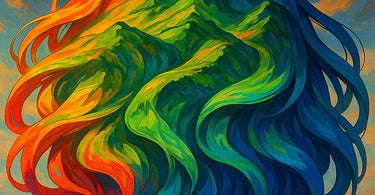
Efficiency starts with this tool... your eyes, but not just any glance will do. Picture this: you’re standing behind your client, staring at their head of hair like it’s a treasure map where X marks the spot for potential disaster or dazzling success. Every head of hair is a unique landscape with its own mountains of previous color, valleys of damage, and rivers of regrowth. Mastering the art of hair color formulation requires you to become a cartographer of color, mapping out this complex terrain before you ever pick up a brush. Forget just slapping color on and praying to the hair gods—this is about strategic planning that would make a military general proud.
Think of yourself as Lewis and Clark exploring uncharted territory, except instead of bears and rivers, you’re dealing with box dye and banding. The client who swears they’ve “only colored it once, maybe twice” (we all know that means twelve times) presents a topography more complex than the Appalachian Trail. Your mission: create a color strategy that accounts for every hill, valley, and chemical reaction waiting to happen. This isn’t just coloring hair—it’s being a detective, artist, and scientist all rolled into one fabulous professional.
The Initial Survey: Reading the Lay of the Land
Before you even think about mixing color, you need to conduct a thorough survey. Start with the client consultation—this is your chance to gather intelligence. Ask about their hair history, but remember to read between the lines. When they say “I used a little drugstore color,” translate that to “I conducted several unsupervised chemical experiments.” Examine their hair under good lighting (those magnifying lights aren’t just for facials) and feel the texture from roots to ends.
Divide the head into sections mentally—the crown is often the most porous, the nape the most resistant, and the front hairline the most delicate. Each zone requires different consideration, much like different climate zones on a map. The crown might absorb color faster while the nape needs extra processing time. Document your findings either mentally or with notes—this map will guide your entire color journey.
The Color Compass: Understanding Underlying Pigments
Every natural hair color has underlying pigments that become exposed during lightening. Think of these as the geological layers beneath the surface. Dark brown hair has red undertones, blonde has yellow, and so on. When lightening, you need to anticipate what’s going to emerge from those depths—it’s like archaeological excavation, but with more potential for orange disasters.
This is where your professional hair color knowledge becomes crucial. Understanding the level system and how to neutralize unwanted warmth separates amateurs from artists. If you’re lifting several levels, you’ll need to plan for color correction along the way. Having quality color correctors on hand is like having a GPS when you’ve taken a wrong turn—essential for getting back on course.
Topographical Challenges: Dealing with Previous Color
Previous color applications create the most challenging terrain. That ombre from two years ago? That’s Mount Everest sitting right in the middle of your canvas. Those highlights growing out? Those are the rolling hills of potential banding. And that box black dye? That’s the Grand Canyon—deep, dark, and difficult to navigate.
When facing multiple layers of color history, you need to assess porosity throughout the hair shaft. The most damaged sections will grab color quickly and may need pre-treatment with conditioning treatments to even out absorption. Sometimes you need to do color removal before applying your target shade—think of it as clearing the brush before building a house.
The Formulation Frontier: Mixing Your Colors
Now for the fun part—mixing your colors based on your map assessment. This isn’t about following a formula blindly; it’s about customizing for the specific terrain. You might need different formulas for different zones—a stronger developer on resistant areas, a gentler one on previously lightened sections.
Having a reliable mixing bowls and applicators makes this process smoother. Many colorists create what they call a “root cocktail” for new growth, a “midshaft mixture” for the transition area, and an “end formula” for the most porous sections. This targeted approach ensures seamless results from scalp to ends.
Application Expedition: Placing Color Strategically
How you apply color matters as much as what you apply. That resistant gray patch at the temples? That might need to be colored first and processed longer. The delicate ends? They might need to be applied last with a lower volume developer. This isn’t a race—it’s a carefully planned expedition.
Using the right tools makes all the difference. Quality color brushes allow for precise application, while sectioning clips keep your map organized. Many colorists work from the most resistant areas to the most porous, adjusting timing accordingly. Remember: the processing clock starts when you apply to each section, not necessarily all at once.
The Development Journey: Monitoring the Process
Once color is applied, your work isn’t done—you need to monitor the development like a hawk watching its prey. Check different sections periodically to ensure even development. The nape might need more time while the crown processes faster. This is where experience pays off—knowing when to pull color from different zones.
Having a timer dedicated to color processing prevents guesswork. Some colorists even set multiple timers for different sections. And don’t forget to do strand tests throughout the process—it’s better to discover a problem on one strand than the entire head.
Aftercare Adventures: Maintaining the Masterpiece
Your color masterpiece deserves proper maintenance. Educate clients on color-safe shampoo and conditioner to preserve their new hue. Recommend UV protection products if they spend time outdoors, and suggest regular glossing treatments to maintain shine between appointments.
Creating a maintenance plan is part of the service—map out when they should return for root touch-ups, tone refreshers, or deep conditioning treatments. This not only keeps their hair looking fabulous but builds client loyalty and ensures repeat business.
Cartography Catastrophes: Troubleshooting Common Issues
Even the most experienced colorists encounter challenging terrain. Banding from previous color? You might need to do a color melt to blend the lines. Brassy tones emerging? A toner might be your best friend. Overly porous ends sucking up color? Pre-treatment with conditioner can slow down absorption.
The key is having a well-stocked arsenal of problem-solving products. From color removers to fillers to bond builders, the right tools can rescue even the most dire situations. Remember: every color challenge is an opportunity to demonstrate your expertise.
Mapping Your Success: Building Your Color Business
Mastering color cartography isn’t just about technical skill—it’s about building your reputation and business. Clients will pay premium prices for colorists who can consistently deliver beautiful, customized results. Take photos of your work (with permission, of course) to build your portfolio of successful expeditions.
Invest in continuing education to stay current with new techniques and products. The beauty industry evolves constantly, and today’s cutting-edge method might be tomorrow’ standard practice. Having the right salon equipment and professional supplies supports your craft and elevates the client experience.
So the next time a client sits in your chair, don’t just see hair—see a landscape waiting to be transformed. With your color cartography skills, you’re not just a colorist; you’re an explorer, a mapmaker, and an artist creating beautiful terrain one head at a time. Now go forth and map some masterpieces!
