
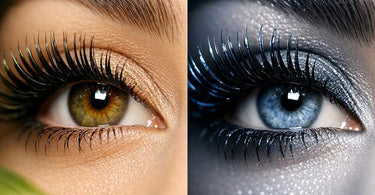
Focus on what matters most... like not having a client break out in a rash that makes them look like they lost a fight with a angry bee. We get it. You are a busy spa professional juggling a million things, from restocking cotton rounds to calming down the facial steamer that is hissing like a cat in a bathtub. The last thing you need is a chemistry lesson that puts you to sleep. But here is the tea, bestie: when it comes to lash tints, what is in the bottle matters almost as much as the final look. Today, we are diving deep into the great debate that has the beauty world buzzing: Organic vs. Synthetic lash tint formulations. Grab your favorite mug (the one that says 'I Snap Back at Clients Who Are Late'), and let us get into it.
Let us be real for a second. Your clients come in wanting those va-va-voom, bombshell lashes that make them look like they just stepped off a yacht in the South of France. But they also want products that arent going to irritate their waterline or cause a reaction that requires a medical disclaimer. This is where understanding Lash and Brow Tint chemistry becomes your secret weapon. Whether you are a high-volume waxing wizard or a lash and brow guru, knowing the difference between organic (often naturally derived or PPD-free alternatives) and synthetic (traditional chemical-based) tints is crucial for your bottom line and your client's safety.
The 'Clean' Lowdown: What Exactly Are Organic Lash Tints?
First, we need to clear up a major misconception. When we say 'Organic' in the context of lash tints, we aren't always talking about the USDA Organic seal you find on kale at the grocery store. In the professional beauty world, 'Organic' formulations for tints usually refer to products that are free from the harshest synthetic chemicals, specifically PPD (Paraphenylenediamine) and heavy metals . These modern formulations often utilize plant-based ingredients, silver nitrate, or iron oxides to deposit color onto the hair shaft .
Imagine this: Instead of forcing the hair cuticle open with harsh chemicals to shove color inside (which sounds aggressive, right?), organic-leaning tints often work by coating the hair with color. It is like putting a gorgeous, natural-looking jacket on the lash rather than breaking into the house. Brands leading the charge in this space, like RefectoCil with their Intense Browns line, have worked tirelessly with the FDA to create Silver Nitrate-based colorants that are compliant and gentle . These are game-changers for clients who claim they are 'allergic to everything' (and you know exactly which client we are talking about).
The Synthetic Side: The Heavy Hitters of the Color World
On the flip side, we have synthetic tints. These are your traditional, lab-created powerhouses. They have been the industry standard for decades because, frankly, they work fast and they work well. Synthetic tints usually contain PPD, which is a common ingredient in permanent hair dyes . PPD is incredibly effective at penetrating the hair shaft and creating a long-lasting, intense color payoff. If you want deep, inky blacks that look like liquid liner, synthetics deliver.
However, and this is a big 'however' shouted from the rooftops, PPD is also the number one culprit for allergic reactions . We are talking swelling, redness, itching, and in severe cases, blisters on the lash line. Yikes. While many clients use PPD-based products without issue, repeated exposure can cause sensitization, meaning one day, out of the blue, their body decides it has had enough and throws a fit . If you are stocking up on Hair Bleaches and Lighteners or other color chemicals, you already know how volatile allergies can be.
Safety First: Protecting Your Clients (And Your Liability)
Let’s talk about the elephant in the room: the FDA and eye safety. Historically, the FDA has not approved many traditional synthetic color additives for use on the lashes and brows because of the high risk of eye irritation and systemic toxicity . This is why many modern brands are shifting toward Silver Nitrate or natural iron oxides. These ingredients have a negligible reactivity rate and are widely considered safer for the sensitive eye area .
When you are performing services, trust is everything. If a client has a reaction to a lash tint because it was loaded with PPD, they arent just mad at the product; they are questioning your judgment. By offering organic or PPD-free alternatives, you position yourself as a premium, safety-conscious professional. You are the spa essential gatekeeper who cares about wellness, not just the 'Gram photo. Plus, you can charge more for 'sensitive skin' services. Cha-ching.
Application and Results: Does Natural Mean Weak?
Okay, but the million-dollar question: Do organic tints work as well as synthetics? The answer is yes, but with a slight adjustment in expectation. Synthetic tints (with PPD) tend to stain the skin (the lash line) more readily, which some clients love for that eyeliner effect. However, that skin stain fades quickly anyway. Organic tints generally offer slightly less intense 'shock value' on the skin initially but provide beautiful, natural-looking depth on the hair itself .
Think of it like the difference between a full-coverage foundation and a tinted moisturizer. Both are gorgeous; they just serve different needs. For the client who wants a soft, fluffy, 'my-lashes-but-better' look, Brow Henna or organic tints are the holy grail. For the client who demands the darkest, most dramatic result possible, a high-quality synthetic might be the way to go, provided they pass a patch test.
Speaking of application, you will need the right tools no matter which formulation you choose. Stock up on those tiny Applicators and Spatulas to keep things precise. You don't want that tint bleeding into a client's eye because you used a jumbo Q-tip. Precision is everything!
The 'Fragrance' Factor and Client Comfort
Have you ever opened a bottle of traditional tint and felt like your sinuses were being chemically cleansed against your will? That strong ammonia or chemical smell is a major turn-off for clients and techs alike. It stings, it waters the eyes, and it creates an unpleasant service experience .
Organic and PPD-free formulations are often odorless or have a very mild scent . This makes the service infinitely more relaxing. Imagine your client is lying on your cozy Massage Table, listening to the Aromatherapy diffuser, and you are tinting their lashes. If there is no acrid smell, they might just fall asleep. A sleeping client is a happy client, and a happy client tips 25%.
Mixing and Processing: A Study in Patience
From a technical standpoint, there is a slight difference in how you handle these two types of tints. Traditional synthetics are often ready to rock and roll immediately after mixing. Organic or natural tints sometimes require a slightly longer processing time or a specific activator to get the best color deposit .
This is not a downside; it is just an adjustment to your flow. Use that extra minute to prep your Hygienic Table Paper for the next client or to wipe down your Nail Tables and Manicure Stations. Efficiency is key, but rushing a tint never ends well. Trust the process, organic fam.
Longevity: How Long Do They Really Last?
Generally speaking, both formulations offer excellent wear time when applied correctly. You can expect 2 to 4 weeks of beautiful color regardless of whether you use organic or synthetic . The difference is in how they fade. Synthetic tints sometimes fade to a weird, murky color because of the oxidation of the chemicals. Organic tints, particularly those using iron oxides or plant-based pigments, tend to fade more gracefully and evenly .
This means no frantic calls from a client asking why her lashes look greenish-yellow. Instead, she just notices she needs a touch-up. This predictability builds retention. And retention means selling them a Lash Lift and Perm combo next time!
Making the Switch: Is It Time to Go Green?
If you are currently using a synthetic line but are curious about the organic hype, I say do a trial run. Start by adding a PPD-free option to your menu as a 'Sensitive Skin Upgrade.' Market it as a premium, hypoallergenic service. You will be shocked at how many people willingly pay extra for the word 'organic' or 'natural' even if they don't have sensitive skin.
It is also a massive selling point for your Luxury Spa brand. Clients are researching ingredients now more than ever. They want to know that the products touching their eyeballs are free from unnecessary toxins. By aligning with brands like RefectoCil or Combinal, you align yourself with the future of beauty.
Building the Ultimate Lash Bar Setup
Regardless of which side of the fence you land on, your setup matters. You need a dedicated space that screams 'clean' and 'professional.' Invest in some serious Magnifying Lights so you can see those tiny baby lashes. Keep your space organized with Bottles and Jars for your cotton and applicators. And for the love of all that is holy, do not forget your Protective Gloves and Masks. Your safety matters too, honey.
Also, consider the flow of the room. You might be running back and forth between a Pedicure Chair and your lash bed. Having a mobile cart stocked with your chosen Lash and Brow Service Supplies will save your feet and your sanity. Because nobody got time for aching arches at 6 PM on a Saturday.
The Verdict: Which One Wins the Crown?
Drumroll, please... The winner is: Offering Both! Look, you are a businesswoman. Why limit yourself? Stock a high-quality, rapid-processing synthetic for your clients with tough-to-dye hair or who want maximum drama (and have passed a patch test). But also, keep a PPD-free, organic-leaning line for everyone else. This covers your entire client base.
Think of it like your ItalWax and Soft Strip Wax. You use hard wax for the bikini line and soft wax for the legs. Different tools for different jobs. Your tint selection should be just as versatile. Plus, having two options makes you look incredibly knowledgeable when clients ask about the 'ingredients.'
If you are just starting out or revamping your menu, I would lean toward organic or PPD-free first. The safety profile is better, the smell is nicer, and frankly, the marketing writes itself. 'Gentle, natural lash tinting for the modern woman' sounds a lot better than 'Industrial strength hair dye for your eyeballs.' Am I right?
Wrapping It Up (With a Clean Towel)
At the end of the day, whether you choose organic or synthetic lash tints, the goal is the same: giving your clients confidence and making their eyes pop without daily mascara. Both have a place in the professional salon. The key is to understand the difference between organic and synthetic lash tint formulations so you can make an educated choice for your business.
So, go forth and tint, my friends. Offer those patch tests, double-check those expiration dates, and always, always listen to your client's history. Keep your Towel Steamers fluffy and your High-Quality Towels clean. You have got this. Now, who wants to go tint some lashes?
