
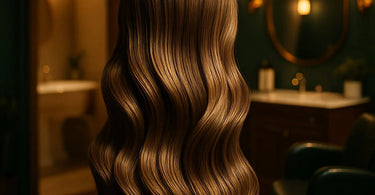
Success is in the details... and nothing screams "detail" like the sheer panic in a client's eyes when you mention the first post-salon wash. You've just performed your magic—transforming frizz into silk, dullness into dazzle, and chaos into perfection. But as they gaze into their mirror-reflected paradise, a whispered fear emerges: "What happens when I wash it at home?" Cue the dramatic music. This isn't just about hair; it's about preserving that "just stepped out of the salon" glory against the harsh realities of home water pressure, questionable water quality, and well-intentioned but disastrous DIY techniques. Let's turn that fear into confidence by equipping your clients with the knowledge and tools they need to make the first wash a success story instead of a tragedy.
Why does the first wash feel like walking a tightrope without a net? For many clients, it's the moment where salon perfection meets the wild west of their bathroom. Water hardness, improper techniques, and subpar products can quickly undo hours of meticulous work. But here's the secret: that first wash is actually a golden opportunity—a chance to deepen client trust, boost retail sales, and ensure they return raving about your services instead of crying over faded color or deflated curls. By preparing them properly, you're not just protecting your artistry; you're building a loyal community that sees your salon as the ultimate authority in beauty care.
Why the First Wash Triggers So Much Anxiety
Imagine spending two hours creating the perfect balayage, only to have your client wash it with a shampoo that strips color faster than a toddler removes wallpaper. Or crafting a voluminous blowout that collapses under the weight of a heavy conditioner. These nightmares are why clients break into a cold sweat at the thought of that initial rinse. The root of this fear often lies in three common culprits: water quality, product misuse, and technique troubles. Hard water, for instance, can leave mineral deposits that dull color and cause buildup, while chlorinated water can turn blonde hair greenish—yikes! Then there's the product issue: clients might use a clarifying shampoo on color-treated hair or skip heat protectant before styling, unknowingly undoing all your hard work. Finally, let's not forget technique; aggressive scrubbing, water that's too hot, or rough towel-drying can wreak havoc on delicate styles and treatments.
But beyond these practical concerns, there's an emotional layer: clients invest time and money into looking and feeling their best, and the idea of "ruining it" themselves can feel like personal failure. Your role? Be the reassuring expert who guides them through this process with empathy and expertise. When you normalize these fears and offer solutions, you transform anxiety into empowerment.
The Consultation: Your Secret Weapon Against Wash-Day Woes
Never underestimate the power of a thorough consultation—it's your first line of defense against first-wash disasters. During the service, take a few extra minutes to discuss post-care routines. Explain how the products you used interact with water and heat, and why maintenance matters. For example, after a keratin treatment, clients need sulfate-free shampoos to avoid stripping the treatment prematurely. Similarly, vivid color requires color-safe products to maintain intensity. Use this time to recommend specific products from your retail shelf, like color-protecting shampoos or hydrating masks, and explain why they're worth the investment.
Make it interactive! Ask clients about their home routine: What's their water pressure like? Do they have hard water? How often do they wash? This not only tailors your advice but also makes them feel heard. For instance, if they have low water pressure, suggest a clarifying treatment occasionally to prevent buildup. If they have hard water, recommend a chelating shampoo to remove minerals. By personalizing your guidance, you show that your expertise extends beyond the salon chair—and that's a surefire way to build trust and loyalty.
Product Power: Equip Clients with the Right Tools
Let's be real: great results require great products. The shampoo and conditioner clients use at home can make or break your masterpiece. That's why retail isn't just an add-on; it's an essential part of the service experience. Stock your shelves with products designed to maintain specific treatments, and educate clients on their benefits. For color-treated hair, recommend a system like color-protecting shampoos and conditioners that lock in vibrancy. For keratin or smoothing treatments, offer sulfate-free options that extend longevity. And for textured hair, suggest moisturizing products that enhance curl definition without weighing hair down.
But don't stop at shampoo and conditioner! Consider the entire routine: leave-in treatments, heat protectants, and styling aids all play a role. For example, a heat protectant spray is non-negotiable for clients who blow-dry or use hot tools regularly. Similarly, a weekly deep conditioning mask can combat dryness and maintain shine. Bundle products into kits for specific services—like a "Color Care Kit" or "Curly Hair Maintenance Set"—to make it easy for clients to invest in their hair's health. When they see how much better their style holds up with professional products, they'll thank you—and keep coming back.
Water Wisdom: Addressing the Unseen Culprit
Water quality might be the most overlooked factor in home hair care. Hard water, which contains high levels of minerals like calcium and magnesium, can leave hair feeling rough, dull, and resistant to color. Chlorinated water, common in pools and some municipal supplies, can strip moisture and alter color tones. So how do you help clients combat this? First, recommend a water filter for their showerhead. Filters designed for hair care can reduce chlorine and minerals, making water gentler on hair and skin. While you might not sell these directly, you can suggest trusted brands or even partner with a local supplier for referrals.
Next, adjust product recommendations based on water type. For hard water areas, suggest periodic use of a clarifying shampoo to remove buildup. For chlorinated water, recommend a chelating treatment to neutralize chemicals. And for all water types, emphasize the importance of lukewarm (not hot) water to prevent cuticle damage and color fading. By addressing water quality, you show clients that you've thought of everything—even the stuff they haven't.
Technique Tips: Teach Them How to Wash Like a Pro
It's not just what clients use; it's how they use it. Many people have been washing their hair the same way since childhood—which often means aggressive scrubbing, hot water, and rough towel-drying. As the expert, you can gently correct these habits without making them feel criticized. Start with water temperature: encourage lukewarm water to avoid stripping natural oils and causing color to fade. Then, demonstrate proper shampoo application: emulsify the product in hands first, apply to the scalp, and massage gently with fingertips (not nails!) to stimulate circulation without causing friction.
Conditioning is another area where technique matters. advise clients to focus conditioner on mid-lengths and ends, avoiding the scalp to prevent greasiness. For fine hair, suggest a lightweight formula applied sparingly; for thick or curly hair, recommend a richer cream left on for a few minutes. After rinsing, teach them to blot (not rub) hair with a microfiber towel to reduce frizz and breakage. Finally, reinforce the importance of heat protection before styling: a quick spritz of heat protectant can mean the difference between glossy locks and fried ends. These small adjustments can dramatically improve how their style holds up between appointments.
Beyond Hair: First-Wash Fears in Other Services
While hair services often dominate the first-wash conversation, other treatments have their own post-care nuances. For instance, after a microdermabrasion facial, clients need to avoid harsh cleansers and use gentle, hydrating products to soothe skin. Similarly, following a waxing service, skin is sensitive and prone to irritation; recommend post-wax lotions to calm inflammation and prevent ingrown hairs. Even nail services require aftercare: fresh gel polish needs cuticle oil applied daily to maintain flexibility and prevent chipping.
For each service, create simple take-home instructions that outline what to do (and avoid) during the first 24-48 hours. Use clear language and bullet points for easy reading. For example, after a lash lift, clients should keep lashes dry for 24 hours and avoid oil-based makeup removers. After a paraffin wax treatment, they should moisturize regularly to extend softness. By addressing these details, you ensure that every service—not just hair—looks its best for as long as possible.
Turning Fear into Confidence: Your Action Plan
Ready to banish first-wash fears for good? Start by integrating post-care education into every service. Train your team to discuss maintenance during consultations and follow up with personalized recommendations. Create quick-reference handouts for common services, listing recommended products and techniques. Consider hosting a monthly "Home Care Workshop" where clients can learn washing, styling, and maintenance tips from your stylists—this positions your salon as an educational hub and drives retail sales.
Finally, make it easy for clients to invest in their post-salon routine. Display retail products prominently and bundle them with services. For example, offer a discount on a shampoo and conditioner set with any color service. Use social media to share quick tips—like a reel demonstrating proper washing technique or a carousel post on combating hard water effects. When clients feel supported beyond the chair, they're more likely to stick with you—and refer their friends. After all, a client who masters the first wash is a client who returns with hair that's always salon-ready.
