
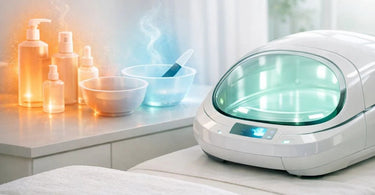
Why pros choose to master the thermostat with the same precision they apply to their technique. Let’s talk about the silent partner in every successful treatment: heat. Not the dramatic, steamy kind you see in movies, but the subtle, critical warmth that influences everything from how a wax adheres to how deeply a salt scrub exfoliates. This isn’t just about comfort (though that’s a huge part of it!); it’s a fundamental variable in product development, treatment efficacy, and client physiology. Mastering the “processing heat” variable—the interplay between a client’s body temperature and your treatment room’s ambient temperature—is what separates a good service from a mind-blowing, result-driven experience that keeps clients rebooking.
Think of it this way: your room is an extension of your toolkit, and your client’s body is the reactive canvas. Get the environment wrong, and even the most luxurious spa body treatment can fall flat. Get it right, and you unlock enhanced product performance, deeper relaxation, and better clinical outcomes. So, grab a cozy blanket (see, we’re already thinking about heat!), and let’s geek out on the warm, wonderful science of spa temperatures.
The Client’s Internal Thermostat: More Than Just Feeling Warm
A client doesn’t walk into your room as a blank slate; they arrive with their own thermal history. Stress, hormones, circulation, and even the weather outside affect their core temperature and skin sensitivity. When you apply heat or cold, you’re speaking directly to their autonomic nervous system. For instance, research on passive body heating, like warm baths, shows that it can significantly improve sleep quality by triggering a natural drop in core body temperature afterward, which signals to the body that it’s time to rest. This principle is golden for evening spa treatments designed for ultimate relaxation.
Heat exposure also stimulates physiological changes like increased heart rate and blood circulation. This isn’t just a minor side effect; it’s a treatment accelerator. Enhanced circulation means better delivery of the active ingredients in your serums and masks and more efficient removal of metabolic waste. It’s why a body wrap heating blanket isn’t just a cozy extra—it’s a tool that amplifies the detoxifying and nourishing effects of your products by warming the client from the outside in. Conversely, understanding when to use cool temperatures is key. After certain treatments like dermaplaning or for clients with rosacea, a cool cloth or chilled cupping tool can constrict blood vessels, reducing redness and calming inflammation.
Ambient vs. Operational: Cracking the Code of Room Temperature
Here’s where many spas hit a snag. There’s a big difference between “ambient” temperature and “operative” or “dry resultant” temperature. Ambient temperature is just the air reading on the thermostat. But what a client actually feels is the operative temperature—a complex blend of that air temperature plus the radiant heat from all the surfaces around them (like heated tables, warmers, or even sunny windows) and air movement. A room might be set to a standard 72°F, but if your client is lying under a heated blanket on a warmed massage table with a facial steamer humming nearby, their perceived thermal experience is completely different.
This is critical for comfort and treatment integrity. For example, the ideal storage and application temperature for many professional products is “room temperature,” but if your storage cabinet is in a chilly back room and your treatment room is toasty, you have a problem. A product like massage oil or professional gel polish behaves differently at different temperatures. Cold oil is harder to spread and can shock a client, while overheated gel polish can cure improperly. The simple solution? An Ideal Products bottle warmer on your side table ensures your products are always at the perfect, consistent, client-ready temperature, making you look like a seamless pro.
The High-Stakes World of Waxing Temperatures
If there’s one service where temperature is non-negotiable, it’s waxing. This is the “processing heat” variable in its most dramatic form. The wax itself must be heated to a precise viscosity in a reliable professional wax warmer. But that’s only half the equation. The client’s skin temperature and the room temperature play starring roles. Apply perfect wax to cool, goosebumped skin in a chilly room, and it will harden too quickly, grabbing the skin instead of just the hair. Ouch! Apply it in a hot, humid room to already-warm skin, and it might remain too soft, leading to messy application and ineffective removal.
The pros know: always test the wax on your own wrist first. But also, pre-warm the skin slightly with a clean, warm towel (heated in a convenient towel steamer) and ensure your room is comfortably warm, not drafty. This preps the hair follicle and allows the wax, whether it’s a gentle ItalWax hard wax or a efficient roll-on wax, to perform exactly as the brand like Cirepil or Lycon intended. Follow up with a soothing, temperature-stable post-wax product to calm the skin and prevent ingrown hairs.
Thermal Therapy: From Sauna Science to Targeted Heat
Controlled heat is a powerful therapeutic modality, and the science backs it up. Studies on sauna use show that sessions at a recommended 80°C (176°F) can lead to positive mood changes, decreased tension, and a feeling of vigor. However, the same study found that excessively high temperatures (like 120°C or 248°F) can have the opposite effect, inducing negative symptoms like nausea and confusion. The lesson? More heat isn’t always better. Controlled, intentional heat is.
This principle applies to high-tech devices, too. Equipment like radio frequency machines and microcurrent machines use heat or electrical stimulation at precise depths to trigger collagen production and muscle toning. The practitioner’s skill lies in selecting the right temperature and intensity for the individual’s skin tolerance and treatment goals. Even traditional tools like hot stones and warmers rely on the practitioner’s understanding of how much heat the client’s muscles can absorb for maximum relaxation without discomfort.
Creating Your Perfect Climate: A Practical Guide
Ready to optimize your space? Don’t just crank the heat. Think like a climate engineer for your mini-wellness world. Start by zoning your space. Your pedicure chair area might need to be warmer than your lash and brow service station, where clients are fully clothed. Invest in a good digital hygrometer to monitor both temperature and humidity—aim for that comfort sweet spot around 74°F (23.3°C) and 50% relative humidity for most seated, lightly clothed clients.
Your equipment is your best ally. Use localised heat sources to create micro-climates: a paraffin warmer for hand treatments, a thermaBliss warming cabinet for sheets, or a small space heater (safely positioned!) for a corner dedicated to body wraps. And never underestimate the simple power of asking: “Do you tend to run hot or cold? Would you like an extra blanket?” That single question shows next-level care and lets you adjust in real-time.
The Warm Conclusion: Heat as Your Signature
In the end, intelligently managing the “processing heat” variable is a hallmark of a true spa professional. It shows you understand the science behind the sensation. It demonstrates that you care about the minute details that transform a service from a transaction to a journey. When you control the climate, you control the client’s entire sensory experience, paving the way for better treatment results, profound relaxation, and unwavering loyalty.
So, audit your thermal environment. Embrace tools like quality warmers and blankets. And remember, in our world, warmth isn’t just a temperature—it’s the feeling of exceptional care. Now, go make someone’s day blissfully, perfectly warm.
