
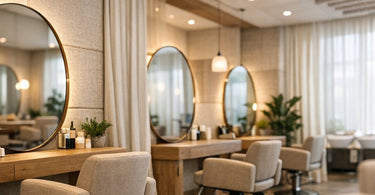
Stand out with this... Let’s be real for a second: you didn’t get into the beauty industry because you dreamed of a career as a professional noise-canceling headphone tester. Yet, here you are, trying to explain to your waxing client that yes, the stylist in the back *did* just tell the most hilarious story about their cat, but no, you are *not* judging her for the faint hint of a smile creeping across her face while you’re mid-brow wax. The open salon concept is a modern design dream—airy, social, and collaborative—but it can also become a chaotic symphony of blow-dryers, chatter, and the occasional dropped pair of shears. If you’ve ever found yourself fantasizing about installing a giant, soundproof bubble around your wax warmer just to get a moment of peace, this one’s for you.
The good news is, you don’t have to choose between a gorgeous, open floor plan and a calm, serene environment. The secret weapon you’ve been looking for isn’t a demolition crew or a library-style “shush” policy (we know that never works anyway). It’s texture. That’s right—the same textures that make your space look cozy, luxe, or trendy are also your first line of defense against acoustic chaos. By strategically incorporating tactile elements, you can control sound, elevate your brand, and finally hear yourself think during a massage intake form. Let’s get into the nitty-gritty of turning down the volume without turning down the style.
Why Your Open Salon Sounds Like a Rock Concert (and How Texture Saves the Day)
Think of an empty room. When you clap your hands, the sound echoes and bounces around, right? That’s because all the hard, flat surfaces—drywall, tile floors, glass windows—are reflecting the sound waves. In a salon, we’ve basically created a sound-bouncing paradise. We’ve got tile floors for easy cleanup (bless), large mirrors, metal styling stations, and windows to let in that glorious natural light. All of these surfaces are conspiring against your peace and quiet. They catch the sound of your facial steamer humming, the gossip from the shampoo bowl, and that one client’s phone call that seems to be happening at the volume of a stadium concert, and they just toss it all back into the room like a game of sonic ping-pong.
This is where our hero, texture, swoops in. Texture, in the form of fabrics, natural materials, and soft furnishings, works by absorbing sound waves instead of reflecting them. When sound hits a soft, porous surface, it gets trapped, diffused, and effectively neutralized. It’s like giving all that noise a nice, comfy pillow to land on instead of a concrete floor. By strategically introducing texture into your space, you can drastically reduce echo, lower overall noise levels, and create distinct sound zones. This means your nail table conversations won’t interfere with the facial next door, and your esthetician can actually hear the subtle cues from a high frequency machine without cranking it up to 11. It’s a win-win for you, your staff, and your clients.
The Ceiling: Your Silent (But Massive) Acoustic Opportunity
When we talk about texture, we usually think about what we can touch or see at eye level. But the biggest surface area in your room is often the one we forget to look at: the ceiling. A smooth, painted drywall ceiling is a massive sound reflector. It’s the culprit behind that tinny, hollow quality that makes everything feel louder than it actually is. If you’re in a space with high ceilings, you’ve probably noticed that sound just floats up there and hangs out, creating a permanent noise cloud.
Transforming your ceiling from a sound villain into a sound hero can be as simple as adding textured materials. Acoustic ceiling tiles are the classic solution—they come in a surprising variety of patterns and colors now, so you’re not stuck with the grey, pock-marked tiles of your childhood school. But don’t stop there. Consider wood slat panels, which are incredibly trendy right now and add a beautiful, warm texture while providing excellent sound diffusion. For a more dramatic, “spa-like” feel, fabric-wrapped acoustic panels are a fantastic option. They can be arranged in geometric patterns to create a stunning visual feature that also does the heavy lifting of sound absorption. It’s like giving your salon a stylish, sound-absorbing hat that works 24/7.
Flooring: More Than Just a Pretty Surface
We all love a good, durable floor. It has to withstand dropped wax applicators, spilled nail polish, and the constant foot traffic of your bustling business. But from an acoustic standpoint, that sleek, polished concrete or large-format porcelain tile you’ve been eyeing is essentially a sound launchpad. While it’s undeniably chic and easy to clean, it contributes significantly to noise levels. The good news is that you can have your style and your sanity too.
The simplest solution is to introduce texture through area rugs. And no, we’re not talking about the kind of shag carpet that was popular in the 70s (though, full disclosure, it would be *excellent* at sound absorption). Today, there are incredible, stylish, and surprisingly durable rugs designed for high-traffic commercial spaces. Look for low-pile, wool or synthetic blends that are stain-resistant and easy to clean. Place them strategically under your massage tables, in the waiting area, and in high-traffic walkways. If rugs aren’t your thing, consider luxury vinyl plank (LVP) with an attached acoustic underlayment, or a high-quality carpet tile. Carpet tiles are a game-changer—if one gets a stain you can’t remove, you just pop it out and replace it. They provide a consistent, soft surface that dramatically cuts down on footfall noise and echo. Your feet (and your clients’ ears) will thank you.
Textural Wall Art: Sound Absorption That Looks Good on You
Walls are another massive surface area that can be both a problem and a solution. We often cover them with posters, mirrors, or plain paint, but that’s a missed opportunity for acoustic control. Think of your walls as a blank canvas for sound absorption. Instead of just hanging a flat poster, consider fabric-wrapped acoustic panels. These aren’t the drab, grey panels from a corporate office. They come in a kaleidoscope of colors and shapes, and you can use them to create a stunning feature wall behind your reception desk or in your main styling area.
But texture doesn’t have to come in the form of a dedicated acoustic panel. Think about the materials you’re already using. A large, woven wall hanging made of cotton or wool is a fantastic sound absorber. A gallery wall of framed art is less effective than you might think (glass and frames are hard surfaces), but if you incorporate textile art—think macrame, woven tapestries, or even a collection of decorative blankets—you’re adding both visual interest and acoustic function. Another brilliant idea is to install a living wall. Plants are nature’s sound diffusers; their leaves, stems, and the soil they grow in all work to break up and absorb sound. Plus, they add a gorgeous, organic texture that immediately elevates the vibe of your space, making it feel more like a luxury spa than a busy salon.
Soft Furnishings: The Overlooked Acoustic All-Stars
This is where you get to have the most fun. Soft furnishings are the unsung heroes of acoustic control. They’re the little (or big) touches that make a space feel curated, comfortable, and—most importantly—quiet. We’re talking about everything from your window treatments to the upholstery on your chairs. Those high-quality towels you stock for your spa? They’re not just for pampering clients; when folded and stacked in an open shelf, they add a soft, absorbent texture that helps dampen sound.
Start with your windows. If you have large windows (and we hope you do, for that natural light!), consider installing heavy, floor-length drapery. Velvet, wool, and thick cotton are all excellent sound-absorbing materials. Even if you keep them open during the day, the sheer volume of fabric on either side of the window will help soak up sound. Next, look at your seating. Upholstered chairs, ottomans, and couches are acoustic sponges. If you have a waiting area with reception furniture made of leather or wood, consider adding textured throw pillows or a plush rug to the area. Finally, don’t underestimate the power of a good blanket or throw draped over the arm of a chair. It adds a layer of comfort and coziness that your clients will love, and it’s one more soft surface to help absorb the ambient noise of your busy day.
Furniture Choices: Function Meets Acoustics
Your furniture is doing double duty: it’s functional for services and a key visual component of your brand. But when you’re shopping for your next salon equipment and furniture, it’s time to add “acoustic performance” to your checklist. The materials you choose for your stations, chairs, and shelving can either amplify or absorb noise. For instance, open shelving made of wire or metal might look sleek, but it’s terrible for acoustics. It doesn’t trap sound, and the items you store on it (like glass jars or metal tools) can create a constant clatter.
Instead, consider incorporating wood or wood-look elements into your furniture. Wood has natural sound-diffusing properties that make it much more acoustic-friendly than metal or glass. When you’re selecting chairs for your styling stations or pedicure area, look for upholstered options. A pedicure chair with a fabric or vinyl-upholstered seat and back is going to be significantly quieter than a hard plastic or fiberglass one. For storage, consider closed cabinets over open shelving. They hide the visual clutter (which is a bonus for a calm environment) and also trap the sound of you grabbing supplies. It’s a small change that can make a big difference in the overall noise level. Your professional salon equipment choices matter—not just for function, but for the peace and quiet of your team.
The Magic of Zones: Using Texture to Define Your Space
One of the biggest challenges of an open floor plan is that everything blends together. The buzz from the hair styling tools in the back bleeds into the serene ambiance you’re trying to create for a facial. The chatter from the nail salon furniture area disrupts the relaxation of a massage. The solution? Use texture to create distinct acoustic zones. You can essentially build “rooms” within your open space using texture as your architect.
Think of texture as a gentle, visual fence. For your quiet zone—where you perform advanced facial treatments or massage—use the heaviest textures. Plush carpeting, fabric-draped ceilings, and upholstered walls signal to your clients that this is a sanctuary. For your high-energy zones, like the hair cutting and styling area, you can use lighter textures but still incorporate them strategically. A long, textured runner down the aisle between stations can absorb footfall noise, while acoustic panels behind the mirrors can prevent the sound from bouncing all the way to the quiet zone. By assigning a textural strategy to each zone, you’re not just controlling sound; you’re guiding your clients’ experience. They’ll intuitively feel the shift in energy as they move from the vibrant styling floor to the hushed tranquility of the treatment rooms.
Textured Accessories: The Finishing Touch
Finally, don’t forget the power of the little things. Sometimes, the smallest textures can make the biggest difference in the overall feel—and sound—of your space. This is where your retail and decor choices come into play. For example, instead of storing your professional cotton products in a plastic bin, display them in a beautiful, woven basket. The basket adds texture, warmth, and a soft surface for sound to cling to.
In your retail area, think about how you display products. Grouping items like sugar scrubs and salt scrubs on a wooden shelf with a fabric backdrop is not only visually appealing but also helps dampen the noise of packaging being moved. Adding a small area rug or a textured runner in front of your retail displays can soften foot traffic sounds, encouraging clients to browse at their leisure without feeling like they’re in a busy aisle. Even your choice of protective gloves and masks can play a small role—keeping them in a fabric-lined drawer or a soft, zippered pouch prevents the crinkle and rustle of plastic packaging from becoming a background distraction. It’s all about creating a cohesive environment where every element, no matter how small, contributes to a sense of calm and quiet professionalism.
So, there you have it. You don’t need to knock down walls or invest in a complex, expensive sound system to achieve a peaceful salon environment. You just need to get a little creative with texture. By thoughtfully layering soft, absorbent materials throughout your space—from the ceiling down to the floors, and everything in between—you can dramatically improve your acoustics. The result is a salon or spa that looks incredible and *feels* incredible, a space where your clients can relax, your staff can focus, and everyone can finally hear themselves think. And the best part? All those beautiful, textural elements are just a click away at Pure Spa Direct. Now go forth, get textured, and let the peace and quiet begin!
)