
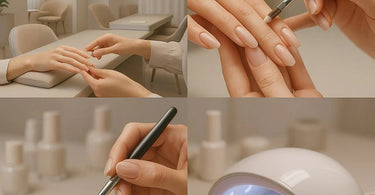
Deliver the best, every time... because let's face it, no one wants to be the nail tech whose clients leave with more bubbles than a champagne brunch. Acrylic nails are the bread and butter of any professional nail care collection, but mastering the application is an art form. Whether you're a seasoned pro or just starting out, this step-by-step guide will ensure your acrylics are flawless, durable, and Instagram-worthy. And hey, if you mess up, just blame it on the LED lamp—kidding!
Ready to dive into the nitty-gritty of acrylic nail application? Grab your nail brushes and let's get started. By the end of this guide, you'll be applying acrylics like a boss, and your clients will be coming back for more—because who doesn't love a nail tech who makes their tips look like they were sculpted by Michelangelo?
Step 1: Prep Like a Pro
First things first: prep is everything. You wouldn't paint a masterpiece on a dirty canvas, would you? Start by sanitizing your client's hands with a gentle cleanser. Then, grab your nail file and buffer to shape the natural nail and remove any shine. This helps the acrylic adhere better—think of it as primer for your nail art.
Next, push back the cuticles with a cuticle pusher and apply a dehydrator to remove any oils. This step is crucial because oil is the enemy of adhesion. If you skip this, your acrylic might lift faster than a gym bro's ego. Finish with a primer to ensure a strong bond between the natural nail and the acrylic.
Step 2: Choose Your Weapon—I Mean, Acrylic System
There are two main types of acrylic systems: liquid and powder (L&P) and dipping powder. For this guide, we'll focus on L&P because it's the OG of acrylic nails. You'll need a monomer (liquid) and polymer (powder) combo. Pro tip: Not all monomers are created equal. Invest in a high-quality one, like CND or OPI, to avoid the dreaded "hot nail" sensation.
Mix the liquid and powder to form a bead—consistency is key. Too wet, and it'll run like a toddler with a juice box. Too dry, and it'll crumble like your last relationship. Aim for a "honey-like" consistency that's easy to work with.
Step 3: Apply the Acrylic
Now for the fun part: application! Dip your brush into the monomer, then into the powder to pick up a bead. Place the bead on the nail and use the brush to shape it. Start at the cuticle and work your way down, smoothing as you go. Remember, less is more—you can always add more acrylic, but removing excess is a pain.
For the perfect apex (the highest point of the nail), place a slightly larger bead in the center of the nail. This ensures strength and prevents breakage. If your client is rough on their nails (looking at you, keyboard warriors), a strong apex is non-negotiable.
Step 4: Shape and Buff
Once the acrylic has set (but isn't fully hardened), use your file to shape the nail. Whether your client prefers stiletto, coffin, or square, this is your chance to make their nail dreams come true. Buff the surface to smooth out any imperfections—because nobody wants a bumpy nail.
Pro tip: If you're going for a glossy finish, skip the buffing and apply a gel polish instead. It'll save you time and give your client that salon-fresh shine.
Step 5: Finish with Flair
Time to add the cherry on top! Apply a cuticle oil to hydrate and shine. If your client is extra (and let's be real, who isn't?), add some rhinestones or nail art. Just remember: less is more unless your client wants to blind people with their sparkle.
And there you have it—the perfect acrylic nail application! With practice, you'll be able to do this in your sleep (though we don't recommend it). Now go forth and create nails so stunning they'll break the internet—or at least your client's group chat.
