
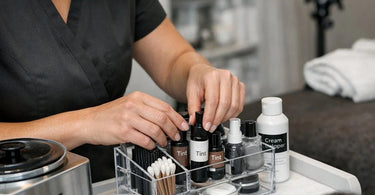
Pros trust this product to deliver stunning before-and-afters, but when it comes to layering chemicals over adhesives, trust needs a reality check. Let's be real, my fellow beauty boss. You've had that client. The one who walks in with a full set of gorgeous, fluffy extensions and then bats her baby blues asking, "Can't you just tint over these? I hate my blonde roots showing at the base." Your heart says yes because you love her. Your wallet says yes because bills are due. But your professional gut? That little voice that has seen some stuff? It's screaming, "Hold up, honey, not so fast!" We love a multi-service queen, and upselling is the name of the game, but mixing Professional Lash and Brow Tint with existing Premium Lash Extensions & Supplies is like trying to mix oil and water while juggling flaming torches. It looks cool until someone gets burned. So, grab a fresh Professional Cotton round and get comfy. We are about to dissect the sticky, risky, and sometimes hilarious world of why tinting over lash extensions is usually a giant "Nope," and how to keep your clients' peepers safe without losing your sanity.
Here at Pure Spa Direct, we aren't just distributors; we are your virtual BFFs in the beauty biz. We see the TikToks. We read the frantic late-night DMs. And we know you want to give the people what they want. But our number one job (well, right after making sure your Towel Steamers are toasty) is keeping your reputation sparkling and your clients' eyes un-swollen. Tinting natural lashes? Chef's kiss. Tinting extensions? That's where we enter the danger zone. Let's break down the chemistry, the chaos, and the correct protocols so you can be the hero your clients need, not the villain in their allergic reaction horror story.
The Chemistry of Chaos: Why Adhesives and Dyes Don't Mix
First, let's get our nerd glasses on for just a minute. Lash extension adhesives are serious business. We aren't using Elmer's glue in the Lash & Brow Service room. Those glues usually contain cyanoacrylate (or similar acrylates found in safer formulas today). It's strong, it's effective, and it has a particular chemical personality. On the other hand, most Professional Hair Color and tint formulas (even the gentle ones from brands like Refectocil Original) contain developers and alkalizing agents designed to swell the hair shaft and deposit color.
When you put that tint on a lash extension, you aren't just coloring a synthetic fiber. You are introducing harsh chemicals directly onto a glued joint. The solvents and PH balancers in the tint can literally start breaking down the adhesive bond, causing the extensions to slide off like a cheap wig in a windstorm . That's a disaster for retention. But worse? The chemical reaction can create heat or vapors that are trapped against the client's waterline because the extension blocks the escape route. Suddenly, you've got a chemical burn or a nasty case of allergic blepharitis (that's fancy doctor talk for "oh no, her eyelids look like angry tomatoes") . Tinting is designed for natural hair, not plastic or synthetic materials coated in industrial-grade glue.
The "Hidden" Adhesive Nightmare: Porous Lashes and Trapped Chemicals
Here is a secret they don't tell you in lash certification class: extensions are porous. Over the two to three weeks a client wears a set, those extensions soak up everything. Hand lotion, face oils, sweat from that hot yoga class she swore she would attend, and yes, remnants of the adhesive vapors. When you paint Lash Lift & Perm solutions or Intensive Tint over that, you are potentially activating those trapped chemicals. It creates a "toxic soup" sitting millimeters from your client's cornea .
Imagine the lash line as a dirty sponge. You wouldn't wipe a dirty sponge across a white wedding dress, right? So why would you apply tint without deep cleaning? Even then, you can't guarantee you've flushed out all the old adhesive residue or bacteria trapped in the bond. This is why we see those horrifying Lash & Brow Enhancement fails online. It's not just bad luck; it's bad science. The American Academy of Ophthalmology has warned about infections of the cornea and eyelid from these mixed procedures, and we listen when the eye doctors talk .
The Patch Test Pity Party (And Why You Must Host It)
I know, I know. You're rolling your eyes. "Jackson, my client is in a hurry! She saw a hack on Instagram!" Well, tell her that a lawsuit is also a hack, just a really expensive, reputation-ruining one. Even if a client has had tint before, and even if she's had extensions before, doing them together is a new variable. Sensitivities can develop out of nowhere . That Berrywell Cream Dye you love? It's magical, but magic doesn't exist for immune systems.
You need to do a patch test specifically for the combination of services if you absolutely must proceed (though we advise against it). Put the tint mixture on a small area behind the ear or the inner elbow where the skin is thin. Wait 48 hours. Did it get red? Itchy? Did it look like she lost a fight with a poison ivy bush? If yes, shut it down. No tint. No exceptions. Your Premium Skincare protocols exist for a reason. Your Protective Gloves & Masks aren't just for you; they signify that you handle hazardous materials safely. Own it.
The Staining Situation: When Extensions Turn Into Tie-Dye
Let's talk about the aesthetic fail, because vanity is a powerful motivator. Lash extensions are made of PBT (polybutylene terephthalate), silk, or synthetic mink fibers. These are plastics. Human hair dye is designed to stain protein (keratin). Plastics do not absorb dye the same way. What happens when you try to tint a synthetic extension? Best case scenario? Nothing. The tint rinses off, you wasted 15 minutes, and the client is annoyed. Worst case scenario? The extensions stain a weird, patchy gray or green color that looks like mold growing on her eyelids .
Or, even better (sarcasm font), the tint adheres only to the sticky glue bond at the base. Now your client has perfect blonde tips (the extension) and nasty black gunk rings at the root. It looks like she hasn't washed her face in a month. You cannot fix this. You have to remove the entire expensive set of extensions, clean off the goo, and start over. That is a comped service, a crying client, and a massive hit to your bottom line. Don't do it. Just don't.
The Proper Protocol: Lash Tinting BEFORE Extensions
Alright, let's fix this. How do you get that dark, dramatic look without the drama? It's called sequencing, baby, and it's the hallmark of a true pro. If a client wants the full glam of dark lashes and the volume of extensions, you must Tint First, Extend Second .
Here is your game plan for a flawless service using Lash & Brow Service Supplies from Pure Spa Direct:
- The Cleanse: Hit those natural lashes with a serious oil-free Professional Cleaner. They need to be squeaky clean.
- The Tint: Apply your chosen Professional Lash and Brow Tint (we love Combinal Cream Dye for this) to the virgin natural lashes only. Use a Magnifying Light to isolate them from any baby hairs.
- The Removal: Remove the tint carefully with lint-free wipes and dry the lashes completely.
- The Wait: Give the lashes a minute to breathe and the PH to balance out.
- The Application: Now apply your Premium Lash Extensions as usual. The adhesive will bond to the now-darkened natural lash, or you can use a dark-colored applicator to ensure the bond line is invisible.
This method creates a seamless "liner" effect. The base is dark, the extensions are fluffy, and no chemicals touch the glue joint. It's safe, it's stunning, and it makes you look like a wizard.
What To Do When A Client Shows Up Already Extended
So she's already in your chair. She has a full set on and she's begging for tint. Before you reach for the Intense Brow[n]s, take a breath. Educate her. Use your words! Explain exactly what we just talked about. "Honey, I love you, but that tint will melt that glue and might burn your skin. Let's not make your eyes look like pizza toppings."
Here are your safe alternatives:
- The Grow-Out Fix: If the roots are showing, use a lash-specific water-resistant liner or a dark setting powder tapped along the waterline. It’s quick, safe, and non-reactive.
- The Removal Route: Offer to remove the extensions (using proper dissolving gel), perform the tint service on her bare, natural lashes, and then apply a brand new set of extensions. Cha-ching! That's an upsell, not a freebie.
- The Hard No: If she refuses removal, refuse the service. Your integrity and her safety are worth more than the $20 tint fee. Send her home with a sample of calming eye gel and a smile, but do not cross that line.
Tools of the Trade: Setting Up Your Safety Station
Safety isn't an accident; it's a setup. To handle these tricky situations, your station needs to be armed and ready. Keep these essentials in arm's reach:
- Hygienic Table Paper for sterile surfaces.
- Applicators & Spatulas – disposable is the only way.
- Gel Patches to protect lower lashes during tinting (if you are doing natural lashes only).
- Brands like ViBROWLASH for those times you need a gentler formula for the natural lashes.
At Pure Spa Direct, we stock thousands of items in our Must-Have Supplies collection. From Massage Table Warmers to keep them cozy while you explain the chemistry, to the exact tint they need, we keep you covered. Don't risk your reputation on a hack. Do it right, or don't do it at all. Your clients' eyes will stay bright, their lashes will stay attached, and your booking software will stay full. Now go forth and tint safely (just not over the glue)!
