
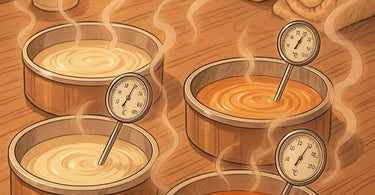
Upgrade client experiences now... by mastering the one skill that separates the waxing wizards from the waxing wannabes: temperature control. Let's be real - nobody wants to be known as the "Esthetician Who Served Up Client Crispy" (not exactly a Yelp review you'd frame). Perfect wax temperature isn't just about comfort; it's about creating a service so smooth clients might actually look forward to their next appointment (we said might, let's not get crazy). Getting your wax temperature dialed in means better results, happier clients, and fewer "oh dear" moments when you see that tell-tale redness that says "oops, too hot." It all comes down to three key elements: reliable thermometers, consistent stirring habits, and burn avoidance protocols that keep your clients safe and coming back.
Think of your wax warmer as your most temperamental kitchen appliance - it might say it's at 125°F, but is it really? Without proper calibration and monitoring, you're basically guessing, and in the world of professional waxing, guessing can lead to some very unhappy endings. The difference between perfectly spreadable wax and skin-scorching lava is often just a few degrees, which is why investing in quality equipment and developing good habits isn't optional - it's essential for any serious waxing professional.
The Truth About Wax Thermometers: Your New Best Friend
Not all thermometers are created equal, and using that cheap plastic one that came with your warmer is like using a sundial to time a rocket launch. Professional digital thermometers with probe sensors give you precise readings throughout the wax pot, not just at the surface. Surface temperature can be dramatically different from the temperature at the bottom of the pot, which is why you need to measure in multiple locations. Look for thermometers with easy-to-read displays, quick response times, and durable construction that can withstand the occasional wax splatter.
Different wax types have different ideal temperature ranges. Hard wax typically performs best between 125-135°F (51-57°C), while soft wax often needs slightly higher temperatures around 130-140°F (54-60°C). Always refer to your specific wax manufacturer's guidelines, as formulations vary. Keeping a log of temperatures that work best for different wax types and even different clients can help you create consistently perfect results. Remember: room temperature, humidity, and even the material of your wax warmer can affect how your wax behaves, so regular checking is non-negotiable.
The Art of Stirring: Why Laziness Leads to Lumpy Results
If you're not stirring your wax regularly, you're basically creating wax stratification - a fancy term for "hot on top, cool on bottom, lumpy everywhere." Consistent stirring ensures even heat distribution throughout the pot, preventing those frustrating cool spots that cause the wax to thicken and tear rather than spread smoothly. Think of it like making the perfect sauce: nobody wants lumpy béarnaise, and nobody wants lumpy wax application either.
Develop a stirring routine: before each client, after adding new wax, and whenever you notice temperature variations. Use a dedicated wax spatula that's appropriate for your wax pot size - too small and you won't reach the edges, too large and you'll make a mess. Stir in a figure-eight pattern rather than circular motions to ensure you're incorporating wax from all areas of the pot. And please, for the love of smooth skin, never use the same spatula for stirring that you use for application - cross-contamination is not the kind of extra service clients appreciate.
Avoiding the Burn: Reading the Signs Before Disaster Strikes
Client skin is talking to you - you just need to know how to listen. Before even applying wax, test a small amount on your inner wrist (where skin is sensitive) to check the temperature. It should feel warm but not painful, spread easily without running, and set up within the appropriate time for your wax type. Watch how the wax behaves as it cools on the skin - if it's shrinking too quickly or becoming brittle, it might be too cool; if it's not setting properly or feels uncomfortably hot, it's likely too warm.
The most common signs of impending wax burn include excessive redness immediately upon application, client discomfort (listen for those sharp intakes of breath!), and wax that appears thinner and runnier than usual. If you suspect the wax is too hot, immediately remove it from the heat source and allow it to cool while stirring continuously to prevent hot spots. Having a soothing post-wax product on hand is essential for those occasional oops moments, but prevention is always better than treatment.
Equipment Matters: Choosing Warmers That Keep Temperatures Consistent
Not all wax warmers are created equal when it comes to temperature consistency. Look for warmers with digital temperature controls, even heat distribution, and reliable heating elements that maintain consistent temperatures without dramatic fluctuations. Larger pots may require more frequent stirring as they're more prone to temperature variations from center to edge. Consider the size of your practice - if you're doing back-to-back waxing, investing in multiple smaller warmers might provide more consistent results than one large pot that's constantly being opened and closed.
Regular maintenance is crucial for temperature accuracy. Clean your warmers regularly according to manufacturer instructions, check heating elements for signs of wear, and calibrate your thermometers against a known accurate device periodically. Many professionals keep a backup thermometer for verification purposes - it's a small investment that can prevent big problems. Remember that older warmers may lose their temperature accuracy over time, so if you notice inconsistent results despite your best efforts, it might be time for an equipment upgrade.
Creating Client Confidence Through Temperature Mastery
When clients know you're meticulous about temperature control, their anxiety levels drop dramatically. Talk them through your process - explain that you check temperatures meticulously, show them how you test the wax before application, and share your commitment to their comfort and safety. This not only builds trust but also positions you as a true professional who cares about the details. Clients who have experienced wax burns elsewhere will particularly appreciate your attention to this crucial detail.
Consider creating a small display that shows your wax temperatures are within ideal ranges - much like restaurants that display kitchen temperature ratings, this visual reassurance can go a long way in building client confidence. Share your knowledge with clients who might be nervous about waxing, explaining how proper temperature control makes the experience more comfortable and effective. When clients see you meticulously stirring, testing, and monitoring temperatures, they understand they're in the hands of someone who takes their craft seriously.
Troubleshooting Common Temperature Issues
Even with the best equipment and habits, sometimes things go sideways. If your wax is consistently too hot or too cold despite thermometer readings, you might be dealing with equipment calibration issues. Try testing with a second thermometer to verify accuracy. If wax is setting too quickly, try increasing temperature slightly and stirring more frequently. If it's too runny, decrease temperature and allow more time for it to cool to the proper consistency.
Environmental factors play a huge role in wax behavior. Cold treatment rooms may require slightly higher wax temperatures, while humid environments might necessitate adjustments to your usual routine. Keep notes on what works in different conditions - this attention to detail is what separates adequate services from exceptional ones. Don't be afraid to experiment (safely!) with small adjustments to find what works best in your specific environment with your specific wax products.
Building Temperature Protocols Into Your Service Routine
Consistency is key in professional waxing, and that means building temperature checks into every service protocol. Create a checklist that includes pre-service temperature verification, stirring routines, and application testing. Train all team members on these protocols to ensure every client receives the same high standard of care regardless of which technician they see. Document your ideal temperatures for different wax types and even different body areas - some practitioners find slight variations work better for sensitive areas versus less sensitive ones.
Regular team training sessions on temperature management can help maintain high standards and troubleshoot common issues. Consider creating a "temperature trouble" scenario training where team members practice identifying and resolving common wax temperature problems. Share success stories and lessons learned - if someone discovers a technique that works particularly well, make it part of your standard protocol. This collaborative approach to perfection ensures your entire team delivers exceptional, consistent results.
Mastering wax temperature isn't just technical skill - it's an art form that demonstrates your commitment to excellence in every aspect of your service. By investing in quality temperature monitoring equipment, developing consistent stirring habits, and prioritizing client safety through burn prevention protocols, you're not just providing hair removal - you're providing an experience that keeps clients returning and referring. The few extra seconds it takes to check temperatures and stir properly can make the difference between a one-time client and a loyal advocate for your business. Now go forth and wax with confidence!
