
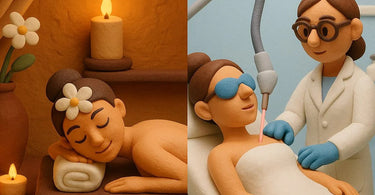
Boost client trust with this product knowledge that separates the relaxation experts from the medical aesthetic professionals. Picture this: one client wants to unwind with lavender-scented tranquility while another demands laser precision to zap unwanted hair. Both are valuable customers, but they’re walking through very different doors – and understanding which door your business should have could mean the difference between steady growth and explosive expansion. The spa versus medspa confusion ends right here, right now.
As beauty and wellness professionals, we’ve all watched clients increasingly seek treatments that blend luxury with clinical results. Maybe you’ve considered adding microdermabrasion to your menu or wondered if your space could accommodate RF machines. Perhaps you’ve even fielded requests for injectables during a facial steamer treatment (awkward!). Knowing the fundamental differences between traditional spas and medical spas isn’t just academic – it’s essential for business planning, service expansion, and legal compliance.
The Zen Den vs. The Science Lab: Core Philosophies
Traditional spas are the comfort food of the wellness world – warm, familiar, and focused on making you feel pampered. Think of your favorite towel steamer producing those cozy wraps, the gentle hum of hot stone warmers, and the aromatic bliss of essential oil diffusers. The primary goal? Stress reduction, relaxation, and temporary aesthetic enhancement.
Medspas, meanwhile, operate like precision laboratories with better decor. The atmosphere might still be serene, but the focus shifts to measurable, clinical outcomes. Instead of simply exfoliating with sugar scrubs, they’re using ultrasonic technology to drive products deeper. Rather than offering temporary hair reduction with soft wax, they’re providing permanent reduction with laser technology. The vibe says relaxation but the results scream science.
Who’s Running the Show? Staffing Differences That Matter
Here’s where the rubber meets the road – or rather, where the esthetician meets the physician. In traditional spas, you’ll find licensed professionals like estheticians, massage therapists, and nail technicians trained in cosmetic and relaxation techniques. These experts might be certified in specific modalities like dermaplaning or lash lifts, but their scope remains non-medical.
Medspas require medical oversight, typically from a licensed physician, physician’s assistant, or nurse practitioner who either performs or directly supervises medical procedures. Your amazing esthetician with decades of experience can’t suddenly start injecting Botox without proper medical supervision – and attempting to do so could land your business in serious legal trouble.
This doesn’t mean traditional spa professionals can’t expand their skills! Many estheticians pursue additional training to work in medspa environments under medical supervision. The key is understanding where the line exists in your state – because nothing kills the zen vibe like a cease-and-desist letter.
The Service Menu: Pampering vs. Prescribing
Let’s break down what you can actually offer in each environment. Traditional spas focus on services that improve appearance temporarily without breaking the skin or using medical-grade technology:
• Facials using products from brands like Tuel Skincare or June Jacobs
• Body treatments like salt scrubs and wraps
• Hair removal with ItalWax products
• Massage therapy on quality massage tables
• Manicures and pedicures at nail stations with premium polishes
Medspas incorporate these traditional services while adding medical interventions:
• Injectables like Botox and dermal fillers
• Laser hair removal and skin resurfacing
• Medical-grade chemical peels
• Microdermabrasion with medical-grade equipment
• LED light therapy for acne and anti-aging
• Body contouring with endermologie machines
The Legal Landscape: Regulations, Liability, and Licensing
This is the part where eyes typically glaze over – until someone gets sued. Traditional spas operate under cosmetic licensing boards with regulations focused on sanitation, proper disinfection protocols, and standard business operations. The requirements are substantial but generally manageable for beauty professionals.
Medspas enter the medical realm, which means additional layers of compliance, including:
• Medical director requirements
• Strict documentation protocols
• Higher liability insurance costs
• Compliance with healthcare privacy laws (HIPAA)
• More rigorous equipment maintenance for devices like RF machines and laser systems
Many aspiring medspa owners underestimate these requirements, but proper setup from the beginning prevents massive headaches later. Your stunning luxury spa furniture won’t compensate for improper medical documentation.
Investment and ROI: Following the Money
Let’s talk numbers because passion doesn’t pay the bills. Traditional spas typically require lower startup costs focused on creating ambiance with elements like reception furniture, treatment room equipment, and quality consumable products. The profit margins come from repeat business, retail sales of lines like Organic Fiji, and service packages.
Medspas demand significantly higher initial investment in medical equipment such as advanced devices, but they also command higher prices per service. A single laser hair removal treatment often costs more than an entire spa day package. The trade-off? Medical equipment like ultrasonic scrubbers and microcurrent machines requires ongoing maintenance, certification, and potentially more expensive insurance.
Client Expectations: The Pampered vs. The Patient
Walk into a traditional spa, and clients expect to be cocooned in comfort with plush spa bedding, soothing music, and perhaps some Serenity Essentials ambiance products. They’re there to escape their daily stress, not discuss their medical history.
Medspa clients arrive with different expectations – they want clinical results and approach their appointments more like medical consultations. They expect detailed consultations, measurable outcomes, and may have medical concerns that need addressing. The experience still includes comfort elements like heated table warmers, but the primary focus remains on efficacy rather than pure indulgence.
Can You Have Both? The Hybrid Model
Many successful businesses bridge both worlds by maintaining separate but complementary service menus. Imagine a facility where clients can enjoy a traditional spa body treatment in the morning followed by a medical-grade hydrodermabrasion session in the afternoon.
The key to successful hybridization is maintaining clear boundaries between medical and non-medical services, proper staffing, and transparent client communication. Your staff uniforms might even differ between departments to visually reinforce the distinction.
Equipment Deep Dive: What Goes Where
Traditional spas stock relaxation and cosmetic enhancement tools:
• Waxing supplies from trusted brands like Cirepil and Starpil
• Manicure essentials from leaders like CND and OPI
• Massage lubricants from Biotone or Bon Vital
• Paraffin wax systems for warm therapy treatments
Medspas incorporate these while adding medical technology:
• Laser and light-based systems
• EMS machines for muscle toning
• Pressotherapy systems for lymphatic drainage
• Advanced facial devices from brands like Spa Masters
Making Your Choice: Which Path Is Right for Your Business?
Consider these questions before deciding:
• What are your state’s specific regulations for medical aesthetics?
• Do you have access to qualified medical oversight?
• What’s your budget for equipment and insurance?
• Who is your target market – relaxation seekers or results-driven clients?
• Are you prepared for the additional administrative burden?
Many business owners start with a traditional spa model using reliable equipment from Earthlite and Oakworks, then gradually expand into medical services as they build capital and expertise.
The Future Is Integrated
The line between traditional spas and medspas continues to blur as clients seek both instant relaxation and long-term results. The most successful future businesses will likely offer seamless transitions between wellness and clinical care – where a client’s brow enhancement appointment flows naturally into a medical-grade skin analysis.
Whether you choose to remain a sanctuary of serenity with Soothing Touch products and compressed sponges or expand into the medical realm with Equipro technology, understanding these differences ensures you build the right business for your skills, market, and ambitions.
The wellness industry’s evolution continues, and the most successful professionals will be those who adapt while maintaining the core of what makes our industry special – the ability to help clients look and feel their absolute best, whether through the art of relaxation or the science of aesthetic medicine.
