
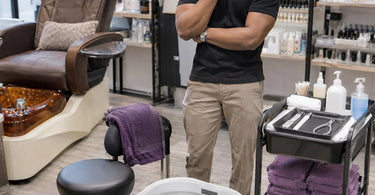
Your success starts with smart decisions... and sometimes those decisions involve saying goodbye to a giant pedicure throne that has occupied the same corner of your salon since approximately the invention of glitter polish. Traditional pedicure chairs and spas have long been fixtures in professional nail salons, but portable pedicure systems are giving owners another way to think about service space, equipment investments, and client comfort. Before you start wheeling out your existing chairs and celebrating all that newly discovered floor space, however, there are some important operational details worth examining. A portable setup can be a practical upgrade for the right business, but replacing traditional equipment without evaluating your services, sanitation requirements, and workflow can create expensive surprises.
The real question is not whether portable pedicure systems are better than traditional chairs. It is whether they are better for your salon, your technicians, and the clients who keep your appointment book full. From water management and ergonomics to equipment costs and service positioning, making the switch deserves more thought than simply comparing product photographs.
1. Understand What a Portable Pedicure System Actually Includes
Not every portable pedicure system is designed the same way. Some configurations use a lightweight, removable foot basin with a separate client chair and technician stool. Others incorporate rolling carts, adjustable footrests, portable soaking equipment, or compact furniture designed specifically for pedicure services.
Traditional pedicure chairs typically combine client seating, foot soaking, and sometimes massage or other comfort features into one integrated station. Certain models connect directly to plumbing, while others use alternative water systems. Portable configurations separate some or all of these functions into individual components.
That distinction matters because the word portable describes equipment mobility, not necessarily a complete replacement for everything a traditional chair provides.
Before comparing systems, identify the components your current services require:
- A stable and comfortable client chair.
- A basin suitable for professional pedicure soaking.
- Safe and convenient water filling and disposal.
- An adjustable footrest or appropriate leg support.
- Ergonomic seating for the nail technician.
- Accessible storage for implements and products.
- Appropriate electrical access if powered equipment is used.
- Surfaces and equipment compatible with required cleaning and disinfection procedures.
When shopping for portable pedicure systems, compare complete working configurations rather than evaluating the basin or chair in isolation. A beautiful portable bowl is wonderful, but it does not magically become an entire pedicure station just because it looks fabulous on a product page.
2. Evaluate Your Salon's Available Floor Space
One of the strongest arguments for portable pedicure equipment is the opportunity to use floor space more flexibly. Traditional pedicure chairs can occupy substantial space, particularly when you account for reclining clearance, plumbing access, technician seating, and client movement.
A portable configuration may allow a treatment area to serve different purposes throughout the day. Depending on your equipment and licensing requirements, the same room might support pedicures, manicures, or selected spa treatments without permanently dedicating the entire footprint to a single large chair.
However, smaller equipment does not automatically create a more efficient salon.
Measure the space needed during an actual appointment, including the technician's working position, foot basin, supply cart, client belongings, and safe walking paths. Consider what happens when the client needs to enter or exit the chair. The equipment might fit beautifully when nobody is using it, but service operations require considerably more room than a showroom photograph suggests.
Also evaluate where portable components will be stored between appointments. A rolling basin that permanently occupies the hallway is not really saving space. It is simply taking a scenic tour of the salon.
Compare your layout options alongside nail salon furniture and other professional equipment that could help organize a multipurpose treatment area.
3. Consider Client Comfort Before Making the Switch
Comfort is one of the biggest differences clients may notice when moving from a traditional pedicure throne to a portable setup.
Many traditional pedicure chairs feature cushioned seating, supportive armrests, adjustable positioning, and optional massage functions. These elements contribute to the overall service experience, particularly during longer appointments.
A portable system can still deliver an excellent professional pedicure, but the individual components must work together.
Evaluate seat height, back support, foot positioning, stability, and the client's ability to relax without holding an awkward posture. Pay particular attention to the distance between the chair and foot basin. A client should not need the flexibility of a professional gymnast to enjoy a basic pedicure.
Consider your existing clientele. A salon serving clients who primarily book quick polish changes may have different seating priorities than a luxury spa offering extended pedicure treatments with massage, exfoliation, and detailed nail care.
For clients with mobility limitations, assess how easily they can sit, stand, and position their feet. Check the equipment's published dimensions and weight capacity, and do not assume that a portable configuration is automatically more accessible. Where accessibility requirements apply, verify that the proposed setup and salon layout satisfy them.
Additional comfort products, including massage bolsters and professional support accessories, may be useful when appropriate for the specific chair and treatment.
4. Do Not Overlook Technician Ergonomics
A comfortable client is important, but so is the technician who may perform several pedicures every working day.
Traditional pedicure stations position the client, foot basin, and technician seating within a relatively predictable working arrangement. Portable setups introduce more variation in basin height, footrest placement, and available working space.
If the foot basin is positioned too low, technicians may spend excessive time bending forward. If the client chair is too high, reaching the feet can become awkward. Poorly positioned supply carts can add unnecessary twisting and repeated movements.
Before investing in multiple portable systems, have technicians perform realistic service simulations with the proposed configuration.
Pay attention to:
- Working height during trimming, filing, and polish application.
- Support for the client's feet during detailed nail services.
- The technician's ability to maintain a reasonably neutral back and shoulder position.
- Space for an adjustable technician stool.
- Access to products without repeated stretching or twisting.
- Effort required to move, fill, empty, and clean equipment.
An adjustable nail technician stool and appropriately designed footrest may be just as important as the portable basin itself.
The goal is not simply to make equipment smaller. It is to make the entire service easier to perform consistently without creating unnecessary physical strain.
5. Calculate the Full Cost of Replacing Your Equipment
Portable pedicure systems may require less initial capital than certain full-featured traditional spa chairs, but purchase price alone rarely tells the complete financial story.
Traditional stations can involve significant equipment costs, delivery expenses, installation, plumbing, electrical work, and ongoing maintenance. Portable setups may reduce some of these expenses, especially where permanent plumbing modifications are unnecessary.
However, a complete portable configuration may require several separate purchases, including client seating, foot basins, technician stools, footrests, carts, storage accessories, and potentially equipment for water transportation.
Build a comparison using the total cost of ownership rather than the advertised price of a single component.
Include the following categories:
- Equipment purchase price and delivery.
- Installation, removal, or renovation expenses.
- Professional electrical or plumbing work where required.
- Replacement basins, liners, and other consumables.
- Cleaning and disinfection products.
- Maintenance and replacement parts.
- Staff training and workflow adjustments.
- Storage requirements and floor-space implications.
- Expected service life and warranty coverage.
For example, imagine a salon comparing a $4,000 traditional station with a $1,500 portable configuration. The portable option appears to save $2,500 initially. But if the portable setup requires additional furniture, recurring disposable accessories, and more labor per appointment, the long-term difference may be smaller.
Those figures are hypothetical, not market prices or guaranteed savings. Use actual supplier quotes and your salon's operating costs when making the decision.
Explore available spa and salon equipment to compare the components required for each approach.
6. Understand Water Filling, Drainage, and Spill Management
Water handling is one of the most important practical considerations when changing pedicure equipment.
Traditional plumbed pedicure chairs can simplify filling and draining when properly installed. Portable basins may require technicians to transport clean water to the treatment area and move used water to an approved disposal location.
This creates additional workflow considerations that may not be obvious during equipment shopping.
Determine how much water the selected basin requires and how technicians will move it safely. A full basin can be surprisingly heavy, and repeated carrying creates opportunities for spills, fatigue, and accidents.
Evaluate whether equipment has suitable handles, rolling components, or manufacturer-approved drainage options. Never assume that a portable basin can safely be tilted, lifted, or emptied while connected to electrical equipment.
Used pedicure water must be disposed of in an appropriate location consistent with local plumbing, wastewater, and salon requirements. Do not assume that any nearby sink or drain is acceptable.
Look at floor surfaces as well. They should be compatible with wet-service operations, easy to clean, and maintained to reduce slipping hazards.
A portable configuration is especially appealing when it reduces permanent installation requirements without creating an inconvenient daily water-handling routine.
7. Compare Cleaning and Disinfection Requirements Carefully
One common misconception is that switching to a portable pedicure bowl eliminates sanitation responsibilities. It does not.
Professional foot basins require appropriate cleaning and disinfection between clients, regardless of whether the unit is permanently installed or portable. The specific procedure depends on equipment design, disinfectant labeling, manufacturer instructions, and applicable state or local requirements.
Noncirculating basins may have fewer internal components than whirlpool systems, potentially simplifying certain cleaning tasks. Circulating systems require attention to jets, screens, filters, and internal water pathways.
For reusable basins, the general process involves draining water, removing visible debris, washing the basin, rinsing, applying an appropriate EPA-registered disinfectant according to its label, observing the required contact time, and completing the specified rinse or drying steps.
Do not shorten the contact time simply because another appointment is waiting. The disinfectant must be used exactly as directed, and applicable state board requirements may impose additional procedures.
Disposable basin liners can help manage certain aspects of service preparation, but they do not automatically replace cleaning and disinfection requirements. Some jurisdictions specifically require basin disinfection even when liners are used.
When selecting professional cleaners and disinfectants, verify that the product is approved for the intended use and compatible with your equipment.
Also check whether your state requires equipment-cleaning logs, particular storage procedures, or additional sanitation measures for portable and nonwhirlpool basins.
A portable pedicure system should fit your established infection-control program, not become an excuse to improvise one.
8. Decide Whether You Need Hydrotherapy and Massage Features
Traditional pedicure spa chairs frequently offer features that go beyond soaking feet. Depending on the model, clients may enjoy chair massage, heated seating, adjustable positioning, or integrated water movement.
A simpler portable basin may not provide these features, although some portable systems offer selected powered functions.
Before removing traditional stations, review which features clients actually value.
If your menu includes premium spa pedicures, extended relaxation treatments, or services promoted around the experience of a massage chair, replacing that equipment could change how clients perceive the appointment.
On the other hand, if your salon specializes in efficient, meticulous nail care with minimal emphasis on hydrotherapy, a streamlined portable system may align perfectly with your service model.
Consider whether you can maintain the quality of your signature pedicure using professional pedicure supplies, nourishing cuticle oil, and selected sugar scrubs.
The objective is to preserve the services clients appreciate while removing equipment features that may no longer justify their cost or footprint.
9. Evaluate How Portable Systems Affect Service Timing
Salon efficiency depends on the entire appointment cycle, not just the minutes spent applying polish.
Traditional pedicure stations may keep equipment, water access, seating, and supplies concentrated in one location. Portable setups can introduce additional preparation and breakdown tasks.
Time how long it takes to assemble the portable station, fill the basin, seat the client, complete the service, empty the basin, clean and disinfect the equipment, and return components to storage.
Some activities may overlap with other parts of the appointment when permitted by your sanitation procedures and service design. Others require dedicated time and cannot be rushed.
Consider a hypothetical example in which a new setup adds five minutes to each completed appointment. At eight pedicures per day, that represents forty additional minutes of operational work across the salon.
Conversely, a well-designed portable system might reduce equipment-cleaning complexity or allow more flexible scheduling, potentially recovering time elsewhere.
The difference depends on the actual equipment and procedures, which is why a real-world trial is more useful than making assumptions.
Compare completed appointments per technician hour, preparation time, cleaning time, and client satisfaction before concluding that either system is more efficient.
10. Consider the Appearance and Positioning of Your Salon
Equipment communicates something about the experience clients can expect.
Traditional spa pedicure chairs often create a recognizable luxury salon atmosphere. A row of matching chairs can serve as a visual centerpiece and help establish a polished, coordinated interior.
Portable systems offer a different opportunity. Well-selected furniture, attractive removable basins, coordinated carts, and thoughtful storage can support a contemporary boutique aesthetic.
The key is intentional design.
A portable station should look like a professional service arrangement, not an assortment of equipment that happened to be available in the supply closet.
Coordinate furniture finishes, upholstery, basin materials, and storage accessories. Keep visible supplies organized and ensure cords or water-handling equipment do not dominate the treatment space.
Depending on your brand positioning, a compact station can communicate efficiency and personalization, while a traditional chair may better support an experience built around extended relaxation.
Review luxury spa furniture and professional nail salon furniture when creating a cohesive service area.
11. Check Durability, Materials, and Replacement Parts
Portable equipment is frequently moved, lifted, repositioned, and stored. That makes construction quality especially important.
Check the manufacturer's specifications for commercial suitability, weight capacity, dimensions, recommended cleaning products, and maintenance procedures.
Inspect the stability of stands, carts, wheels, and footrests. If a unit uses locking casters, verify that they function reliably. Basin materials should tolerate the cleaning and disinfection procedures required for your business.
Consider how easily individual components can be replaced. One potential advantage of a modular portable configuration is the ability to replace a damaged basin or stool without replacing an entire integrated chair.
However, availability varies by brand and model. Ask whether replacement components are sold separately and whether compatible parts are expected to remain available.
Compare warranty terms, exclusions, service support, and return policies. Professional equipment purchases deserve the same attention you would give any major business investment.
For existing equipment that remains in service, appropriate replacement parts for spa and salon equipment may also extend useful life when installed according to manufacturer requirements.
12. Confirm Regulatory, Electrical, and Accessibility Requirements
Portable does not mean exempt from professional salon regulations.
Before replacing permanently installed pedicure stations, check with the appropriate state cosmetology board, local building authority, and other relevant regulators. Requirements can vary by jurisdiction and may address facility sinks, water access, sanitation procedures, electrical safety, equipment placement, and salon layout.
If removing existing plumbing or electrical connections, use appropriately qualified professionals where required. Permanent changes may require permits or inspections.
Powered portable equipment should be evaluated for its intended environment, manufacturer-specified electrical requirements, and safe use around water. Avoid improvised electrical arrangements or cords routed through wet walking areas.
Accessibility also matters. Client seating, circulation paths, and service arrangements should be reviewed against applicable requirements rather than assuming that smaller or movable equipment automatically meets them.
For salons offering mobile or off-site services, verify that your license and local regulations permit those services before purchasing equipment specifically for that purpose.
Checking compliance early is much less expensive than purchasing several attractive new systems only to discover that the proposed arrangement cannot be used as planned.
13. Think About How Equipment Changes Affect Your Service Menu
Replacing traditional pedicure chairs can be an opportunity to reconsider your pedicure menu.
Start by reviewing which services depend on your current equipment. A traditional luxury pedicure with chair massage and extended soaking may need to be modified if the new configuration does not offer equivalent features.
However, other services may become easier to accommodate in a flexible treatment space.
For example, a multipurpose station might support express pedicures, classic nail maintenance, polish services, and selected foot treatments during different appointment blocks, provided the equipment, professional scope, and facility requirements allow those services.
Review your professional nail care products and determine which services produce the strongest combination of client demand, profitability, and repeat bookings.
Additional treatment options could include professional salt scrubs, moisturizing foot treatments, and finishing services using premium nail polish.
Do not remove popular features without considering the impact on pricing. A client who previously booked a premium massage-chair pedicure may reasonably expect a different price or service description if the experience changes substantially.
Clear service descriptions help protect trust and set expectations before clients arrive.
14. Compare Traditional, Portable, and Hybrid Configurations
There is no universal winner in the traditional-versus-portable pedicure debate. Different salon environments benefit from different arrangements.
Traditional pedicure chairs: Often suit businesses built around dedicated pedicure stations, high client comfort, integrated soaking, and premium relaxation features. They may require more floor space, infrastructure, and equipment investment.
Portable pedicure systems: May suit compact salons, flexible treatment rooms, selected express services, and businesses that want more modular equipment. They require careful planning for water handling, cleaning, seating, and technician workflow.
Hybrid arrangements: Combine traditional chairs with one or more portable stations. This approach allows owners to retain established premium services while testing flexible configurations or accommodating specific scheduling needs.
For many established salons, a hybrid approach offers a sensible way to evaluate portable equipment before committing to a complete conversion.
Instead of replacing every chair at once, trial a single portable station and compare performance against existing stations over a representative period.
Explore Continuum Pedicure, Belava, and pedicure bowls by Noel Asmar as starting points for researching different professional pedicure equipment categories. Compare individual product specifications rather than assuming that all products within a brand collection serve the same purpose.
15. Run a Practical Financial and Operational Trial
Before converting an entire salon, collect real information from a limited trial.
Choose a portable configuration that appears appropriate for your service menu and regulatory environment. Train technicians on setup, safe handling, cleaning, disinfection, and equipment storage.
Then evaluate the system using several measurable categories.
- Client satisfaction: Ask about seating, foot support, comfort, and the overall service experience.
- Technician feedback: Record concerns about working height, posture, reach, and setup effort.
- Service duration: Compare total appointment time, including preparation and sanitation.
- Labor requirements: Measure additional tasks associated with water transportation and equipment handling.
- Space efficiency: Determine whether the station actually creates usable floor space.
- Operating costs: Track recurring consumables, maintenance, and cleaning supplies.
- Revenue performance: Compare bookings, service prices, and completed appointments where reasonably comparable.
Run the trial across enough appointments to capture different technicians, service types, and client preferences. Avoid judging the system from one unusually busy Saturday or one appointment when everything happened to go perfectly.
If the pilot shows consistently favorable results, build a staged replacement plan. If it reveals significant challenges, adjust the configuration or retain traditional stations where they perform better.
16. Calculate the Break-Even Point Before Investing
A simple break-even calculation can clarify whether switching equipment makes financial sense.
Begin with the net initial investment: the price of new equipment plus associated installation, removal, training, and setup expenses, minus any realistic resale or trade-in proceeds from existing equipment.
Next, estimate the ongoing monthly financial difference between the proposed system and your current arrangement.
For example, imagine a salon makes a net investment of $3,000 in a portable configuration and expects a genuine net operating benefit of $150 per month after accounting for labor, supplies, and maintenance.
Under those assumptions, the simple payback period would be twenty months.
But if the equipment adds labor or reduces revenue enough to eliminate that monthly benefit, the investment may not pay for itself through operating savings.
Also consider the remaining useful life of existing chairs. Replacing equipment that is already fully functional has a different financial profile than replacing chairs facing costly repairs.
Include financing costs, downtime, depreciation, and potential resale value in a more complete investment assessment. A simple payback calculation is useful, but it is not a substitute for a full profitability analysis.
17. Prepare Your Team and Clients for the Transition
Even an excellent equipment change can cause frustration if the people using it are unprepared.
Introduce portable stations to your technicians before making them part of the regular appointment schedule. Let staff practice adjusting chairs, positioning footrests, filling basins, moving equipment, and completing cleaning procedures.
Create a standardized setup checklist so clients receive a consistent service regardless of which technician prepares the station.
Organize frequently used manicure essentials, nail files and buffers, and other professional supplies so technicians do not waste time hunting for equipment during appointments.
Communicate any meaningful changes to clients, especially if the new setup changes massage features, soaking arrangements, or service pricing.
Focus on what the updated service genuinely offers rather than claiming that portable equipment is automatically cleaner, more luxurious, or more advanced.
Clients appreciate consistency and clear expectations. They generally care far more about receiving a comfortable, beautifully performed pedicure than about the industry terminology attached to the equipment.
18. Use a Final Checklist Before Removing Traditional Chairs
Before approving a full replacement, ask these practical questions:
- Does the proposed portable system support every pedicure service we intend to offer?
- Have we tested client comfort and technician ergonomics?
- Do we have a safe, efficient process for filling and emptying basins?
- Can the equipment be cleaned and disinfected according to all applicable requirements?
- Will the system comply with our state and local salon regulations?
- Have we reviewed accessibility and electrical safety considerations?
- Does the layout provide adequate working and walking space?
- Have we included all required furniture and accessories in the purchase budget?
- Do we understand warranties, replacement parts, and maintenance needs?
- Have we calculated the realistic financial impact on service operations?
- Have technicians tested the complete setup with representative services?
- Would a hybrid arrangement be more practical than immediate full replacement?
If several answers remain uncertain, the smartest next step may be additional evaluation rather than placing a large equipment order.
Making the Right Pedicure Equipment Decision for Your Salon
Replacing traditional pedicure chairs with portable systems can be a valuable business decision when it improves flexibility, supports efficient services, and maintains the comfort and professionalism clients expect. But the benefits depend on choosing the right equipment and designing a workflow that fits your salon.
Traditional chairs still have clear advantages for dedicated pedicure environments, particularly when integrated seating and relaxation features are central to the client experience. Portable systems can offer appealing flexibility for smaller spaces and modular treatment areas, provided water handling, ergonomics, sanitation, and regulatory requirements are carefully addressed.
The best choice is not necessarily the biggest chair, the smallest basin, or the trendiest equipment configuration. It is the setup that supports your technicians, makes financial sense, and keeps clients excited to book their next appointment.
At Pure Spa Direct, we understand that professional salon equipment decisions involve far more than selecting attractive furniture. As a distributor of professional spa, salon, and beauty supplies, we offer access to equipment and product categories that help businesses compare options and plan their service environments. Explore our pedicure chairs and spas, browse portable pedicure bowls, and discover professional pedicure supplies as you develop the right approach for your salon.
Because the only thing better than a gorgeous pedicure station is a gorgeous pedicure station that actually works for your business. And if it helps keep the appointment book full without turning the supply closet into a furniture warehouse, even better!
