
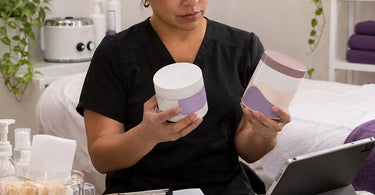
Stay ahead, stock this... and do not let a surprise packaging makeover send your entire treatment room into detective mode! You know the moment: your favorite professional skincare products arrive, but instead of the familiar bottles you have ordered for years, there is a completely different design staring back at you. The colors have changed, the logo has moved, and suddenly everyone is wondering whether the manufacturer sent the wrong product. Before you start composing a strongly worded email or questioning everything you know about your backbar, take a closer look. Manufacturers frequently update professional product packaging while keeping the formula inside exactly the same. Knowing how to manage these changes can prevent unnecessary purchasing mistakes, staff confusion, and awkward conversations with clients.
For busy spa owners, salon managers, estheticians, nail technicians, massage therapists, and beauty professionals, packaging changes are more than a cosmetic detail. They can affect inventory organization, product identification, treatment room efficiency, retail displays, and purchasing decisions. The good news? With a few practical procedures, you can handle manufacturer packaging updates without interrupting your services or creating unnecessary drama. Your products may have a new outfit, but your professional standards should remain beautifully consistent.
Why Do Manufacturers Change Packaging Without Changing the Formula?
Professional beauty manufacturers update packaging for several reasons, and a redesign does not automatically mean that the product has been reformulated. Sometimes a company wants its entire product collection to share a more consistent appearance. Other times, the manufacturer is introducing more efficient packaging materials, updating its branding, improving label readability, or changing its packaging suppliers.
Packaging changes may also involve sustainability initiatives, manufacturing efficiency, improved dispensing systems, or adjustments to transportation and storage requirements. A brand might replace a traditional bottle with a slimmer container, introduce a different cap, or redesign its labels to make product information easier to find.
For example, a manufacturer of professional massage oils, lotions, and creams might introduce updated bottles across an entire product line. Similarly, a manufacturer offering professional gel polish might refresh its bottle design to create a more recognizable appearance on salon shelves.
The important distinction is that packaging and formulation are separate elements of a product. A manufacturer can modify one without modifying the other. However, professionals should always verify the specifics rather than assume that a familiar product name guarantees an identical formula.
First, Confirm That the Formula Really Has Not Changed
When unfamiliar packaging arrives, your first step should be verification. A redesigned label is not proof of a formulation change, but it is not proof that everything inside remains identical either.
Begin by comparing the new container with the previous packaging. Check the product name, manufacturer, ingredient declaration when available, net contents, product identification numbers, and intended professional use.
Look for announcements from the manufacturer or confirmation from your professional supplier explaining the packaging transition. If you cannot establish whether the formula has remained unchanged, contact the manufacturer for clarification before making claims to clients or changing established treatment procedures.
Pay particular attention to products where ingredient accuracy and application instructions matter. These may include professional lash and brow tint, professional hair color, and specialized skincare treatments.
Compare current manufacturer instructions and warnings rather than relying solely on the previous packaging. Even if the formula remains identical, the manufacturer may have updated directions, labeling language, or handling recommendations.
A quick verification process now can prevent considerably larger problems later. Think of it as checking the guest list before inviting a mysterious new bottle into your treatment room.
Compare the Details That Actually Matter
Once you have established that the product is legitimate, examine the practical details of the packaging change. An identical formula does not necessarily mean that every aspect of the product experience remains unchanged.
Container size: Check the net quantity printed on the label. A redesigned container may look larger or smaller without containing a different amount of product. However, manufacturers sometimes introduce new sizes during packaging transitions. Always confirm rather than estimate by appearance.
Dispensing mechanism: A new pump, squeeze bottle, nozzle, or jar opening can affect how much product technicians dispense during a service.
Product identification: Compare manufacturer product codes, supplier item numbers, and barcode information. These identifiers may change even when the underlying formula remains the same.
Storage instructions: Confirm whether the manufacturer has provided updated information about storage conditions, container handling, or product protection.
Lot identification: Locate the batch or lot information on the new packaging and make sure staff can find it when necessary.
Expiration or shelf-life information: If the manufacturer provides expiration dates, period-after-opening guidance, or other shelf-life instructions, review them carefully.
These details are especially important when purchasing high-volume products such as professional waxing supplies, treatment creams, cleansing products, and other frequently replenished salon essentials.
Update Your Salon Inventory Records Before Confusion Begins
One of the biggest challenges created by manufacturer packaging changes is inventory inconsistency. If your salon uses a spreadsheet, inventory management software, or a purchasing checklist, the product may suddenly appear to be completely different from the item your team normally orders.
Start by updating your inventory records to reflect the manufacturer-approved packaging transition. Keep the original product identification information available for reference, especially if your purchasing records contain previous item numbers.
Record the new packaging description, current supplier item number, container size, and any relevant manufacturer documentation. If the barcode has changed, update your scanning system accordingly.
It can also help to include a photograph of the new packaging alongside your inventory listing. This gives employees a visual reference when receiving deliveries or locating products in storage.
If you manage multiple treatment rooms or several salon locations, distribute the updated information to everyone responsible for ordering and inventory control.
For operations that regularly purchase salon and spa business supplies, maintaining accurate purchasing records helps reduce duplicate orders, stocking mistakes, and unnecessary communication between staff members.
Manage Old and New Packaging During the Transition
There is a good chance your salon will temporarily have both packaging versions in stock. This is normal during manufacturer transitions, particularly when distributors are selling through existing inventory while receiving newly packaged merchandise.
Instead of immediately rearranging everything, create a clear system for identifying both versions.
Consider placing older and newer packaging next to each other in your storage area, with a simple internal note confirming that the manufacturer has identified them as equivalent products when that equivalence has been verified.
Continue following your existing stock rotation procedures, including first-expiring-first-out practices when applicable. Packaging appearance should not determine which container gets used first. Lot information, expiration guidance, opening dates, and product condition are more important.
Never assume an older package is unsuitable merely because a newer design has arrived. Likewise, do not assume newly packaged inventory is automatically fresher without checking the available production or shelf-life information.
If your business handles large quantities of bulk waxing products or frequently used treatment supplies, a consistent rotation system becomes even more valuable.
One important caution: never cover required manufacturer labeling, lot numbers, warnings, or ingredient information with homemade identification stickers. Internal shelf labels or inventory records are usually a much better way to communicate packaging changes.
Make Sure the New Packaging Works With Your Existing Equipment
A new bottle can create surprisingly practical challenges, even when its contents are unchanged. That sleek new container might look fabulous on a shelf but refuse to fit into the dispensing rack your team has used for the past five years. Beauty has its inconveniences.
Evaluate whether the redesigned packaging remains compatible with your existing treatment room setup.
For waxing professionals, check whether updated cartridges or containers are compatible with the appropriate professional wax warmers. Never assume that a new container fits or heats correctly simply because the product name remains familiar.
For massage therapists, test how new pumps or bottle shapes function with your current dispensing routines. For estheticians, consider whether revised jars or bottles fit treatment carts, storage trays, and sanitation procedures.
Staff should evaluate product dispensing using manufacturer-approved methods. Changes in bottle opening size or pump output can affect how much material is used per service, even if the formula itself is unchanged.
If a packaging redesign creates an equipment compatibility concern, verify the appropriate solution with the manufacturer before improvising modifications.
Train Your Team Before Someone Thinks You Switched Brands
Professional beauty teams rely heavily on visual recognition. A technician who has reached for the same blue bottle every morning may suddenly overlook the identical product sitting in a newly designed white bottle.
That is why a brief staff update can make a meaningful difference.
Show employees the previous and current packaging, explain what has been confirmed about the formula, and identify any practical differences in product handling.
For larger salons, consider creating a simple product update sheet with photographs, manufacturer information, and revised inventory identifiers. Keep it accessible near your supply storage area or within your digital staff reference materials.
Ask technicians to review new packaging before their next service involving the product. This is particularly helpful for products used in timed or multi-step treatments, such as lash lift and perm supplies, brow lamination supplies, and other specialized professional systems.
Staff should always follow current manufacturer instructions for processing times, application procedures, compatibility, and precautions. A familiar formula should never become an excuse to skip the label.
Even a five-minute team discussion can prevent product mix-ups and keep services running smoothly.
Explain Packaging Changes to Clients Without Creating Concern
Clients notice details, especially when they purchase products for home care or have been receiving the same professional treatment for years.
A client might recognize a familiar product name but become suspicious when the packaging looks completely different. She may wonder whether her esthetician switched to a less expensive product or whether her favorite formula has been discontinued.
Instead of waiting for questions to become concerns, prepare your team to explain the transition clearly.
If the manufacturer has verified that the formula is unchanged, a simple explanation works beautifully: the manufacturer refreshed the packaging, but the product formula remains the same.
Avoid making unsupported promises about performance, ingredients, or safety. If the manufacturer has not confirmed a particular detail, employees should not present it as established fact.
For products displayed in retail areas, consider using a small shelf notice explaining that customers may receive either the previous or updated packaging while existing inventory transitions.
This approach is especially helpful for businesses offering professional spa retail products that clients purchase repeatedly.
Clear communication reinforces trust. It also prevents your reception team from having to explain the same packaging mystery fourteen times before lunch.
Review Retail Displays and Product Photography
When manufacturers redesign retail packaging, salons and spas may need to refresh their merchandising materials.
Begin by checking whether your retail shelves still display promotional photographs showing outdated containers. Update product images in your online store, booking-related retail pages, printed materials, and customer-facing product guides when current manufacturer-approved imagery is available.
If you sell products through social media, use updated packaging photographs so clients recognize the items they receive.
Remember that older and newer packaging may coexist during the transition. Your product descriptions should accurately explain this possibility when appropriate.
For spas carrying professional skincare collections, consistent retail presentation can make the updated packaging feel like a natural brand refresh instead of an unexpected substitution.
Maintain clear pricing and product identification across your displays. If the product size changes, review your retail price and unit economics rather than assuming the previous pricing structure still makes sense.
Check Whether the Packaging Change Affects Your Cost Per Service
Even when manufacturers leave formulas unchanged, packaging adjustments may influence how efficiently products are used.
For example, a different pump might dispense a larger amount of lotion with each press. A wider container opening might encourage technicians to use more product than necessary. A new applicator system might change how materials are measured or transferred.
Evaluate product usage with the new packaging while following the manufacturer's directions and your established hygiene procedures.
For high-volume services, small changes in dispensing can add up over hundreds of appointments.
If your salon performs a large number of waxing services, review usage patterns for professional hard wax and soft strip wax when packaging or dispensing formats change.
Massage businesses should monitor how updated containers affect the use of professional lotions and oils. Nail salons can apply the same principle to commonly used products such as cuticle oil and other manicure essentials.
Calculate your approximate cost per service using the actual amount dispensed and the current purchase cost. This gives you a more useful financial picture than judging the new packaging by appearance alone.
The goal is not to reduce product below the quantity needed for an effective professional service. It is to understand whether the new container has changed your normal usage and purchasing requirements.
Know When a Packaging Change Deserves Extra Investigation
Most verified manufacturer packaging updates are routine, but certain differences deserve additional attention.
Investigate if the product arrives with an unexpected ingredient list, missing required labeling, unusual odor, noticeably different consistency, damaged seals, or unclear batch identification.
Similarly, if the container size or product identification conflicts with the information supplied when you ordered it, contact your distributor for clarification.
If the product appears compromised, do not use it on clients while the concern remains unresolved.
For products with specific safety, sanitation, or regulatory requirements, follow the applicable manufacturer guidance and professional standards. Not all beauty products are regulated in exactly the same way, and products with drug-related claims or functions can carry additional labeling obligations.
A redesigned label should never be used as a reason to overlook warnings or established safety procedures.
Professional judgment matters. If something about a product seems genuinely inconsistent with the manufacturer's documentation, investigate before proceeding.
Work With Your Professional Supplier During Packaging Transitions
Reliable communication with your professional beauty supplier can make packaging updates substantially easier to manage.
Pure Spa Direct serves as a distributor of professional beauty, spa, salon, massage, nail, waxing, and related supplies. Manufacturers determine their product formulations and packaging, while distributors help professionals source the products needed for daily operations.
When a familiar item arrives in updated packaging, provide the product name, order details, and any relevant identification information when requesting clarification. Photographs of the previous and new packaging may also help explain the difference.
If the manufacturer has issued an official packaging update, that information may help determine whether the item represents a legitimate transition or whether further investigation is necessary.
For professionals ordering supplies across multiple service categories, browsing organized collections such as Spa Essentials for Professionals, Professional Nail Care Collections, and Lash & Brow Service Supplies can help streamline purchasing.
Maintaining accurate product information and communicating promptly about unexpected differences can reduce confusion for everyone involved.
Create a Simple Packaging Change Checklist for Your Business
The easiest way to manage future manufacturer updates is to establish a repeatable process before the next redesigned container arrives.
Step 1: Compare the new product name, size, manufacturer, and identifying information with your previous inventory.
Step 2: Verify any manufacturer statements about the formula and review current ingredient information, warnings, and instructions.
Step 3: Check container compatibility with dispensing equipment, storage areas, and approved service procedures.
Step 4: Update purchasing records, item numbers, barcode information, and product photographs where necessary.
Step 5: Organize older and newer packaging so staff can identify both versions and follow appropriate stock rotation practices.
Step 6: Inform technicians, reception staff, and inventory managers about the confirmed changes.
Step 7: Update client-facing retail displays and prepare a simple explanation for customers who notice the new look.
Step 8: Monitor dispensing amounts, product usage, and purchasing costs for any operational differences.
This checklist works for everything from professional skincare bottles and massage lotions to hair care products, nail supplies, and waxing materials.
More importantly, it creates consistency. Instead of treating every packaging redesign like a surprise emergency, your team knows exactly what to do.
A New Look Does Not Have to Mean a New Problem
Manufacturer packaging changes are a normal part of the professional beauty industry. Branding evolves, containers change, and product lines receive visual updates. Sometimes the formula stays exactly the same while everything around it looks completely different.
For spa and salon professionals, the smartest response is neither panic nor blind acceptance. Verify the manufacturer's information, review practical packaging differences, update your inventory records, and communicate clearly with your team and clients.
Whether you operate a boutique facial studio, a busy waxing salon, a full-service spa, a nail salon, or a massage practice, thoughtful product management keeps your services consistent and your purchasing decisions informed.
Explore the wide selection of professional salon and spa supplies available through Pure Spa Direct to support your treatment room, retail area, and daily business operations.
And the next time your favorite professional product shows up wearing a completely different label? Give it a proper introduction, verify the details, and get back to doing what you do best. After all, a packaging makeover should be the least dramatic part of your salon day!
