
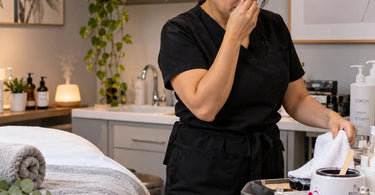
Success is in the details... and sometimes those details are floating around in the air. Your spa opens at 9 a.m. smelling like lavender, eucalyptus, and the expensive relaxation experience your clients are paying for. By lunchtime, however, that beautiful scent has somehow transformed into a mysterious combination of damp towels, warm massage oil, disinfectant, and something suspicious coming from the laundry room. If you have ever wondered why a spa can smell great at opening and strange by midday, you are definitely not alone. The good news? Most everyday spa odor problems have identifiable causes, and many can be corrected with better cleaning routines, ventilation, and smarter handling of professional supplies.
A pleasant spa environment involves much more than choosing a beautiful fragrance. Every treatment, product, towel, client, and piece of equipment contributes to the atmosphere throughout the day. Understanding how those elements interact can help spa owners and managers keep their treatment rooms welcoming from the first appointment to the last.
Why Does a Spa Smell Different as the Day Goes On?
At opening, your spa has probably enjoyed several hours without clients, active treatments, or constant movement between rooms. Cleaning products have had time to dry, laundry has been put away, and the air may have been circulating without the additional moisture and odors generated by daily services.
Then the appointments begin.
Massage therapists warm oils and lotions. Estheticians operate steamers. Waxing professionals heat their products. Towels accumulate, clients use restrooms, and employees open bottles of everything from cleansers to disinfectants.
Each activity introduces new odors or moisture into the building. When ventilation cannot adequately remove these additions, the combined smell can become increasingly noticeable.
Even pleasant scents can become unpleasant when layered together. Lavender mixed with citrus might be lovely. Lavender mixed with several fragrances, hot wax, damp fabric, and a heavily scented cleaning solution? That is a fragrance experiment nobody volunteered to participate in.
1. Your Morning Aromatherapy Is Competing With Everything Else
Many spas rely on essential oils or fragrance diffusers to establish a recognizable atmosphere. A carefully selected scent can complement the business identity and help create a pleasant first impression.
However, fragrance does not eliminate the sources of unwanted odors. It simply adds another scent to the environment.
Consider what happens when a diffuser continues operating while several treatment rooms introduce their own scented products. By midday, clients may encounter multiple competing fragrances instead of the subtle signature aroma you intended.
A better strategy begins with choosing a restrained fragrance program and paying attention to the natural odors of the services being performed.
Explore professional Aromatherapy Supplies to find products suited to controlled scent applications in professional wellness environments.
When using essential oil diffusers, follow the equipment manufacturer's cleaning, filling, and operating instructions. Use only compatible oils or solutions, and consider fragrance-free areas for clients or employees who are sensitive to scents.
Professional tip: If your spa suddenly smells unpleasant, resist the temptation to add three more drops of peppermint and declare victory. Investigate the odor before attempting to cover it.
2. Damp Towels Can Become the Unofficial Spa Fragrance
Few items work harder in a spa than towels. They are used for facials, massages, body treatments, waxing services, and countless other appointments.
Unfortunately, damp towels are also common contributors to unpleasant odors.
Warmth, moisture, body oils, and residual skincare products can create conditions where microorganisms grow if used linens are left sitting for extended periods. A hamper that seemed harmless during the first appointment can become noticeably musty by afternoon.
Problems become more likely when employees place wet towels into tightly packed containers, leave used linens in treatment rooms, or store supposedly clean towels before they have dried completely.
To reduce towel-related odors:
- Remove used towels promptly between appointments.
- Keep soiled linens separate from clean inventory.
- Use designated containers appropriate for collecting used laundry.
- Avoid allowing damp towels to accumulate unnecessarily.
- Follow fabric care instructions and applicable laundry sanitation requirements.
- Dry towels thoroughly before folding or storing them.
- Inspect clean linens for lingering odors before returning them to treatment rooms.
Quality High-Quality Towels and dependable Salon & Spa Bedding make it easier to maintain adequate inventory while used linens move through the laundry process.
And remember, a towel that smells questionable after washing is not ready for another client simply because it looks fluffy.
3. Warm Massage Oils and Lotions Can Change the Room's Scent
Massage rooms often smell beautiful before the first service. As the day progresses, however, the scent may become heavier or less pleasant.
One possible reason is the accumulation of product residue.
Massage oils and lotions transfer onto sheets, face cradle covers, towels, dispensers, and frequently touched surfaces. If residue is not properly removed, odors can persist even after routine tidying.
Some oils may also develop unpleasant odors over time due to oxidation, improper storage, contamination, or use beyond their recommended shelf life.
Heat can make certain product aromas more noticeable, which is especially relevant in rooms using warming equipment.
Professionals should inspect their Massage Oils, Lotions, and Creams for Therapists regularly and follow the manufacturer's storage and use directions.
Keep containers closed when not in use, avoid contaminating bulk supplies, and clean dispensing equipment according to its instructions.
It is also important to clean massage tables, accessories, and reusable surfaces using products compatible with their materials.
A massage room should smell inviting because it is clean and properly maintained, not because yesterday's body oil has become a permanent part of the upholstery.
4. Your Towel Steamer May Be Contributing More Than Warm Towels
Warm towels can make facials, massages, and body treatments feel especially luxurious. But moisture-producing equipment requires consistent maintenance.
A Towel Steamer that is not cleaned, emptied, dried, or maintained according to its manufacturer's directions may develop unpleasant odors.
Depending on the equipment design, residual moisture, deposits, and neglected water-contact surfaces can contribute to problems.
Establish a clear routine for cleaning and maintaining warm-towel equipment. Follow manufacturer instructions for water quality, filling, draining, descaling when applicable, and safe handling.
Do not assume that heat automatically makes a towel or piece of equipment sanitary. Warm-towel equipment should not be treated as a substitute for proper laundering or required disinfection procedures unless its specific intended use and validated instructions support that purpose.
Also inspect where warm towels are stored after preparation. Leaving damp towels sitting in unsuitable conditions can undermine even the best laundry routine.
5. Wax Warmers Have Their Own Distinctive Aroma
Professional waxing services introduce another source of scent into the spa.
Hard wax, soft wax, pre-wax cleansers, post-wax oils, and other treatment products may each have a noticeable fragrance. As warmers operate and services continue, those scents can become more prominent.
Residual wax and spilled products around equipment can add to the problem.
Inspect your Professional Wax Warmers for Salons & Spas and keep exterior surfaces clean according to manufacturer instructions. Follow the temperature guidance for the specific wax and warmer being used, and avoid overheating products.
Keep surrounding countertops free of sticky residue and dispose of used materials promptly.
Professional Waxing Accessories & Removers for Professional Use can support appropriate cleanup routines when selected for the surfaces and materials involved.
If a wax warmer develops an unusual burning smell, stop using it and investigate rather than assuming the fragrance is simply part of the service.
Burnt wax is not a new aromatherapy category, no matter how creatively someone describes it on the treatment menu.
6. Cleaning Products Can Create an Unpleasant Scent Combination
A professionally cleaned spa should feel fresh and reassuring. However, strong cleaning-product fragrances can create their own problems when used alongside essential oils, scented skincare, and other products.
The answer is not to clean less. It is to clean correctly while controlling unnecessary fragrance buildup.
Use appropriate Professional Cleaners & Disinfectants for Salons and Spas and follow the exact product label directions for dilution, application, required contact time, ventilation, and surface compatibility.
Never mix disinfectants or cleaning chemicals unless the manufacturer explicitly directs it. Combining certain cleaning products can release dangerous gases.
Where appropriate and compatible with sanitation requirements, consider lower-fragrance options to reduce the number of competing scents in the business.
Staff should also understand the difference between cleaning and disinfecting. Removing visible soil and product residue is important, while disinfection requires an approved product used correctly for the required contact time.
Air freshener should never be considered a substitute for either procedure.
7. HVAC and Ventilation Problems Become More Noticeable During Busy Hours
If the spa smells wonderful before clients arrive but increasingly stale after several appointments, ventilation deserves attention.
Indoor air quality depends partly on how effectively a building removes pollutants and introduces appropriate amounts of outdoor air.
An air conditioning system that cools a room is not necessarily providing adequate fresh-air ventilation. Some systems primarily recirculate indoor air.
During busy periods, moisture, fragrances, cleaning-product vapors, and service-related odors may accumulate if they are not adequately removed.
Potential warning signs include:
- Rooms that feel stuffy despite comfortable temperatures.
- Odors that linger long after treatments end.
- Noticeably stronger smells near specific equipment or vents.
- Excessive indoor humidity or condensation.
- Persistent odors in restrooms, storage areas, or laundry spaces.
Have qualified building or HVAC professionals evaluate airflow, outdoor-air supply, exhaust performance, filter maintenance, and humidity control as needed.
Specialized services, particularly those involving chemicals or significant vapor generation, may require appropriate local exhaust ventilation. Air purifiers can supplement an air-quality program but should not be relied upon to replace source control or required ventilation.
Do not block ventilation grilles with furniture, product displays, or storage containers.
That beautiful shelving unit is considerably less helpful when it is preventing the room from breathing.
8. Humidity Can Turn a Pleasant Spa Into a Musty One
Humidity is an important part of the spa odor equation.
Facial steamers, showers, wet towels, hydrotherapy services, and damp cleaning supplies all introduce moisture into the environment.
When moisture is not controlled, the resulting conditions can encourage microbial growth and musty odors, especially around porous materials or hidden leaks.
Indoor relative humidity is generally best maintained around 30% to 50%, with sustained levels above 60% warranting attention.
Use a reliable digital hygrometer to monitor conditions in problem areas, particularly treatment rooms, laundry rooms, and storage spaces.
Remember that equipment such as Facial Steamers should be operated and maintained according to manufacturer instructions.
Address leaks, condensation, and standing water promptly. If an odor suggests hidden moisture damage or mold, arrange an appropriate professional inspection rather than attempting to hide the problem with fragrance.
9. The Laundry Room May Be Sending Odors Throughout the Spa
Even when treatment rooms are spotless, an overloaded laundry area can affect the atmosphere of the entire business.
Used sheets, damp towels, laundry detergents, dryer products, and warm equipment all contribute to the room's scent.
If the laundry area opens directly into a hallway or treatment zone, odors may travel whenever staff members enter and exit.
Review how laundry is collected, stored, washed, dried, and moved through the building.
Keep clean and used linens separate, maintain laundry equipment, clean lint traps as directed, and ensure that dryers and exhaust systems are installed and maintained correctly.
Pay particular attention to front-loading washing machines, seals, detergent compartments, and other areas identified in the manufacturer's cleaning instructions.
Persistent mustiness around the washer may indicate that equipment needs cleaning or that moisture is accumulating somewhere it should not.
A practical laundry workflow can make a surprisingly large difference in how the rest of the spa smells.
10. Restrooms, Trash Containers, and Drains Are Easy to Overlook
Not every unpleasant smell originates in a treatment room.
Restrooms, trash containers, floor drains, sinks, and utility closets can produce odors that spread into client-facing areas.
During busy periods, these spaces may receive more use than they did during the morning cleaning routine.
Establish midday checks for restrooms and waste collection areas. Empty trash before containers become overloaded, clean bins as appropriate, and inspect sinks and drains for persistent odors.
A dry plumbing trap, drainage issue, or plumbing leak can sometimes contribute to unusual smells. Persistent sewer-like odors should be evaluated by a qualified plumbing professional.
Keep waste and potentially contaminated service materials in designated containers and follow applicable disposal requirements.
A spa may have the prettiest reception area in town, but one neglected restroom can completely change a client's impression.
11. Product Storage Can Create Hidden Odor Problems
Every spa has at least one storage area where the shelves are organized beautifully in theory and somewhat creatively in practice.
Opened bottles, aging products, leaking containers, fragrance concentrates, and improperly stored supplies can generate odors that become noticeable as staff repeatedly open storage cabinets.
Inspect the products kept in treatment rooms and supply areas.
Look for leaking containers, damaged packaging, expired products, visible contamination, or formulas that have changed color, texture, or smell.
Professional Bottles & Jars can help organize supplies, provided the containers are compatible with their contents and are labeled appropriately.
Store chemicals and treatment products according to their individual requirements. Avoid transferring products into unlabeled containers or combining different formulas to save space.
Implement a first-in, first-out inventory system where appropriate and check manufacturer guidance regarding shelf life after opening.
Better storage practices support product quality while reducing the chance that an overlooked container becomes the source of your mysterious afternoon aroma.
12. Staff Members Can Become Used to Odors That Clients Immediately Notice
One particularly tricky aspect of spa odor control is olfactory adaptation.
After prolonged exposure to a smell, people often become less aware of it. This means employees who spend hours in the same environment may stop noticing odors that are immediately apparent to someone entering from outside.
That is why asking the person who has been standing beside the diffuser all morning whether the lobby smells too strong might not produce a particularly useful answer.
Create a simple process for gathering fresh observations.
Ask a manager returning from outside to assess the reception area, hallway, and treatment rooms. Encourage employees to report unusual smells rather than assuming someone else has already noticed them.
If appropriate, request feedback from clients about whether the fragrance level feels comfortable.
Remember that not every client enjoys strong scents. Some may experience headaches, respiratory irritation, or discomfort around fragranced products.
A spa atmosphere should feel welcoming, not like an essential oil convention taking place inside an elevator.
How to Create a Midday Spa Odor Control Checklist
The most practical solution is often a repeatable routine rather than a major equipment purchase.
A midday odor control checklist gives staff a clear process for catching problems while they are still manageable.
Reception and common areas:
- Check whether the signature fragrance is overpowering or competing with other odors.
- Look for trash, spilled beverages, or damp entry mats.
- Assess whether the air feels stale or unusually humid.
- Check restrooms and nearby corridors.
Treatment rooms:
- Remove used linens and disposable materials between appointments.
- Clean and disinfect applicable surfaces according to established procedures.
- Inspect massage oil dispensers and wax warmer exteriors for residue.
- Check moisture-producing equipment for proper operation.
- Report unusual or persistent odors.
Laundry and utility areas:
- Move damp used towels through the appropriate laundry workflow promptly.
- Keep clean linens completely dry and properly stored.
- Inspect trash containers and utility sinks.
- Check for water leaks, condensation, or unusually damp surfaces.
- Confirm that exhaust and ventilation systems are functioning as intended.
Product stations:
- Close product bottles securely.
- Clean spills and residue using compatible products.
- Remove empty packaging and used disposables.
- Check for damaged or leaking containers.
- Avoid adding unnecessary fragrance to conceal unexplained odors.
Assign responsibility for these checks rather than assuming someone will handle them between appointments. A checklist that belongs to everyone can quickly become a checklist completed by no one.
How to Identify the Source of a Strange Spa Smell
If the same odor appears every afternoon, begin documenting where and when it occurs.
Note whether the smell is strongest near the waxing station, laundry room, bathroom, reception area, or HVAC vents.
Also record which services were being performed before the odor appeared.
For example, a smell that develops after multiple hot-towel treatments suggests a different investigation than one that appears whenever the air conditioning turns on.
Use this straightforward troubleshooting approach:
- Locate the odor: Identify the area where it is most noticeable without deliberately inhaling potentially hazardous fumes.
- Review recent activities: Consider the products, treatments, cleaning procedures, and equipment used.
- Inspect ordinary sources: Check waste containers, damp linens, drains, spills, and storage areas when safe.
- Review ventilation: Determine whether the odor worsens when air circulation or exhaust systems are operating differently.
- Correct the actual cause: Follow applicable cleaning, maintenance, product handling, and equipment servicing procedures.
- Document recurring problems: Record patterns and arrange professional inspection when the source remains unclear.
If staff notice strong chemical fumes, burning electrical odors, gas-like smells, or symptoms such as dizziness or breathing difficulty, treat the situation as a potential safety concern. Stop the relevant activity if safe, move people away from the affected area, and seek appropriate emergency or qualified professional assistance. Do not attempt to mask or personally investigate a potentially dangerous atmosphere.
Choosing Spa Supplies That Support a Fresher Environment
The right professional supplies can make odor prevention easier, but they work best as part of a consistent operating system.
Rather than purchasing increasingly powerful room fragrances, look at the supplies that support cleanliness, storage, and controlled product use.
Useful categories include Professional Cleaners & Disinfectants for approved cleaning and disinfection procedures, High-Quality Towels for maintaining sufficient clean linen inventory, and Aromatherapy Supplies for appropriate fragrance applications.
Spas can also explore Spa Essentials for Professionals for everyday treatment room needs and Professional Massage & Wellness Products for service-specific supplies.
Pure Spa Direct supplies professional spa, salon, massage, waxing, and beauty products from a wide selection of manufacturers. The goal is to help professionals find supplies that fit their services and business operations, not to suggest that one scented product can solve every air-quality problem.
Frequently Asked Questions About Spa Odors
Why does my spa smell musty by lunchtime?
Common possibilities include damp towels, excessive humidity, wet equipment, laundry storage problems, poor ventilation, or hidden moisture. Investigate where the odor originates instead of automatically increasing room fragrance.
Can essential oil diffusers make a spa smell worse?
Yes. Multiple fragrances can overlap and become overwhelming, especially when combined with treatment products or cleaning chemicals. Some fragrances can also irritate sensitive individuals. Use diffusers according to manufacturer instructions and avoid relying on them to mask odors.
Why does my massage room smell like old oil?
Residue on linens, table surfaces, accessories, or dispensing equipment may be responsible. Oils that have deteriorated or been stored improperly can also develop unpleasant odors. Inspect products and follow appropriate cleaning and storage practices.
Does air conditioning remove spa odors?
Not necessarily. Some HVAC systems recirculate air without providing adequate outdoor ventilation. Effective odor management may require source removal, proper exhaust, moisture control, and professional evaluation of the ventilation system.
How often should staff check for unpleasant smells?
Staff should remain attentive throughout the day. A structured opening inspection, checks between services, a midday walkthrough, and closing procedures can help identify recurring problems before they affect clients.
Should every spa use a signature scent?
No. A subtle signature scent may complement some businesses, but fragrance-free or low-fragrance environments may be more appropriate for certain clients, treatments, or wellness concepts. Clean air and client comfort are more important than maintaining a noticeable fragrance.
Keep the Relaxing Atmosphere From Opening Until Closing
A spa should not need a complete fragrance makeover every time the clock strikes noon.
When unpleasant odors develop throughout the day, they often reveal ordinary operational issues: damp linens, product residue, moisture, poor ventilation, overlooked waste, or too many fragrances competing for attention.
The solution begins with understanding what changes between the peaceful opening routine and the busiest service hours.
By improving linen handling, equipment maintenance, cleaning practices, product storage, and ventilation, spa professionals can create an environment that remains comfortable and welcoming throughout the workday.
For supplies that support professional spa operations, explore the selection at Pure Spa Direct Spa Essentials, along with professional cleaning products, towels, aromatherapy supplies, and treatment room accessories.
Because your clients should leave remembering their beautiful facial, relaxing massage, or wonderful wax specialist... not wondering whether someone accidentally created eucalyptus-scented laundry soup behind the reception desk.
