
Make every effort count when it comes to the details that shape your clients' perception. In the world of beauty and wellness, we often obsess over the latest techniques, the trendiest products, and the most cutting-edge equipment. We invest hours in perfecting our craft, from the perfect balayage to the most relaxing massage stroke. Yet, sometimes the smallest, most overlooked details can be the very things that determine whether a client returns or never walks through your door again. We're talking about the unspoken language of cleanliness, and specifically, the surprisingly powerful message sent by something as simple as a salon or barber cape.
Let's be honest, we've all been there. You're in the zone, back-to-back appointments, the energy is high, and you finish a service. In a split second decision to save time, you whip the cape off one client and, with a flick of the wrist, place it onto the next. It looks clean, right? Maybe a stray hair or two, but nothing a quick shake won't fix. It's just a cape. But here's the thing: your client doesn't know that, and their brain is already writing a review you can't see. This seemingly insignificant act speaks volumes about your professionalism, your attention to detail, and, most importantly, how much you value their health and comfort. The immediate transference of a used garment sends a subconscious signal that hygiene is not your top priority, instantly eroding the trust you've worked so hard to build.
The Sensory Experience: What Your Client Sees, Smells, and Feels
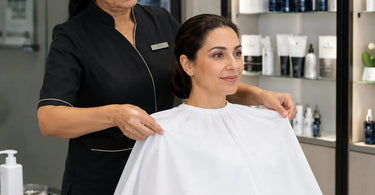
Think about the client experience from the moment they sit in your chair. They are in a vulnerable position, trusting you with their appearance and well-being. Their senses are on high alert. A fresh, crisp cape that smells faintly of clean linen is a sensory hug. It says, "You are my priority. I have prepared for you, and this is your moment of pampering." It sets the stage for relaxation and confidence. Conversely, a cape that looks dull, has a lingering scent of the previous client's perfume or hairspray, or worse, is visibly stained, triggers a completely different response: anxiety.
Our research shows that cleanliness isn't just about being germ-free; it is about being perceived as clean and organized . Clients connect a spotless environment with a professional who respects their personal space . When you use a dirty or reused cape, you're inadvertently communicating that you cut corners. If you're willing to skip this basic step of sanitation, what else are you skipping? Are the tools truly sterile? Are the surfaces properly disinfected? This cascade of doubts is the enemy of client retention. People might not say it out loud, but their brains are making a judgement call: "If it looks dirty, it probably is."
The Invisible Enemy: Germs, Bacteria, and the "Eww" Factor
Beyond the ick factor, there's a serious health and safety component to cape cleanliness. We use capes to protect our clients and our workstations, but if not properly laundered, they become a vector for cross-contamination. Hair clippings, skin cells, and product residues cling to the fabric. This isn't just unsightly; it's a bacterial playground .
Many professionals, especially in high-volume shops, argue that using a neck strip makes it okay to reuse a cape. But the reality is that capes touch more than just the neck. They drape over the client's shoulders and often brush against their arms, and even their face. Any bacteria present from the previous service can easily transfer to the next client. This is particularly crucial for our clients with sensitive skin, allergies, or those who are immunocompromised. We have a duty of care, and that includes ensuring every piece of fabric that touches a client is fresh and sanitized. The goal is to deliver a service that feels luxurious and safe, not one that leaves a client worrying about what they might have been exposed to.
Professionalism in the Details: Beyond the Cut and Color
In the service industry, we are selling an experience, not just a haircut or a wax. The small habits that you and your team practice daily define the luxury or quality of that experience . Investing in a sufficient quantity of high-quality capes and implementing a strict "one client, one fresh cape" policy is a non-negotiable standard for a reason. It showcases that you are organized, prepared, and have respect for your clientele .
You wouldn't dream of using the same comb on two clients without sanitizing it. You'd never think about reusing a wax spatula. So why would you drape the same fabric across multiple bodies in a single day? It just doesn't add up. By treating capes with the same importance as your other tools, you raise the bar for your entire business. It signals to your staff and your clients that you are serious about your craft and your standards. This level of care is what separates a good salon or spa from an extraordinary one.
The Solution: Stock Up, Sanitize, and Succeed
So, how do we avoid the cape catastrophe and turn this into a strength? It starts with having the right supplies on hand. Don't let a lack of inventory be the reason you compromise on hygiene.
- Invest in Quality and Quantity: You need enough Salon Capes and Barber Capes to get through a busy day without running out. For barbershops, capes are essential, and investing in high-quality options from brands like Fromm International, Framar, and Wahl ensures they can withstand frequent washing. Consider durable options like those from Spa Masters or Prosana for longevity.
- Establish a Strict Laundering Routine: This is just as important as having the capes. Use a high-quality, gentle detergent and wash in cold or lukewarm water to preserve the fabric. Air drying is best to prevent shrinkage and wear. Avoid harsh bleach, which can break down fibers and cause yellowing . And remember, a fresh cape is just one part of the equation. Don't forget the Professional Cotton, Sponges, and Wipes and High-Quality Towels that also need regular changing.
- Utilize Protective Accessories: Using clean, protective Neck Strips for each client adds an extra layer of hygiene, keeping the cape fabric from coming into direct contact with the skin . These are a small, inexpensive addition that makes a huge difference.
By building these habits, you're not just following regulations; you're building a brand of trust. When a client sees you reach for a new, crisp cape and carefully place it around them, they feel valued. They know you are a professional who cares about more than just the service you perform. That feeling of being cared for is what earns their loyalty, encourages referrals, and ultimately drives your business success.
So, the next time you reach for a cape, remember that it's not just a piece of fabric. It's a powerful symbol of your commitment to your client's well-being and a key ingredient in the recipe for a thriving business. Let's make every client feel confident, comfortable, and completely cared for from the moment they sit down.
