
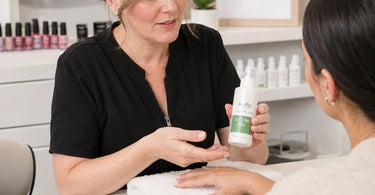
Maximize profits with this one simple secret: manage your client's sensory expectations. Let's be real, nothing throws a client off their relaxation game quite like a surprise sensation. Imagine this: you are mid-way through a luxurious facial, applying a beautiful, silky serum, and your client suddenly scrunches up their nose like they just bit into a lemon. You forgot to mention the cooling mask was going to feel like a winter breeze on their face. Or worse, you are in the zone, applying a warm wax, and they yelp because they weren't prepared for the gentle heat. As spa, salon, and waxing professionals, we are not just applying products; we are curating an experience. And a huge part of that experience is the sensory journey. When we take a moment to explain that a product may feel warm, cool, or tingly, we are not just giving a warning—we are building trust, managing expectations, and actually making the treatment feel better. Think of yourself as the narrator of a feel-good movie for their skin, and you are about to tell them the best scene is coming up.
So, why is this little heads-up so crucial? Because it transforms a potentially jarring moment into a delightful part of the service. When a client knows to expect a cooling sensation from a post-wax lotion or a warming tingle from a muscle relief cream, they can relax into it. They are not bracing for the unexpected; they are anticipating a pleasant feeling. This is the difference between a client who thinks, 'Whoa, that was weird,' and one who thinks, 'Ahhh, that feels incredible.' And let us be honest, which client do you want leaving your chair? The one who is going to book their next appointment immediately and rave about the experience on social media, or the one who is still mentally recovering from the mystery sensation on their elbow?
The Science of Sensation: Why We Feel Warm, Cool, and Tingly
Before we dive into the how-to, let's get a little nerdy about the 'why.' Understanding the science behind these sensations can actually make you a better service provider. When a product creates a warming sensation, it is often due to ingredients that stimulate the nerve endings that respond to heat. Think of it as a gentle, internal hug for the skin. This is why warming products are fantastic for massage and muscle relief; they help to soothe tension and promote circulation. On the other hand, cooling sensations are typically derived from ingredients like menthol or peppermint, which activate the skin's cold receptors. They are the unsung heroes of calming irritated skin, reducing redness, and providing an instant, refreshing pick-me-up. And that tingly feeling? That often comes from ingredients that increase microcirculation to the skin's surface, like the botanical extracts in certain products. It is your skin waking up and saying, 'Oh hello, this is working.'
As the specialists, we are the bridge between the product's chemistry and the client's experience. By knowing this, we can confidently explain that the warmth they are feeling is a sign of the treatment stimulating blood flow and enhancing the absorption of active ingredients. A classic example is during a waxing service. When you use a pre-waxing oil that warms on contact, it is opening up the hair follicles and making the hair removal process easier and more comfortable . The client is not just feeling heat; they are feeling the product working! This little nugget of knowledge turns a simple sensation into a testament to your expertise.
The 'Client Knows Best' Scenario: Managing Expectations for a Better Service
Alright, let us talk about the elephant in the room: the surprise factor. You are a professional, and your client is putting their complete trust in you. If you slap a product on their skin without any warning and it feels like a thousand tiny fairies are tap-dancing on their face, that trust can take a hit. No one likes to be startled, especially when they are paying for a relaxing experience. By simply saying, 'You might feel a warm, soothing sensation from this product as it works to relax your muscles,' you are setting the stage for a positive experience. You are telling them, 'I am in control, I know what is happening, and I am about to make you feel amazing.' It is a power move in the best way.
Let us be honest, sometimes a product that tingles can be a bit intense. If a client is not prepared, they might panic and think they are having an allergic reaction. That is a fun conversation we want to avoid. By explaining the sensation beforehand, you are not only preventing a potential freak-out, but you are also demonstrating your thorough product knowledge. It shows you are not just someone who applies lotion; you are a true professional who understands the products you use. For instance, when using a professional massage cream with a natural warming agent, you can say, 'This is a warming cream designed to penetrate deep into the muscles to relieve tension. It will start to feel warm as I work it in, which means it is doing its job.' Knowledge is power, and in this case, it is also a premium client experience.
Sensation Scenarios: Where This Matters Most
You are probably already thinking of a dozen situations where this tip would have been a lifesaver. Here are a few key areas where managing sensory expectations is especially crucial.
- Waxing Services: This is the undisputed champion of the sensation game. The warmth of the wax itself is a given, but what about the products that come before and after? Pre-wax oils and post-wax lotions often contain cooling or soothing ingredients like aloe and chamomile to calm the skin . A client might not expect a cooling tingle right after their wax, but explaining it as, 'This post-wax lotion has a cool, calming effect to soothe the skin immediately,' turns a potentially sensitive moment into a refreshing finish. Brands like ItalWax and Lycon offer fantastic pre-and post-wax products that leverage these sensations to enhance the client experience.
- Massage Therapy: Are you using a massage lotion with eucalyptus, or a cooling gel for an athlete? The sensations can be powerful. Letting your client know they will feel a 'deep, warming sensation that helps to release muscle tension' or a 'cooling effect that will soothe tired, overworked muscles' allows them to connect with the therapy on a deeper level. You are not just rubbing their back; you are guiding their sensory experience.
- Facials and Skincare: This is where the magic of tingly, warming, and cooling ingredients truly shines. Many advanced facial products, like those from Tuel Skincare or Murad, contain active ingredients that create a distinct sensation to let the client know they are working. A hydrodermabrasion treatment often leaves a cool, refreshing feeling, while certain masks can offer a warming effect to open pores. Explaining this beforehand elevates the treatment from a simple cleanse to a multi-sensory experience.
- Lash and Brow Services: Even in the delicate eye area, products can have sensations. A lash lift or brow lamination can sometimes involve products with a very mild tingle. It is crucial to reassure clients that this is normal and a sign that the lifting solution is working. Brands like Refectocil and Intensive Tint are trusted names, but even professionals need to communicate the process.
Let us not forget the equipment, too! The gentle warmth of a towel steamer can be a welcome comfort, while a cool stone or a chilled tool from your hot and cold therapy collection can be a delightful surprise if properly introduced. It is all about managing the narrative of the service.
How to Talk About It: Scripts for Success
Now that we know why it is important, let us talk about how to do it without sounding like a robot reciting a disclaimer. The key is to weave it naturally into your service dialogue. It should sound like an exciting part of the experience, not a warning label.
Here are a few scripts to try:
- For a warming product: 'Alright, I am going to apply a specialized warming serum now. It is designed to increase circulation and help the active ingredients really penetrate deeply. You will feel a gentle warmth building up, which is a great sign that it is starting to work its magic.'
- For a cooling product: 'Next, I will be using a refreshing, cooling gel on your skin. It has a lovely, minty feel that is going to instantly soothe and reduce any redness or puffiness. It will feel like a cool breeze on your skin—in the best way possible.'
- For a tingly product: 'I am going to apply a treatment that has a unique, tingling sensation. This is completely normal and it is actually the product working at a micro-level to invigorate the skin. It should feel like a gentle, fizzy sensation. How does that sound?'
By using language that is reassuring and focuses on the benefit ('It is a great sign that it is working'), you are turning a potential concern into a confidence boost for both you and your client. They will appreciate the forethought, and you will look like the knowledgeable pro you are.
The Bottom Line: It is All About Trust and Experience
At the end of the day, our goal is to provide an experience so blissful that clients cannot wait to come back. Managing sensory expectations is a huge, yet often overlooked, piece of that puzzle. It is a simple, no-cost way to elevate your service, build stronger client relationships, and position yourself as a true expert. When a client feels informed and taken care of, they are more likely to relax, trust your recommendations, and even purchase those amazing retail products you used during their service. Because who wouldn't want to bring that 'warm, tingly, cooling feeling' home with them? So, go ahead, be the master of sensations. Your clients will thank you for it, and your appointment book will reflect it.
Ready to stock up on the products that create these memorable experiences? Explore our vast selection of professional-grade supplies, from body treatments and skincare to massage essentials and waxing supplies. Your next favorite product is just a click away.
)