
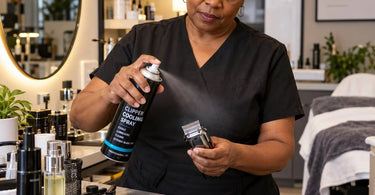
Success is closer than you think... especially when something as simple as a cooling routine keeps your clipper blades ready for the next client instead of turning your workstation into a tiny appliance drama. On a packed salon or barbershop day, clippers may spend hours cycling between fades, tapers, neck cleanups, beard detailing, and finishing work. All of that movement creates friction, and friction creates heat, which is why paying attention to blade temperature is an important part of professional clipper care.
A hot blade is not just an equipment issue. It can interrupt your rhythm, make detailed work less comfortable, and force you to stop at exactly the moment your appointment book says you absolutely do not have time to stop. Building cooling, cleaning, and lubrication into the normal service flow makes those pauses more predictable and helps keep your tools in better working condition.
Why Do Clipper Blades Get Hot During Long Days?
Professional clippers and trimmers rely on rapidly moving metal components. The cutting blade slides back and forth against another blade thousands of times while you work. That metal-on-metal movement naturally creates friction, and the longer the tool runs, the more heat may build.
Hair fragments and other debris around the cutting surfaces can also interfere with smooth movement. Add an appointment schedule filled with back-to-back services, and it is easy to see why a blade that felt perfectly comfortable during your first client may feel much warmer later.
Proper lubrication matters because clipper oil helps reduce friction between moving blade surfaces. Cooling products can help professionals manage temperature during use, while brushing away loose hair helps prevent debris from accumulating. None of these habits needs to become a complicated ceremony. The goal is simply to make blade care part of your normal workstation rhythm.
A Cooling Routine Is More Than Spraying a Hot Blade
The phrase cooling routine can sound like one quick blast from a can whenever the blade gets noticeably hot. In a professional setting, however, a better routine looks at the whole tool maintenance cycle.
That means monitoring blade temperature, removing hair and debris, using appropriate professional blade-care products according to their directions, lubricating as recommended by the clipper manufacturer, and giving equipment appropriate downtime when necessary. Browse Professional Shears, Clippers, & Trimmers for Barbers when building or updating a professional cutting station.
The magic is consistency. Waiting until a blade is practically sending smoke signals is not much of a routine.
Temperature Checks Can Become Automatic
Experienced professionals often develop a natural awareness of how their tools are performing. Blade temperature should be part of that awareness. During a long service, especially one involving extended clipper work, periodically check the blade before it becomes uncomfortably warm.
Different clipper models, blade systems, motor types, cutting techniques, and workloads can generate heat differently, so there is no single universal minute marker that replaces paying attention to the actual tool. Follow the care directions supplied by the manufacturer of your specific clipper, trimmer, blade, cooling product, and lubricant.
One practical habit is to incorporate a quick blade check whenever you change guards, switch sections of the haircut, reposition the client, or clean loose hair from your station. Tying maintenance to something you already do makes the routine easier to remember.
Brush Away Hair Before It Becomes Part of the Problem
Loose clippings can collect around clipper blades surprisingly quickly. A small clipper cleaning brush deserves a permanent place at a busy station because removing loose hair takes seconds.
Brush the blade and surrounding areas as directed for the tool rather than allowing debris to pack into every tiny opening. Your clippers are supposed to cut hair, not build a miniature hair collection inside the housing.
This small step also makes the rest of your maintenance routine easier. Cooling and lubrication work best as parts of a complete care process, not as substitutes for removing visible buildup.
Cooling Products Have a Specific Job
Professional clipper cooling sprays are designed for use around clipper and trimmer maintenance, although product functions vary. Depending on the formula, a professional blade product may be intended to cool, clean, lubricate, protect, or perform several of those functions.
Always read the individual product label. A multi-purpose spray may provide light lubrication, for example, but that does not automatically mean it replaces the dedicated blade oil recommended by your clipper manufacturer. Similarly, never assume every cleaner, disinfectant, lubricant, or cooling spray is interchangeable.
Keeping the right products organized within reach can make good maintenance much easier during a packed day. If the cooling spray lives three rooms away behind a tower of towels and a forgotten holiday display, nobody is going to use it consistently.
Blade Oil Is Still a Star Player
Cooling and lubrication are related, but they are not exactly the same job. Proper clipper oil helps reduce friction between moving blade surfaces. Less unnecessary friction can help blades operate more smoothly and may reduce excessive heat and wear.
Use the lubricant recommended for your equipment and follow the manufacturer's application instructions. More oil is not automatically better. Proper placement and frequency matter, and excess product should be handled according to the instructions for the tool.
On an especially busy day, it is easy to tell yourself you will oil everything later. Later has an annoying habit of becoming closing time, when everyone is tired and suddenly discovering eight other things that also needed to happen later. Keeping blade oil directly at the workstation makes routine care far more realistic.
Consider Rotating Clippers or Blade Sets
Professionals with extremely clipper-heavy schedules may benefit from having more than one appropriate tool or compatible blade option available. Rotation can give one piece of equipment a break while another handles part of the workload.
This does not mean every barber needs a drawer containing seventeen nearly identical clippers, although tool collectors may already be nervously avoiding eye contact. It simply means having enough dependable equipment to match your service volume.
Explore Professional Hair Salon & Barber Shop Supplies for workstation essentials, or Professional Salon Equipment for Top Stylists and Barbers when upgrading a busy professional setup.
Do Not Confuse Cooling With Disinfection
One of the most important distinctions in professional tool care is that cooling a blade and properly disinfecting equipment are not automatically the same process. Some professional products may perform multiple functions, but you should rely on the product label and applicable salon or barbershop sanitation requirements rather than assuming one quick spray handles everything.
Hair should be removed from tools as appropriate before sanitation steps are completed, and professionals should follow the directions and required contact times for the products they use. Shop Professional Cleaners & Disinfectants for Salons and Spas when stocking your sanitation area.
In other words, your blade cooling routine should fit alongside your sanitation routine, not secretly replace it while hoping nobody notices.
Create a Simple Between-Client Workflow
A repeatable routine is easier for the entire team to follow. Your exact process should match manufacturer directions, local requirements, and the products used in your establishment, but the workstation flow can still be simple.
Start by turning off or unplugging equipment whenever required for the maintenance step being performed. Remove visible hair and debris with the proper brush or cleaning method. Address blade temperature using an appropriate professional cooling product or by allowing equipment to cool as directed. Complete required cleaning and disinfection procedures. Apply blade oil according to manufacturer instructions, wipe away excess where instructed, and prepare the tool for the next service.
That sounds like several steps written out, but once incorporated into the workday it can become almost automatic. The best systems are usually the ones people can repeat without needing a laminated flowchart the size of a shampoo menu.
Keep Maintenance Supplies Where Clippers Are Used
Salon organization influences tool maintenance more than many owners realize. If every essential has a designated place, professionals can complete maintenance without leaving the client area searching for supplies.
A well-planned clipper station might include a cleaning brush, manufacturer-appropriate blade oil, approved cooling products, required sanitation supplies, clean towels or wipes where appropriate, guards, replacement or alternate blades, and a safe place for equipment to rest between uses.
For broader workstation organization, explore Must-Have Supplies for Salon & Spa Business Success. The goal is not to cram every possible product onto the counter. It is to keep frequently used essentials close enough that maintenance actually happens.
Watch for More Than Just Heat
Temperature is one clue about clipper performance, but professionals should also pay attention to changes in sound, vibration, cutting efficiency, blade movement, snagging, pulling, visible wear, or other unusual behavior.
A tool that suddenly performs differently deserves attention. Cleaning and lubrication may resolve routine issues, but damaged, worn, misaligned, or malfunctioning components may require replacement or professional servicing. Continuing to push questionable equipment through another ten appointments is rarely an elegant maintenance strategy.
Replacement items can be explored through Bulbs & Replacement Parts for Spa and Salon Equipment or by searching specifically for the manufacturer and model you use.
Make the Routine a Team Standard
If multiple professionals share a station, suite, or shop, equipment care becomes much easier when expectations are consistent. Agree on where supplies belong, who replaces empty products, how shared tools are maintained, and what should happen if a clipper or blade seems unusually hot or begins performing poorly.
New team members should learn the maintenance process for the actual equipment used in the shop instead of relying on whatever routine they happened to use somewhere else. Manufacturers can differ in their recommendations, and habits that work for one tool should not automatically be transferred to every other model.
A well-stocked professional environment also makes consistency easier. Pure Spa Direct distributes professional supplies for salons, spas, barbers, and beauty businesses, so teams can organize maintenance products alongside the rest of their working inventory rather than treating them as last-minute extras.
Cooling Routines Protect the Flow of a Busy Day
There is something deeply satisfying about reaching the afternoon rush and having every tool at the station working the way it should. No frantic rummaging. No mysterious blade that suddenly feels too warm. No dramatic announcement that somebody used the last drop of clipper oil three days ago and apparently told no one.
A good cooling routine supports that kind of day. By monitoring blade temperature, removing debris, using appropriate cooling products, lubricating correctly, following sanitation procedures, and maintaining equipment according to manufacturer instructions, salon and barber professionals can create a more organized approach to clipper care.
Browse Professional Shears, Clippers, & Trimmers for Barbers, clipper blade care, and other professional barber essentials to build a maintenance setup that is ready for long service days. Your clippers already have enough work to do. Asking them to spend the entire day running hot and neglected is just rude.
