
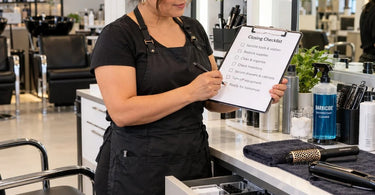
Top products, top results... but even the most beautifully stocked salon or spa can start tomorrow on the wrong foot if tonight ends with a rushed closing routine. Switching off the lights, shutting down the professional wax warmers, and locking the front door might feel like mission accomplished, but there is more to a successful closing checklist than making sure nothing is glowing, humming, or heating. The best salon and spa closing procedures protect your equipment, preserve your products, support sanitation standards, and give tomorrow's team a head start. After all, nobody wants to open the salon at 8 a.m. and discover that yesterday's closing crew left behind a mystery bowl, three damp towels, and a wax station that looks like it survived a small natural disaster.
A thorough closing checklist is not about making employees stay late to polish things that are already sparkling. It is about creating a practical, repeatable system that keeps your beauty business organized, safe, efficient, and ready for clients. Whether you operate a busy hair salon, intimate facial studio, bustling nail salon, waxing boutique, massage practice, or full-service spa, the final minutes of the workday can have a surprisingly big influence on the next one.
Why Turning Everything Off Is Only the Beginning
Turning off equipment is important. Nobody is suggesting leaving the hot towel cabinet running for company overnight. But a professional closing routine should accomplish several objectives beyond equipment shutdown: complete necessary cleaning and disinfection, protect supplies, identify maintenance concerns, prepare treatment areas, manage waste and laundry, secure the business, and communicate anything the next shift needs to know.
Think of closing as the final stage of the day's service cycle rather than an unrelated chore. A facial treatment is not finished simply because the client leaves the room. The room still needs to be cleaned, appropriate reusable implements must be processed, disposables must be discarded, and products must be returned to proper storage. The same principle applies to the entire business at closing.
When closing responsibilities are clearly defined, employees spend less time guessing what someone else already handled. And when tomorrow's opening team arrives, they can focus on clients instead of conducting an archaeological investigation into yesterday's mess.
1. Clean and Disinfect Before Calling It a Night
A spotless-looking salon is not necessarily a properly cleaned and disinfected salon. Hair clippings, product residue, makeup, oils, and dust can accumulate on work surfaces throughout the day. These materials should be removed as part of routine cleaning before appropriate disinfection procedures are completed.
Professional facilities should use suitable Professional Cleaners & Disinfectants for Salons and Spas according to product labeling, equipment instructions, and applicable state regulations. Disinfectants require the correct dilution, approved surface compatibility, and specified contact time. A quick spritz followed by an immediate wipe is not automatically an effective disinfection procedure.
Your closing checklist should verify that the following areas have received their required cleaning and disinfection:
- Treatment beds, facial carts, and frequently touched surfaces.
- Manicure tables, nail tools, and shared workstation equipment.
- Waxing stations, counters, and reusable implements.
- Shampoo bowls, barber stations, and styling chairs.
- Reception counters, door handles, and restroom touchpoints.
- Pedicure basins and associated components according to the required procedures.
Remember that tools requiring disinfection should generally be processed after each client, not left in a growing end-of-day pile. Closing is the time to verify that required procedures were completed and that clean items are properly stored.
Keep appropriate Protective Gloves & Masks and Professional Cotton, Sponges, and Wipes available so cleaning tasks are not delayed because someone used the last pair of gloves during the afternoon rush.
2. Check Equipment Condition, Not Just Power Switches
Professional beauty equipment deserves more attention than an enthusiastic flip of the OFF switch. Equipment that appears to be working normally during a busy appointment schedule may develop small problems that are easier to notice when the room is quiet.
Consider your Facial Steamers, Towel Steamers, Massage Table Warmers, nail lamps, clippers, and other electrical equipment. Each has specific operating, cleaning, cooling, and storage requirements.
A useful closing checklist might include confirming that equipment has been shut down according to manufacturer instructions, checking for visible cord damage, inspecting for leaks or unusual residue, verifying that removable components are clean, and documenting anything needing repair.
Equipment that requires cooling should be allowed to cool safely before handling or storage. Water reservoirs should be emptied or maintained when the manufacturer directs. Devices requiring continuous power for approved functions should not be automatically disconnected simply because the facility is closing.
If a machine develops an unusual noise, damaged cord, overheating issue, or other potential hazard, take it out of service and report the problem rather than leaving the next employee an exciting electrical surprise.
Keeping appropriate Bulbs & Replacement Parts for Spa and Salon Equipment on hand can also make routine maintenance less disruptive, provided repairs are performed by qualified personnel where required.
3. Give Waxing Stations Their Own Closing Checklist
Waxing professionals know that wax has a remarkable talent for traveling. It starts in the warmer and somehow ends up on the workstation, the container exterior, the trolley handle, and occasionally a surface nobody remembers touching.
A dependable waxing room closing checklist should address more than switching off the heater. Inspect the warmer for spills, clean compatible exterior surfaces according to equipment instructions, dispose of used applicators, and place remaining products into appropriate storage.
Organize your Waxing Supplies for Professionals so unopened stock stays protected and ready-to-use items remain separate from used materials. Make sure Professional Wax Spatulas and Applicators, strips, gloves, and pre- and post-treatment products are replenished for the next day's appointments.
Never return used wax or contaminated applicators to clean product containers. Product handling and disposal should follow infection control requirements and manufacturer guidance.
Check the condition of your Professional Wax Warmers for Salons & Spas, including controls, cords, and removable containers where applicable. Follow the manufacturer's directions for shutdown and cleanup rather than attempting to scrape or move a hot unit unsafely.
The reward is a wax room that greets the next technician with organized supplies instead of a sticky scavenger hunt.
4. Make Nail Salon Closing About Sanitation and Readiness
Nail salons have particularly detailed closing needs because several services involve reusable implements, dust-generating procedures, chemical products, and equipment that requires scheduled maintenance.
Begin with required after-client cleaning and disinfection procedures. Before closing, verify that all stations have been properly processed and that clean implements are stored to prevent recontamination. Inspect Nail Tables and Manicure Stations for residual dust, spills, and forgotten supplies.
Organize Professional Gel Polish, acrylic supplies, and other chemicals according to their labels and safety information. Ensure containers are closed, stored away from incompatible materials, and protected from excessive heat or ignition sources as applicable.
For establishments with Pedicure Chairs/Spas, a closing checklist should verify required basin cleaning and disinfection, including any nightly or end-of-day procedures specified by state regulations and equipment manufacturers. Whirlpool systems and other circulating units may require particular attention to internal components.
Inspect dust collection systems, filters, lamps, and ventilation equipment according to their maintenance schedules. Do not substitute a quick surface wipe for required instrument processing or foot spa disinfection procedures.
Finally, replenish essentials such as Nail Files & Buffers, disposable liners where used, cotton products, and appropriate protective equipment. A fully prepared manicure station is a beautiful thing, especially before the first client requests an elaborate design with seventeen tiny rhinestones.
5. Do Not Let Laundry Become Tomorrow's Problem
Towels and linens may seem like a minor closing detail until the morning team discovers that every clean towel has vanished and the laundry hamper is auditioning to become a permanent piece of furniture.
Salon and spa closing procedures should address the collection, handling, laundering, drying, and storage of linens. Used items should be placed in designated containers, kept separate from clean supplies, and processed according to applicable hygiene requirements.
Check that damp towels are not left piled on treatment beds, tucked into cabinets, or abandoned inside equipment. Launder and dry linens appropriately and store clean inventory in a protected location.
Keep sufficient High-Quality Towels and Salon & Spa Bedding available to support your expected appointment volume. Massage rooms may also require clean covers for bolsters, face cradles, and tables.
Check laundry equipment for completed cycles, and follow appliance and facility safety procedures for shutting it down. Wet laundry left overnight can create odor and reprocessing problems, neither of which belongs on tomorrow's opening agenda.
6. Inventory Checks Can Prevent Morning Panic
A closing checklist is an excellent place to catch low supplies before they become service interruptions. There is a considerable difference between noticing that you have three pairs of disposable gloves remaining at closing and discovering the same situation with a fully booked appointment calendar.
Instead of counting every product every evening, identify a small group of high-turnover essentials and establish minimum stocking levels. These might include:
- Disposable gloves, cotton, wipes, and applicators.
- Wax, strips, and pre- and post-waxing supplies.
- Massage oil, lotion, and single-use table coverings.
- Nail files, polish removal products, and other frequently used disposables.
- Facial sponges, gauze, and skincare consumables.
- Clean towels, linens, and retail packaging materials.
For massage practices, check frequently used Massage Oils, Lotions, and Creams for Therapists. For facial rooms, review supplies from your Advanced Facial Treatment Products for Salons & Spas inventory.
Use a simple restock notation such as adequate, low, or reorder. More detailed counts can be reserved for scheduled inventory sessions.
Pure Spa Direct serves as a wholesale distributor for professional salons, spas, and beauty businesses, offering a broad range of supplies that can help operators consolidate routine purchasing needs. Having a dependable restocking process is often more effective than waiting until a critical item runs out.
7. Check Product Storage and Chemical Safety
Product storage is easy to overlook during a hectic closing shift. Yet improperly closed bottles, unsecured chemicals, and products left in unsuitable conditions can create unnecessary risks and waste.
Make a final walkthrough of storage areas, mixing stations, and treatment rooms. Verify that containers are properly labeled and closed, and that materials are stored according to the manufacturer's directions and applicable safety requirements.
Hair color, lighteners, nail chemicals, cleaning products, and other professional formulations may have specific temperature, ventilation, separation, and handling needs. Never mix cleaning chemicals or transfer hazardous products into unlabeled containers.
Organized Bottles & Jars can support daily operations when they are appropriate for the contents and labeled as required. Original packaging should be retained when necessary for safe handling and identification.
Check expiration dates during regular inventory inspections and flag damaged packaging or questionable products for review.
A closing team should not have to become amateur chemists. Their job is to recognize concerns, maintain appropriate storage conditions, and report anything unusual.
8. Make Tomorrow's Treatment Rooms Look Ready Before Tomorrow Arrives
One of the easiest ways to improve the next morning is to establish a consistent room reset procedure.
After cleaning and completing required disinfection, arrange supplies in their designated locations. Replace clean table coverings, prepare appropriate linens, empty waste containers when necessary, and ensure equipment is positioned safely for the next service.
Massage therapists may check Massage Bolsters, table accessories, and the availability of clean linens. Estheticians can organize brushes, bowls, approved skincare products, and properly processed implements. Hair professionals can reset styling stations and confirm that clean tools are stored correctly.
Prepared does not mean leaving every product opened and waiting on the counter. Supplies should remain protected, sanitary, and appropriately stored until needed.
The objective is simple: tomorrow's service provider should enter a room that feels ready, not a room that immediately presents a to-do list.
9. Reception, Retail, and Restrooms Need Attention Too
It is surprisingly easy to concentrate on treatment rooms while overlooking the areas clients notice first.
The reception desk, waiting area, restrooms, and retail displays all deserve a place on the closing checklist. These spaces contribute to the overall impression of professionalism, cleanliness, and organization.
At reception, close out transactions, secure sensitive client information, follow payment handling procedures, and document unresolved scheduling matters. Check that appointment reminders or scheduling tasks are handled according to your business process.
In retail areas, return products to their correct locations, remove damaged display materials, and identify low stock. Review supplies from your Must-Have Spa Retail Products for Enhanced Client Experience assortment when preparing replenishment orders.
Restrooms should be cleaned according to the facility's established schedule, with soap, paper products, and waste containers checked before closing.
And yes, straighten the waiting room magazines or brochures if you still have them. An orderly reception area makes a much better first impression than yesterday's abandoned coffee cup and a decorative pillow having an identity crisis.
10. Finish With a Real Safety and Security Walkthrough
The final closing walkthrough should happen after cleaning, equipment shutdown, and room preparation are complete.
Assign a responsible employee to verify that doors and windows are secured, alarms are activated as applicable, and any required access controls are functioning. Review water fixtures for unexpected running water or leaks, and look for unusual odors, spills, blocked exits, or other safety concerns.
Confirm that heat-generating equipment has been handled according to manufacturer instructions and applicable fire safety procedures. Keep emergency exits, electrical panels, and fire protection equipment accessible.
Any equipment issue or building concern that cannot be resolved safely should be documented and escalated to the appropriate manager or service provider.
Most importantly, closing checklists should never encourage employees to disable necessary safety systems, ventilation, refrigeration, security equipment, or other devices that require continuous operation.
A thorough safety walkthrough should be consistent and manageable. It should not depend on whoever happens to remember the most things after a nine-hour shift.
11. Create a Closing Communication Log
Even a beautifully organized checklist cannot solve every problem. Sometimes equipment needs repair, a shipment is delayed, a client requests a follow-up, or a frequently used product unexpectedly runs low.
That is where a simple communication log becomes valuable.
Before leaving, employees can record important information such as equipment requiring maintenance, restock priorities, incomplete tasks, unusual incidents, client scheduling issues, and service-specific preparation needs.
Keep sensitive client information within approved business systems rather than writing confidential details on an unsecured note at reception.
A useful entry is specific and actionable. For example, facial steamer in Room 2 is out of service and manager notified is much more helpful than steamer weird.
When responsibilities are clear, opening employees can address outstanding issues quickly rather than trying to reconstruct the previous evening through guesswork and frantic group messages.
12. Build a Closing Checklist That Employees Will Actually Use
The biggest mistake businesses make with closing checklists is creating something so complicated that nobody can realistically complete it.
A practical salon or spa closing checklist should have clear categories, assigned responsibilities, and tasks that can be verified. Consider organizing it around five core sections:
- Sanitation: Confirm that scheduled cleaning, disinfection, tool processing, and waste handling are complete.
- Equipment: Follow shutdown and maintenance procedures, inspect for visible concerns, and report problems.
- Supplies: Return products to proper storage, identify low inventory, and prepare approved supplies for the next day.
- Readiness: Reset treatment rooms, check linens, organize reception, and complete administrative tasks.
- Security: Complete the final building walkthrough, secure access points, and activate required systems.
Assign the appropriate tasks to specific roles rather than expecting every employee to handle everything. A nail technician might verify station disinfection and product storage, while a front desk lead completes appointment reconciliation and security tasks. A manager or designated closer can perform the final verification.
Use paper checklists, laminated station sheets, or digital task management tools according to your team's preferences. The format matters less than consistency and accountability.
For facilities with multiple service types, create a shared master checklist and shorter department-specific sections. Your massage therapist probably does not need to inspect every nail polish bottle, and your hairstylist should not be responsible for guessing whether the facial steamer reservoir requires draining.
13. Avoid the Closing Checklist Mistakes That Waste Time
Some closing routines become inefficient because they are poorly organized rather than genuinely thorough.
One common mistake is leaving every cleaning task until the last appointment ends. Required between-client procedures must already be performed as services conclude. Additional non-disruptive tasks can be completed throughout the day so employees are not facing an enormous workload at closing.
Another mistake is assigning tasks without identifying the person responsible for checking completion. When everyone assumes someone else handled something, the task can disappear into the mysterious land of not my department.
Overly vague instructions are equally problematic. Clean room is less useful than specific directions identifying the surfaces, equipment, supplies, and documentation involved.
Finally, do not use a checklist as a substitute for training. Employees need to understand safe equipment operation, sanitation procedures, chemical handling, and the facility's relevant regulatory requirements before they can consistently perform closing responsibilities.
Review checklists periodically as services, equipment, staff assignments, and regulations change.
14. Measure Whether Your Closing Routine Is Working
A checklist is most useful when it produces visible operational improvements.
Consider tracking a few simple indicators: how often opening employees encounter missing supplies, the number of unresolved equipment problems, repeated cleaning deficiencies, delayed first appointments, and the average time required to prepare treatment areas each morning.
If the same issue appears repeatedly, adjust the process rather than simply reminding staff to try harder. Perhaps a supply cabinet needs better organization, the responsibility for laundry needs clarification, or a frequently used product should have a higher reorder threshold.
Ask employees which closing tasks cause confusion or unnecessary delays. Their feedback can reveal practical improvements that management may not notice.
Over time, a well-designed process can reduce last-minute scrambling and make the transition between shifts more predictable. The goal is a checklist that helps people perform their work confidently, not another piece of paperwork that exists solely to collect checkmarks.
The Best Closing Checklist Makes Tomorrow Easier
A truly effective salon and spa closing routine does more than shut down equipment and lock the doors. It supports sanitation, protects professional supplies, identifies maintenance concerns, prepares treatment spaces, strengthens communication, and promotes a safer working environment.
It also makes the entire business feel more organized. When the next team arrives to find clean stations, properly stored products, prepared linens, and clearly documented priorities, they can devote more attention to delivering excellent service.
Maintaining a reliable inventory of Spa Essentials for Professionals, Professional Cleaners & Disinfectants, and Must-Have Supplies for Salon & Spa Business Success can help support those daily operations. Pure Spa Direct offers professional beauty and wellness supplies from a variety of manufacturers, giving salon and spa operators convenient options for maintaining their working inventory.
Ultimately, a good closing checklist is a small investment in tomorrow's success. Because there is something deeply satisfying about turning the key in the morning, walking into a beautifully prepared workspace, and realizing the only thing waiting for you is your first client. Preferably with coffee already in hand.
